


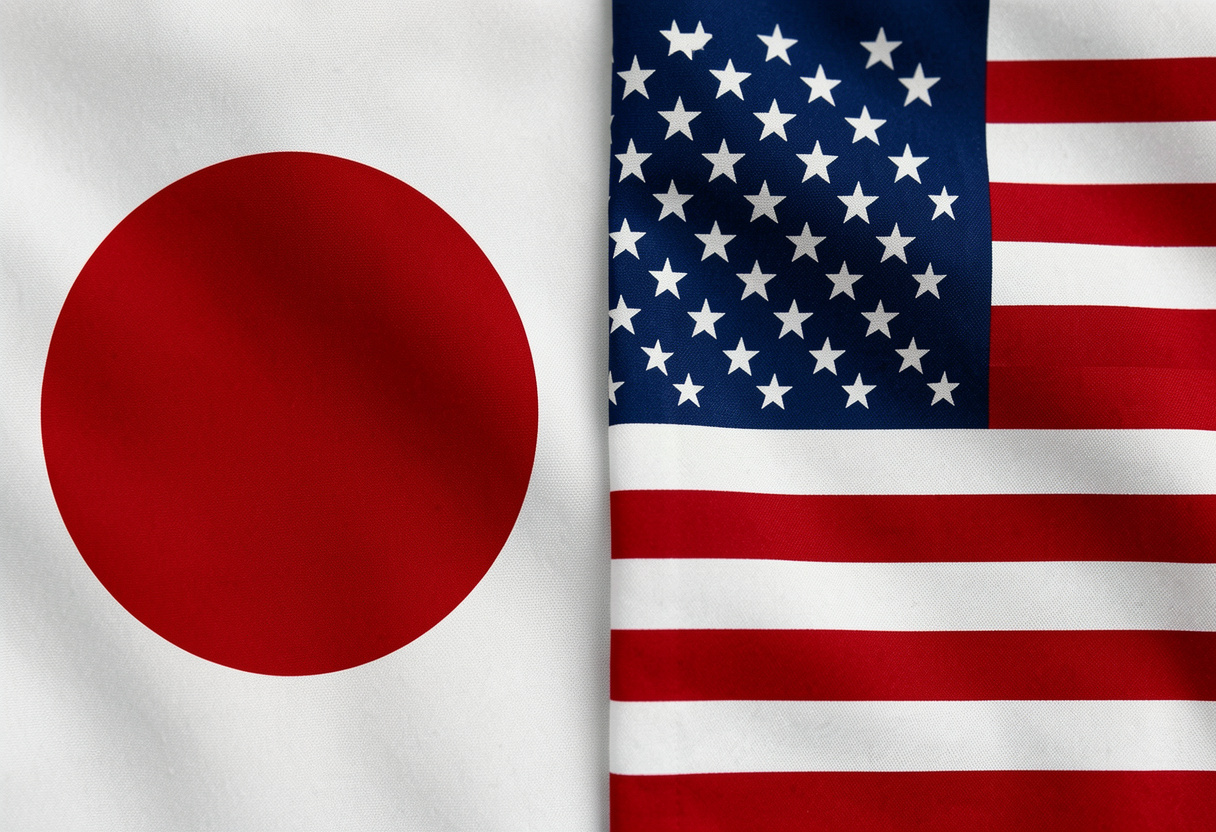
- The US dollar's broad strength, driven by hotter American inflation and hawkish Federal Reserve comments, is pushing USD/JPY back towards the 160.00 mark, even after earlier Japanese rate hikes
- This week, Japanese GDP and inflation data, along with U.S. releases and Fed comments, will shape expectations for a Bank of Japan hike and affect the interest-rate differential that drives the currency pair
- The yen could see some near-term strength from growing chances of a December Bank of Japan rate hike and believable intervention threats. However, the ongoing US-Japan yield gap still holds back any lasting recovery.
- 1¥160.00 Resistance ceilingMajor psychological point and technical hurdle that previously triggered intervention.
TradingView Lightweight Charts™ · Yahoo Finance data
USD/JPY is once again nearing a level traders keep a close eye on. The pair briefly climbed above 160 on November 12th and 13th, finishing the week just below it. Currency traders are understandably a bit nervous.
This marks the third time this year the yen has fallen to 160, each instance drawing a warning from Tokyo. So, the real question is if this level can still halt the dollar’s ascent.
Have Fundamentals Shifted Against the 160 Ceiling?
The broader economic situation has swung back to favor the U.S. dollar, severely pressuring Tokyo’s efforts to defend the yen.
Earlier this year, the Bank of Japan (BoJ) hiked interest rates more quickly than at any point since 1990, pushing their policy rate to 1.25% to narrow the interest rate difference with the United States. Tokyo’s actions since then speak volumes.
This spring, the ministry spent ¥6.28 trillion on April 30th alone, with total intervention reaching ¥11.7 trillion. Yet within roughly six weeks, the pair had already climbed back above 160.
Normally, tighter monetary policy from Japan would help stabilize the yen. That effect, however, appears to be fading.
This recent push towards 160 largely stems from a strengthening dollar across the board, rather than significant independent weakness in the yen. Previous attempts to boost the yen offered only temporary reprieve, and the persistent interest rate gap between the U.S. and Japan keeps favoring the dollar.

Carry trades, where investors borrow in yen to put money into higher-yielding dollar assets, remain attractive as long as this interest rate difference persists.
Meanwhile, the BoJ practically declared victory over deflation in October. Strong GDP growth and persistent inflation likely means another 0.25% rate hike is coming in December. But since everyone already expects that hike, it probably won’t give the yen much of a lift.
What to Watch This Week
Finance Minister Satsuki Katayama warned against quick, one-sided price swings, adding that Tokyo would collaborate with the US Treasury. Vice Minister Atsushi Mimura reminded everyone it was too soon to forget the summer’s intervention. A shift from mere warning words to decisive action would certainly be a big deal.
Japanese economic data released this week will heavily shape expectations for BoJ rate hikes. If inflation there comes in hotter than anticipated or GDP growth stays strong, that would back another BoJ hike and give the yen some natural strength.
In the US, new inflation reports, retail sales figures, or comments from Federal Reserve officials could all impact Treasury yields and the dollar’s strength. Should the Fed sound more hawkish, the interest rate gap would widen again, increasing pressure on the yen. Conversely, weaker US data might ease that pressure, allowing the yen to bounce back.
Does the Yen Have a Near-Term Source of Strength?
History suggests intervention alone rarely reverses a major economic trend. We saw this when USD/JPY climbed back toward 160 only three months after Tokyo stepped in last summer. For the yen to find lasting strength soon, it needs genuine economic drivers, not just central bank action.
Relief probably won’t come until the BoJ clearly signals another rate hike is on the way. That will need to happen alongside U.S economic data that cools the Federal Reserve’s hawkish stance. For now, the pair remains in a tense balance.
The 160 level matters a lot because it’s both a major psychological point and a technical hurdle. It’s led to Japanese intervention in the past, and if it breaks, that often means authorities are more likely to step in and buy yen.
USD/JPY is moving back toward 160, and it’s not just because the yen is weak domestically. Instead, it’s mostly due to the U.S dollar’s broad strength, driven by American inflation data coming in hotter than expected and some firm comments from the Federal Reserve.
The yen might get stronger pretty quickly if we see clearer indications of the Bank of Japan tightening its policy. Weaker US economic data, which would then bring down Treasury yields, or direct action by Japanese authorities would also give the currency a lift.
What is your outlook on USD/JPY?
Anonymous · no sign-up · results from the last 30 days · not investment advice