


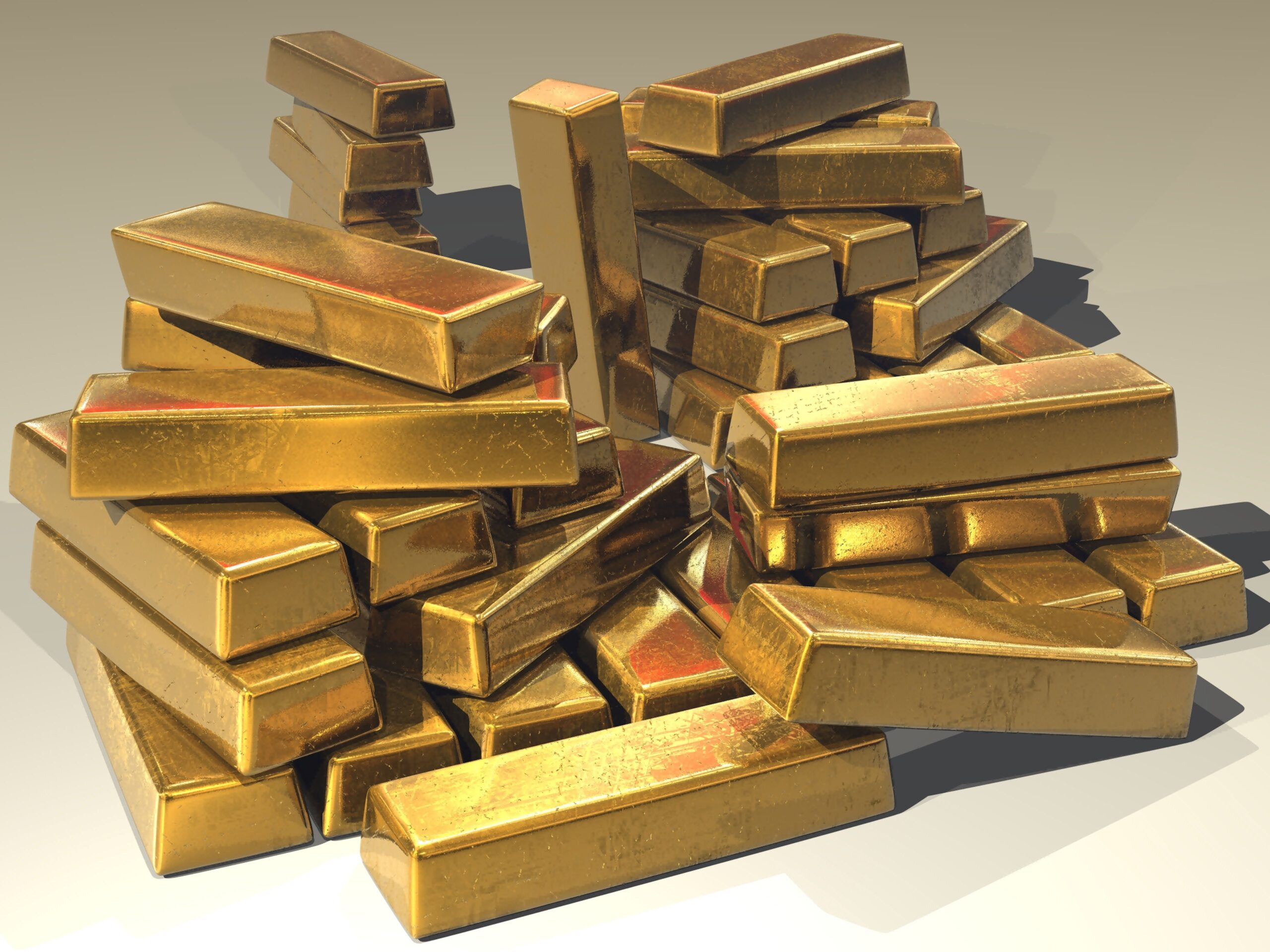
- Gold exposure ranges from physical bullion to ETFs, futures and mining shares.
- Rates, the dollar and risk sentiment can move gold in opposite directions.
- Understand leverage, costs and expiry before trading commodities.
InvestingCube chart · Yahoo Finance data
Gold and Commodities: How to Invest and Trade
Gold has recently experienced fluctuations that demonstrate the challenges of investing in commodities for investors who are experienced. Expectations of the Federal Reserve raising interest rates caused gold to decline significantly, and at one point, gold was trading at levels it had not been at since early 2017. When equity markets declined, there was a resurgence of safe-haven buying. The battle among yield, the dollar, inflation, and risk appetite continues to affect the market. This article will help you understand what commodity trading entails, how to invest in gold and the other alternatives available to investors who wish to diversify away from bullion.
What Is Commodity Trading?
Commodity trading is the purchase and sale of commodities, i.e., basic goods and materials, for example, gold, silver, oil, natural gas, wheat, copper, etc., that are used to make other goods and services. The price of commodities will fluctuate due to changes in supply and demand, weather conditions, production levels, transportation issues, exchange rate movements and changes in government policies regarding economics. Traders can use their knowledge of commodity trading to buy/sell commodities for short-term gains, while investors can use commodity investments as a way to diversify their investment portfolios and/or protect themselves against certain risks.
There is a big difference. Buying a real thing (like gold) is different than buying a contract based on how much it costs. Contracts have expiration dates, cost money to keep open, and may use borrowed money. Learn about the product before you buy it. You cannot tell everything about what happened in the market just by looking at a price graph.
Recent news coverage of the markets demonstrates how fast macro-economic shifts can change the way commodities look.
The gold forecast for 2026 discusses rate expectations and dollar pressure. A recent gold technical analysis also explains why trend, support, resistance and risk controls matter.
How to Invest in Gold: Physical Gold, ETFs, and Mining Stocks
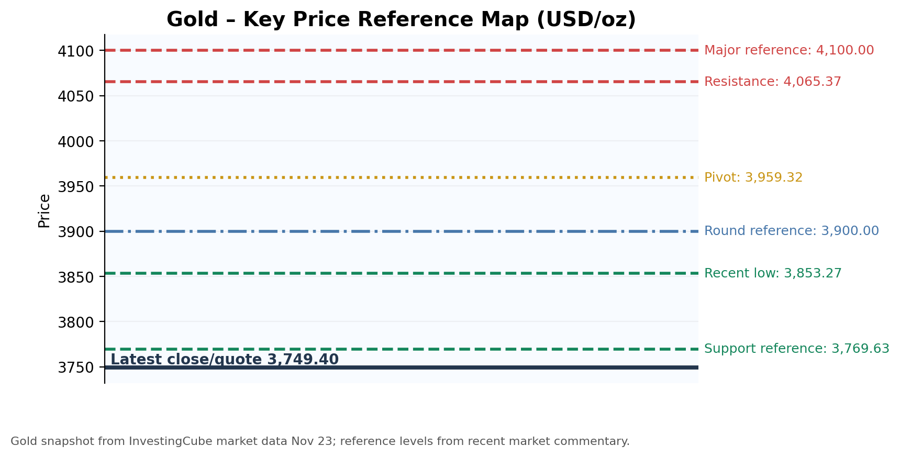
Gold has long been used as a store of value. It offers diversification to your portfolio; however, the cost of gold may drop for a prolonged period of time. When there are higher real interest rates, you might find that interest-bearing investments become more appealing. As well, when the U.S. Dollar strengthens, it may put downward pressure on the price of gold. On the other hand, if there is an increase in geopolitical risk or if equity markets decline, then you will see an increase in the demand for safe-haven investments.
Investors have several ways to gain exposure. Each comes with trade-offs.
| Method | Pros | Cons |
| Physical gold | Tangible asset; no fund issuer | Storage, insurance, dealer spread and purity checks |
| Gold ETF | Easy to buy and sell through brokerage; avoids personal storage | Fees, tracking and market-price risk |
| Futures | Flexible exposure; efficient for active traders | Leverage, expiry and margin risk |
| Mining stocks | Potential company growth and dividends | Company, operational and equity-market risks |
Physical gold may be appropriate for people who want direct control over their assets and are prepared to pay for secure storage. It is important that coins and bars are purchased from reputable dealers. Be sure to check purity, invoice, buyback terms and premium charges. Jewellery may not be a good investment as there can be high costs associated with both making charges and resale deductions.
ETFs provide a more straightforward method of following the price of gold. Read the fund’s documentation. Determine if the ETF invests directly in gold (bullion), uses derivative products, or follows another index. Returns may be affected by fee structures and tracking error.
Gold and mining shares are not the same thing. The stock price of a mining company is affected by many factors such as the cost of gold, production costs, debt levels, company leadership, production volume, political risk in the region where the company operates, and general stock market activity. It is possible for gold to increase in value at the same time that the stock price of a mining company decreases.
How to Trade Gold: A Beginner’s Guide
Beginner traders in gold will start by knowing how the prices are driven. Gold prices will be affected by US Treasury yields, the value of the dollar, inflation reports from the government, decisions made by central banks, the flow of money into exchange-traded funds (ETFs), and news related to geopolitical issues. It is possible that a market could increase in price due to risk factors, but then decrease in price as traders require more liquidity or if there is an increase in interest rates.
The use of a chart to develop a strategy. Identify support and resistance. Review trends across multiple timeframes. Indicators like RSI or moving averages may assist, but they do not replace price action. When price closes above resistance, the validity of a bullish signal is enhanced.
Before you enter the market, decide when your trade has gone bad. Decide on a stop loss, determine how much to buy (position size), and don’t risk any money that you will need to pay for everyday living costs. When trading with leverage, it can cause your loss to grow larger than expected. Also, overnight price movements can be substantial. A stop loss may not execute at the exact price when there is a large movement overnight.
A recent gold consolidation analysis shows how traders frame key levels and scenarios around policy events. The important lesson is not to copy a level blindly. Build a plan that fits the product and your risk.
How to Invest in Commodities Beyond Gold
Commodities are affected by a variety of factors. Oil prices are influenced by changes in production, inventory levels, shipping interruptions, and global demand. Natural gas prices are dependent upon weather conditions, storage capacities, and regional availability. Copper prices are influenced by construction activity, manufacturing output, electric grid development, and the transition to renewable energy sources. Agricultural product prices may be affected by crop health, export levels, drought conditions and seasonal influences.
Investing in commodities can be done through a number of methods based upon how much risk you wish to take. There are many different ways that people invest in commodities, but the two main categories of these investments are diversified commodity funds and directly investing in futures or producer stocks. Each of these options has their own risks. Diversified commodity funds often utilize futures to gain exposure to commodities. Due to the cost associated with rolling over contracts, the performance of a fund will often differ from that of the spot price of the commodity. Producer stock investments are subject to company specific risk.
diversification is not about one type of commodity compensating for losses from other types. when there are widespread risk-offs, several different types of assets may move in the same direction. consider what makes that particular type of commodity part of your investment strategy, and maintain the right proportion of that asset class within your overall portfolio.
Commodity Futures Explained
Commodity futures contracts allow you to purchase or sell a specific quantity of a commodity at a predetermined price with a specified time period until the commodity is delivered or settled. Futures contracts are used by producers, consumers, and traders. For example, a farmer can use a futures contract to establish a selling price for his crops. An airline can protect itself against fluctuating fuel prices using a futures contract. A trader can take advantage of price movements in commodities markets with the use of futures contracts.
The use of leverage with futures contracts is common practice. When trading futures, most traders will typically provide some type of “margin” as opposed to paying the total cost of the contract. As a result, traders are exposed to greater risk than they would have been had they paid cash for the entire contract. Even though the price of a future contract might only fluctuate slightly, traders could potentially experience either very large profits or losses. Furthermore, the amount of money required to maintain the initial margin requirements may increase, and if there isn’t enough money available to cover the increased margin requirements, traders could find themselves with their positions closed out.
Contracts can be specified with different expiration dates, in addition to having different specifications. It is important to look at the size of the contract, the settlement rules, how liquid it will be, what kind of margins you need, and what the associated fees are. Futures contracts do not simply replace owning physical gold or shares of stock.
What Is MCX Trading?
MCX is the Multi Commodity Exchange of India. This exchange allows for trading of multiple types of commodity derivatives, such as those related to gold, silver, crude oil, natural gas, and various types of base metals. The contracts on this exchange are priced in Indian Rupees and each contract has a specified lot size, expiration date, and margin requirement determined by the exchange.
Indian traders need to realize that MCX price movements could be due to several variables including global commodity price changes, currency exchange rates (Rupee vs Dollar), domestic demand, tax rates, and other contract-specific variables. Retail jewellery pricing is different from gold futures. Additionally, contract size and margin can create a much bigger position for a new trader than he/she anticipates.
Before you begin to trade, find out what the current contract specifications are for the exchange on which you wish to trade, as well as how much your broker will charge you. Know what the margin rules are, when the contract expires, and how settlement works. At first, observe how prices move rather than buying a contract simply because it seems like it’s cheap.
Frequently Asked Questions About Gold and Commodities
Is gold a good investment when stocks fall?
Gold can provide diversification during market volatility; however, gold does not necessarily increase in value as stock prices decrease. In addition to being able to sell gold to generate cash, an investor may find that rising interest rates (yields) negatively affect the price of gold. The potential for gold to serve as a safe-haven asset depends on many factors within the overall economy.
What moves the price of gold?
There are several factors that affect gold prices. These include real interest rates, the value of the U.S. dollar, inflation expectations, central bank purchases, exchange-traded fund (ETF) flows, geopolitical risk, and liquidity. Each of these drivers may influence gold prices in different ways at any given time.
What is the difference between investing in and trading commodities?
Investing is generally a long-term strategy that incorporates a portfolio. Trading is a short-term approach that utilizes the movement of prices, and utilizes pre-planned entry points and exit points. Although both types of investing carry risk, trading products may provide the ability to use leverage and expire.
Can beginners trade commodity futures?
Beginners can acquire the basic mechanics; however, futures are complicated and have high levels of leverage. It is recommended that you study the contract specifications, margins, expirations, and risk management prior to putting real dollars into the market. A demo account or a period of time to observe the markets can provide you with an opportunity to gain experience.
What is your outlook on Gold?
Anonymous · no sign-up · results from the last 30 days · not investment advice