


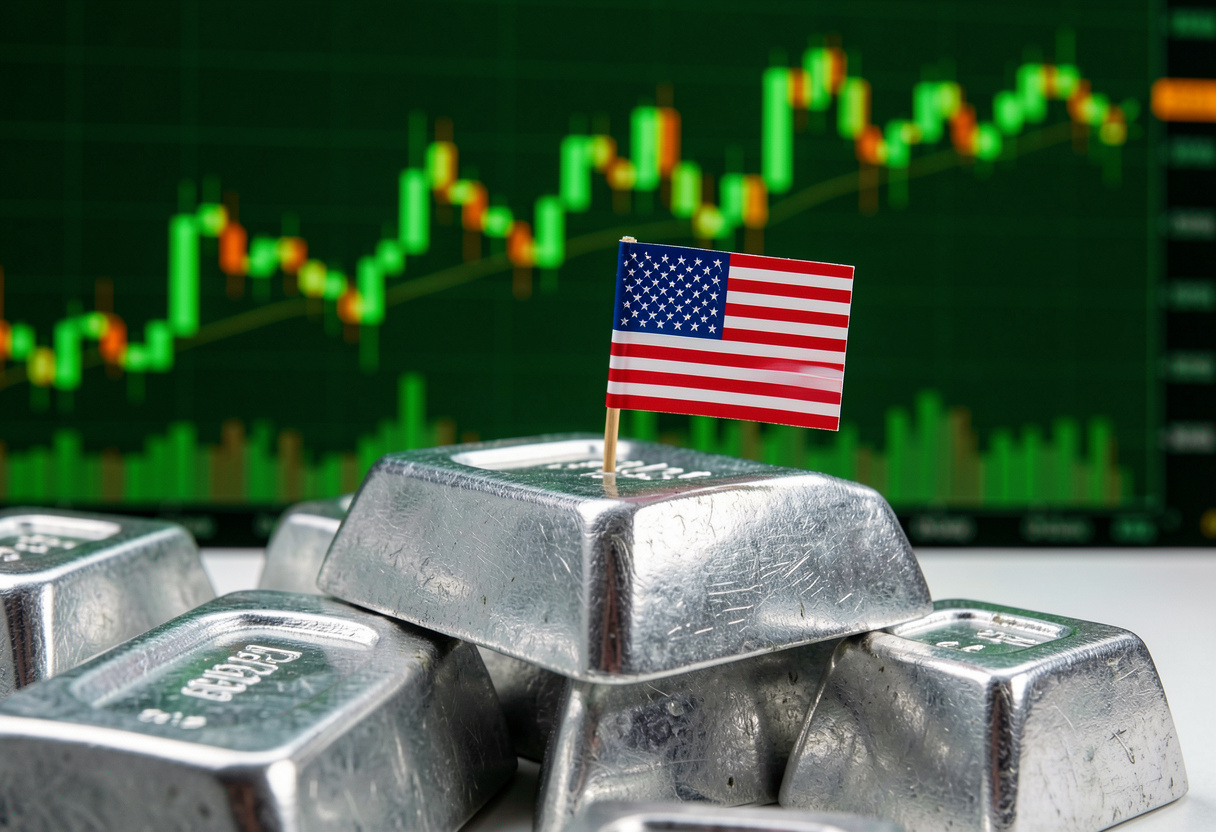
- Silver price registered seven successive gains in the last ten sessions, but has lost more than 10% in just two sessions
- The grey metal has struggled to go above $90 since March
- Geopolitical risks triggered by Iran War have kept interest rates high and pushed Treasury yields up, adding pressure on non-yielding silver
Silver prices have experienced significant fluctuations recently. Following a period of consistent gains, the metal saw a notable downturn, falling about 4.5% in the last session, with additional intraday pressure approaching 6%. As of mid-May 2026, spot prices have hovered around the $80–$86 range following these moves.
For investors, the suddenness of this move is jarring. Why did a ten-session rally evaporate in forty-eight hours, and why does the $90 mark seem to be guarded by an invisible ceiling?
Reasons Behind the Recent Decline
The immediate driver appear of the drop was the hotter-than-expected inflation data, such as the April CPI print coming in at 3.8% on an annual basis, the highest since May 2023 and above analysts forecast 3.7%. That basically dashed hopes for the Federal Reserve cutting interest rates anytime soon, probably pushing those cuts back to September or even later. Plus, with the US dollar getting stronger and Treasury yields going up, assets like silver, which don’t pay interest, just aren’t as appealing right now.
Silver’s industrial component amplifies such reactions. When growth or monetary easing prospects moderate, demand expectations from sectors like solar photovoltaics, electronics, and power infrastructure can weigh on sentiment. Profit-taking after recent gains and broader risk-off moves in commodities have also contributed to the downward pressure.
Challenges in Breaking Above $90
Getting past $90 has been a real challenge for silver. Since early March, it’s gotten close a few times but just couldn’t stay above that level. There are a few reasons for this. Earlier this year, silver actually hit its highest price ever, close to $121, but then it fell pretty hard.
That happened because of changes in money policy and higher margin requirements for futures trading. Every time it’s tried to climb back up since then, it seems to run into more economic problems and people taking their profits.
Analysts note that while fundamentals remain supportive, speculative positioning and leverage in the paper market have led to sharp reversals. The resistance zone between $90 and $94 has repeatedly demonstrated its technical importance, as tests of these levels have frequently resulted in the appearance of bearish formations.

Furthermore, persistent uncertainties surrounding U.S. monetary policy, the longevity of inflation, and the trajectory of global growth continue to impede any definitive upward breakout.
Outlook for the Rest of 2026
Looking ahead, the structural story for silver remains constructive for many observers. The market continues to face multi-year supply deficits. For instance, Silver Institute projects a 67-million-ounce shortfall in 2026 driven by robust industrial demand that mining and recycling have struggled to match.
Consensus forecasts from institutions like J.P. Morgan point to an average price around $81 for the year, though ranges vary widely depending on the scenario.
For silver investors, the Federal Open Market Committee (FOMC) meeting on June 16–17 stands out as the most critical near-term event. A ‘hawkish’ dot plot, indicating no interest rate reductions this year, would likely prolong silver’s current consolidation phase through the third quarter. Conversely, any indication of potential easing by September could certainly pave the way for silver to re-approach $90 and potentially move beyond.
Bullish outlooks cite potential for $100 or higher if industrial momentum accelerates, particularly in green energy and electronics, or if monetary diversification trends strengthen. More cautious views highlight risks from elevated volatility, potential demand slowdowns at high prices, and policy shifts.
April CPI beating forecasts at 3.8% crushed June rate-cut expectations, strengthening the dollar and reversing silver’s prior industrial-demand rally.
Many analysts believe so, provided the global supply deficit persists and the Federal Reserve begins a clear cycle of interest rate cuts.
Persistent structural supply deficits and strong industrial demand from solar, electronics, and infrastructure continue to underpin the longer-term case.