



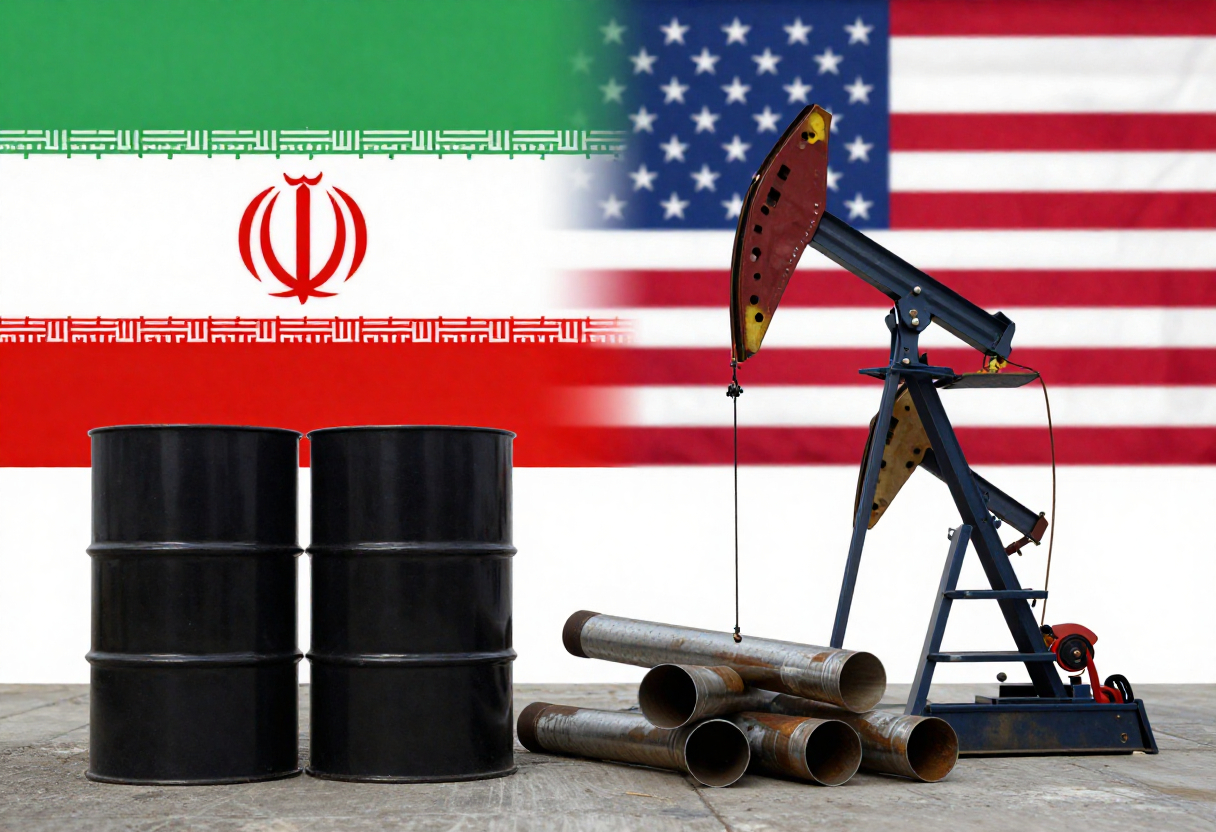
- Petrol prices initially dropped in early April following a two week US-Iran ceasefire
- The outlook has changed after US President Donald Trump rejected Iran's latest proposal and Saudi Aramco CEO forecasted disruption through 2026
- Goldman Sachs has raised its oil price target to $90, while J.P. Morgan Global Research says it could fall to as low as $60
Towards the end of April, a brief sense of optimism emerged. Crude prices softened following the announcement of a temporary ceasefire in the Middle East, leading some analysts to anticipate a return to a more “balanced” market.
Brent crude, which had nearly reached $128 per barrel by April 2, began to pull back towards $90 as a two-week ceasefire between the United States and Iran offered a fleeting moment of market ease. That relief, it turns out, was short-lived.
Petrol Price Outlook Signals Prolonged Pain at the Pump
The mid-to-late April dip was ceasefire-driven. On April 7, a two-week truce was established between the United States and Iran, fostering expectations that commercial shipping through the Strait of Hormuz might progressively resume. However, this period of calm did not last.
Early May saw President Trump toss aside Iran’s newest proposal for peace, labeling it “TOTALLY UNACCEPTABLE.”Meanwhile, drones targeted a shipping boat close to Qatar, while similar threats emerged near the UAE and were intercepted by Kuwait’s defenses. The fragile truce was unravelling, and the market responded immediately. WTI crude climbed back to around $99 per barrel, with Brent settling near $107.67 on May 11. That is roughly $43 higher than a year ago.
Additionally, a significant factor influencing the market was the critical assessment from Saudi Aramco. Its CEO recently highlighted that the market is experiencing a weekly reduction of approximately 100 million barrels in supply, warning that extended disruptions might postpone market normalization until next year.
For everyday drivers, global oil trends translate directly to the price of petrol. In 2026, crude oil costs account for roughly 51% of the final price you pay at the station. With Brent crude currently testing resistance levels above $110, the “cheap fuel” era of 2025 feels like a distant memory.

Analysts’ Outlook for Petrol Prices Through 2026
Views on the remainder of 2026 vary, heavily contingent on conflict resolution. For instance, the EIA forecasts Brent crude potentially reaching a peak near $115 in Q2, with prices possibly softening later in the year. That is under the assumption of a partial normalization of supply flows, though an inherent risk premium would likely remain.
Goldman Sachs has raised its Q4 2026 price targets to $90 per barrel, nearly $30 higher than before the Hormuz blockade. Their analysis posits that the current supply disruption is not just fleeting but rather represents a “prolonged bottleneck.” They caution that a prolonged period of elevated prices might contribute to persistent inflation, potentially influencing central banks to postpone interest rate adjustments.
Conversely, J.P. Morgan Global Research indicates that a reduction in geopolitical tensions could eventually lead to a market surplus, potentially pushing Brent crude prices closer to $60 per barrel by late 2026. This would lead to a significant supply normalization and lower petrol prices. In summary, the market has moved from hope to caution, and the pump price will reflect that shift for some time to come.
A two-week US-Iran ceasefire announced on April 7 eased supply fears and briefly allowed oil prices to retreat toward $90 per barrel.
President Trump’s rejection of Iran’s peace counteroffer, alongside new drone strikes impacting Qatar, and continued significant disruptions in the Strait of Hormuz, were key factors.
Prices could fall if supply normalizes, but firms like Goldman Sachs warn that persistent bottlenecks may keep prices elevated through the fourth quarter.