



- Tesla stock initially declined after releasing its quarterly results in late April, but it has rebounded to break above the psychological $400 level
- The company's earnings beat Wall Street forecasts but outlook for the next three quarters is gloomy, with projected negative cash flow
- Long-term growth is promising, built on commercialisation of Robotaxi, Optimus humanoid robot and growth in energy storage segment
Tesla stock has seen a significant turnaround following a challenging start to 2026, which included a post-earnings decline and concerns about global EV demand. But lately, it’s really picked up speed. In just the last five trading days, the stock jumped over 15%, ending Monday at about $445. Here’s what’s going on:
Good Earnings, Bad News
The interesting part is that Tesla actually did better than expected with its earnings. Its revenue for the first quarter of 2026 was $22.4 billion, which is 16% more than the previous year. And its adjusted earnings per share were $0.41, beating Wall Street’s forecast of $0.35 by 17%. So, why did the stock fall then?
The answer lies in what came after the numbers. CEO Elon Musk opened the earnings call by signaling a substantial increase in capital expenditure. Tesla now plans to spend around $25 billion for 2026, roughly $5 billion above previous guidance.
Then, the CFO, Vaibhav Taneja, confirmed that the company’s free cash flow will be negative for the rest of the year. That kind of news is hard for the market to take, so investors responded by selling the stock. Any little boost the stock got after earnings quickly disappeared.
What Turned the Tide?
Specifically, two key developments appear to have sparked renewed buying interest. The first relates to China. In April, Tesla reported selling 79,478 vehicles from its Shanghai facility, marking a 36% increase year-on-year. This figure carries significant importance, given China’s role as one of Tesla’s most critical markets.
A resurgence in Shanghai production helps to mitigate concerns about a prolonged demand decline and indicates that operational momentum remains stable, even if domestic Chinese sales performance shows variation.
The second catalyst was robotaxi. Tesla announced intentions to expand its robotaxi service into approximately a dozen US states by the close of 2026. This announcement reinforced that the autonomous vehicle program, despite its gradual implementation, continues to be viewed as a credible driver for future growth. For a stock often influenced by its strategic vision, this reassurance provided substantial weight.

Fundamentals Pointing to a Multi-Front Outlook
Tesla’s core automotive business faces a maturing EV market with competitive pressures, yet signs of stabilization exist. Deliveries improved in some regions, with demand picking up noticeably in places like Asia-Pacific, Europe, the Middle East, Africa, and North America. Sales in China, especially, shot up in April, which really boosted investors’ spirits.
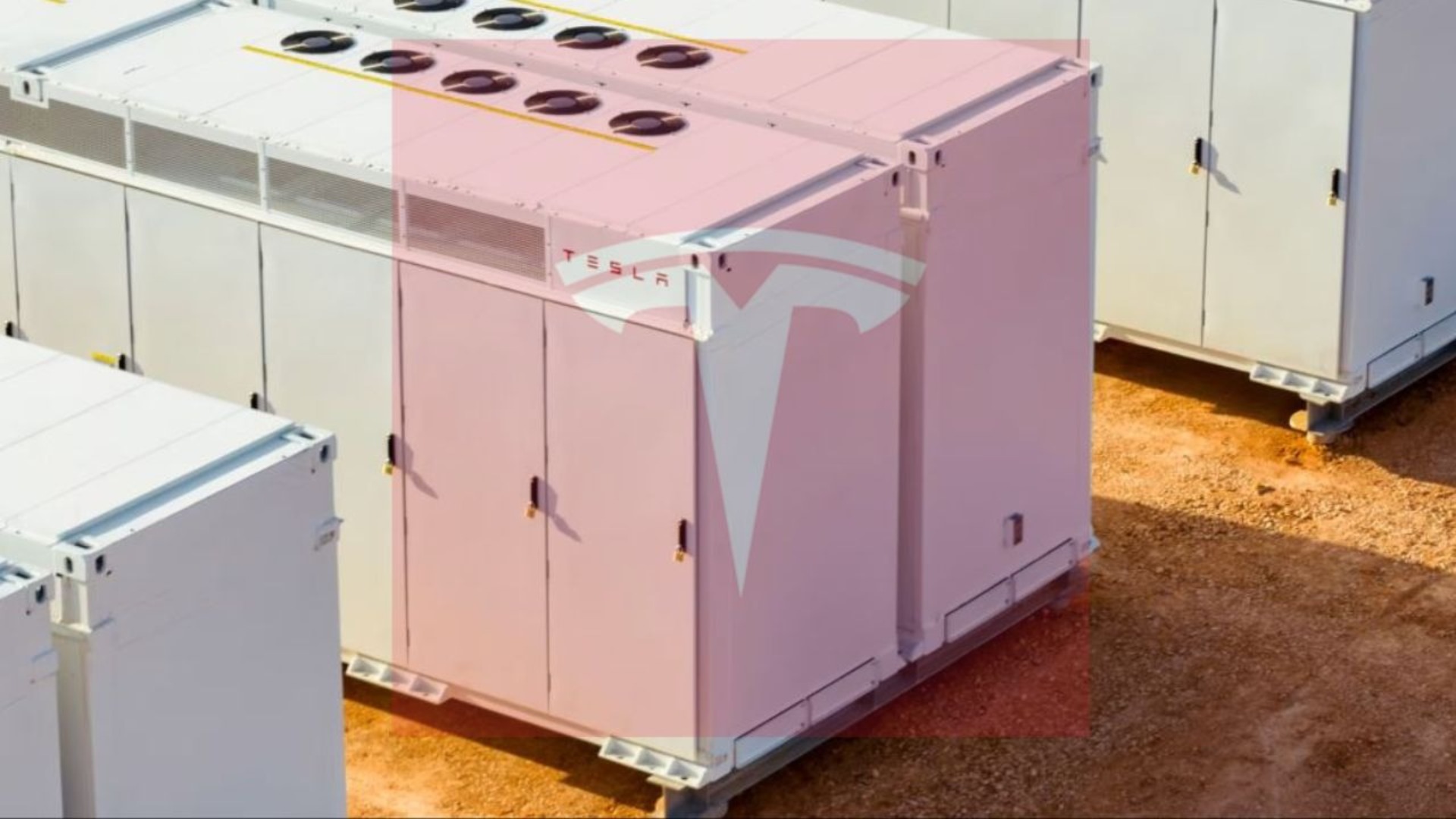
While vehicle deliveries still pay the bills, Tesla’s other fundamentals are becoming impossible to ignore. The Energy Storage business is quietly becoming a monster, having deployed a record 8.8 GWh in Q1 2026. This segment provides high-margin, recurring revenue that acts as a “shock absorber” when automotive margins are under pressure.
Beware of Risk
The primary challenge is valuation. Tesla currently trades at close to 200 times forward earnings. That high number already assumes that their Robotaxi service, Full Self-Driving subscriptions, and the Optimus robot program will all be a big success.
While each of these ideas is real and progressing, none of them are actually bringing in significant money yet. On top of that, experts generally expect the company to have negative free cash flow of about $8.5 billion for 2026, and they don’t see it turning positive until 2028. That’s asking a lot for investors to wait that long.
The rally was driven by record delivery growth in China, progress toward FSD regulatory approval in Europe and Asia, and rising excitement for the August Robotaxi unveiling.
The primary risks include high valuation of 200x P/E, execution delays in the Cybercab/Robotaxi program, and potential margin compression from aggressive EV price wars.
Absolutely. The energy segment deployed 8.8 GWh in Q1 2026, offering higher margins and helping to diversify revenue away from purely automotive sales.