



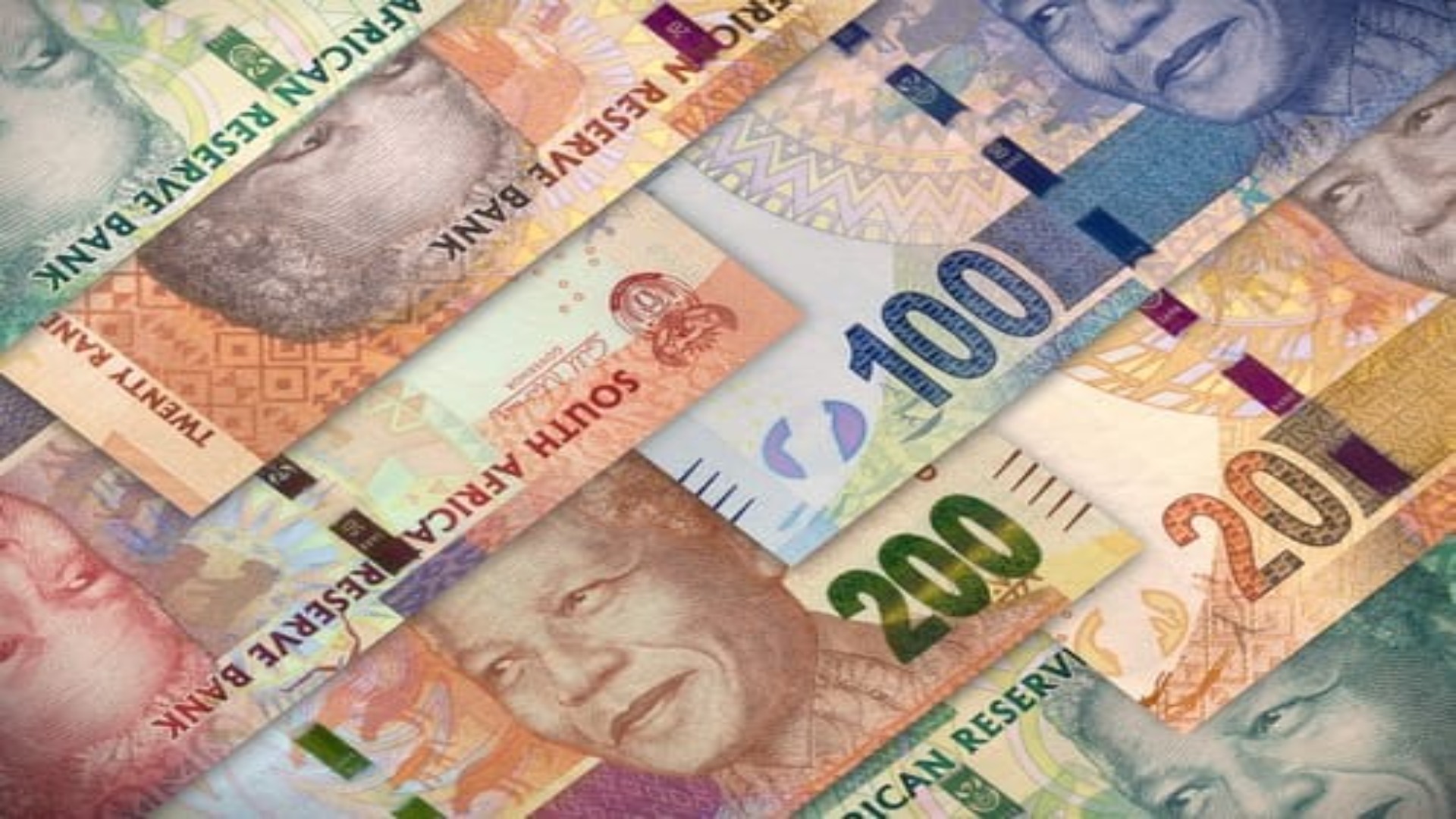
- The South African Reserve Bank just raised its rate by 25 basis points to 7.25%. This move shows a strong commitment to keeping inflation expectations in check, despite the economy shrinking last quarter.
- Ongoing climbs in global crude oil prices and a stronger dollar are still holding back the rand's recovery.
- What happens next for the currency pair will depend on commodity prices, new U.S. economic data, and any signals from the Federal Reserve. It also matters if USD/ZAR can stay below its 16.45 resistance level.
The South African rand strengthened in early trading, recovering from losses in the previous two sessions. The USD/ZAR pair, which briefly exceeded 16.45 earlier this week, is now trading around 16.38-16.39 after failing to maintain that upward movement.
This shift follows the South African Reserve Bank’s (SARB) announcement on Thursday of a 25-basis-point increase to its repo rate, bringing it to 7.25%. So what does this mean for the pair?
The Deeper Message In SARB’s Rate Decision
The Monetary Policy Committee (MPC) unanimously approved the 25-basis-point rate hike, sending a clear message to global markets. This decision shows that controlling inflation expectations is still the main goal, even if it affects short-term economic growth.
SARB Governor Lesetja Kganyago acknowledged that while South Africa’s GDP contracted by 0.2% in the second quarter, global supply disruptions pose a risk of pushing headline inflation above 5% by late 2026. Essentially, the SARB is tightening monetary policy during an economic slowdown. That’s a tough spot for any central bank.
The market had largely expected the 25-basis-point increase, which explains the quiet initial reaction. Instead of a big rand rally, the decision seems to have steadied market sentiment and held back further gains for the US dollar against the rand.
USD/ZAR’s inability to stay above 16.45 suggests sellers are active near recent highs, making this level a short-term resistance zone.
What Does the Near-Term Hold?
For the rand to keep its current strength, USD/ZAR needs to stay under 16.45, and US dollar momentum generally has to ease up. A lasting drop in USD/ZAR would probably need clearer signs of dollar weakness or more good news from the domestic economy.

On the other hand, if it moves clearly back above 16.45, that would suggest the recent interest rate hike wasn’t enough to counter the US dollar’s recent strength.
While the SARB’s rate increase deals with domestic inflation risks, it does little to counter the dollar’s upward pressure. That pressure comes from expected US interest rate hikes and high oil prices, influenced by the conflict in Iran.
Given all this, today’s stronger opening for the rand looks more like a temporary pause in a wider period of consolidation, not the start of a lasting recovery.
For a lasting rebound, we’d probably need a clear weakening of the US dollar, a drop in oil prices, or a confirmed break and hold under the 16.00 level.
The rand recovered today, bouncing back after two days of losses. This followed the South African Reserve Bank’s announcement on Thursday of a 25-basis-point rate increase, bringing it to 7.25%.
This shows the bank’s still very much focused on keeping inflation contained at its 4.4% target. Even with slow growth, the unanimous decision to tighten policy further signals that priority.
It’s a moderate possibility. While a higher rate differential offers some support, the dollar’s continued strength and other outside factors still limit how much the rand can bounce back for good.