


- USD/ZAR entered a three-day losing streak after failing to breach key technical resistance at 16.60, a solid barrier since mid-May
- Persistent weakness in the US dollar cross could push USD/ZAR down toward the 16.20 support zone during upcoming central bank updates
- High domestic interest rates, political stability under a coalition government, and strong precious metal exports have driven the rand's 6% year-to-date gain
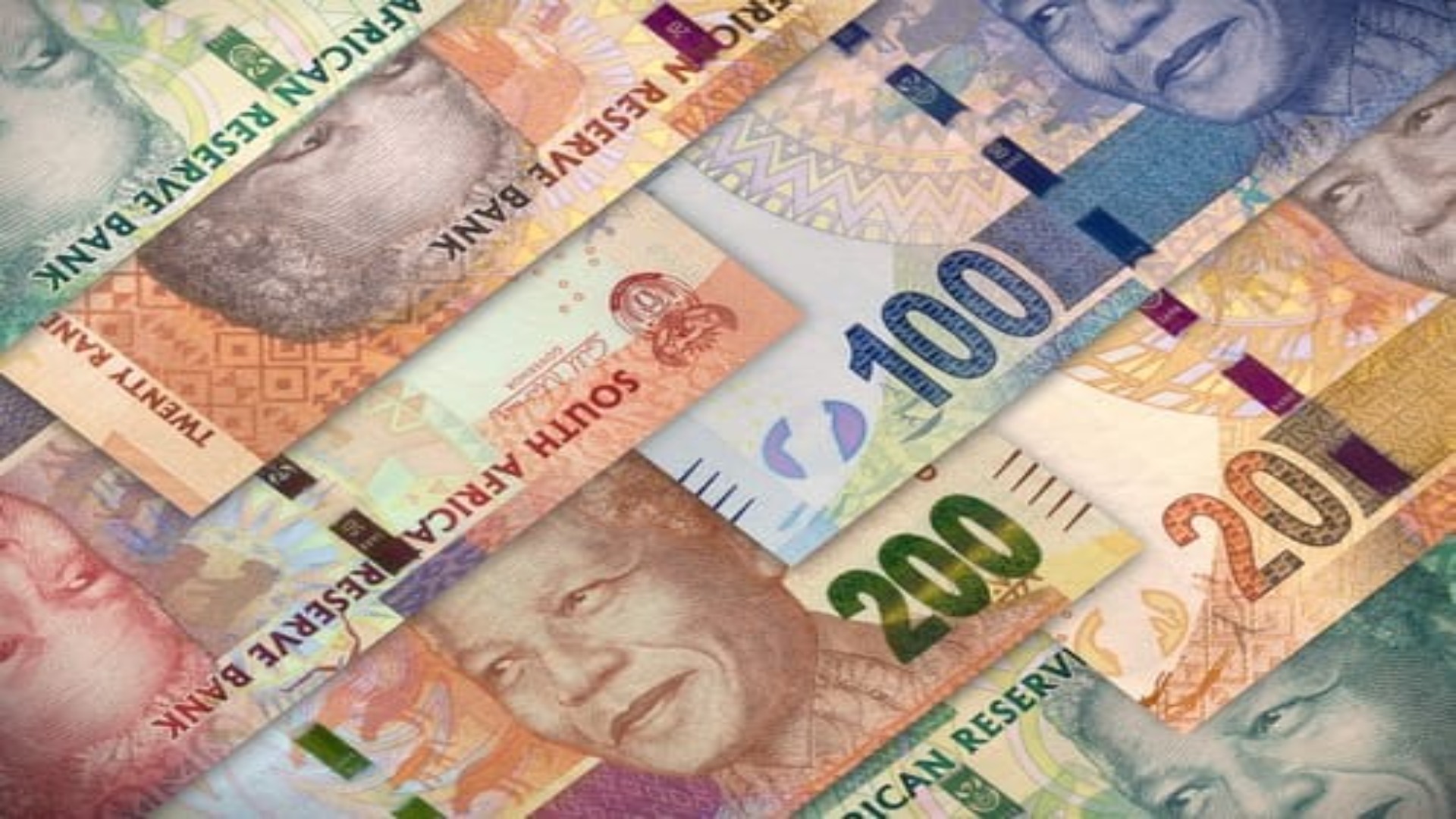
The USD/ZAR currency pair has seen a three-day decline, failing to break through the significant 16.60 resistance level that has been in place since mid-May. This is occurring even as the US dollar shows general strength against other major currencies, indicating a notable resilience from the South African rand. The rand’s performance has contributed to a year-to-date depreciation of the USD/ZAR pair by over 6%.
This dynamic invites closer examination of the underlying forces at play. What is driving the pair’s current momentum, and what broader signals does it convey about the economies involved? Looking ahead, investors must consider both near-term and medium-term prospects to inform their positioning.
What Is Driving the Rand’s Outperformance?
The rand’s current strength stems from a blend of domestic political stability, appealing yield differences, and strong commodity exports. In May, South Africa’s Reserve Bank surprised markets, hiking rates for the first time in three years. After a split vote, it pushed the repo rate to 7.00%.
That wasn’t a random decision. June’s inflation hit a two-year high of 5.0%, hotter than the 4.7% economists had penciled in. Many analysts now expect a second consecutive hike this week. Higher South African rates make the rand more appealing to carry traders seeking yield, propping up the currency even with soft domestic growth.
Globally, expectations for potential interest rate cuts by the US Federal Reserve, influenced by softening labor market data and moderating inflation, have reduced upward pressure on the US dollar. While the dollar remains a key safe-haven asset, its recent trend has moderated, allowing currencies from emerging markets with higher yields, such as the rand, to perform better.
The Federal Reserve maintained its interest rate range at 3.50%–3.75% in its June meeting. Although the projected rate path still suggests one more increase this year, a weaker-than-expected June jobs report of only 57,000 new positions has tempered expectations of aggressive rate hikes.

Firmer gold prices also boost the rand. South Africa benefits directly from strong worldwide demand and favorable prices for precious metals, especially gold and platinum group metals. Healthy export revenues have helped shore up the national trade balance and brought in steady foreign currency.
Near-Term and Medium-Term Outlook
Looking ahead, the South African Reserve Bank’s (SARB) upcoming policy decision this week is a key factor in the near term. A further 25-basis-point rate increase would likely sustain rand support and keep USD/ZAR below 16.60 until the Federal Reserve’s July meeting. Any indications from the Fed signaling potential rate cuts could lead to a downward revision for USD/ZAR, potentially testing the 16.20 support level.
Over the medium term, the pair’s trajectory will depend heavily on global risk appetite and commodity demand. If South Africa successfully implements structural reforms in its energy and logistics sectors and global central banks begin to ease monetary policy, the rand may continue to appreciate.
Strong rand performance from commodity exports, SARB policy, and moderating US dollar strength have kept the pair below 16.60 resistance.
Elevated interest rates set by the South African Reserve Bank offer an attractive carry trade yield for foreign investors.
Inflation accelerated to a two-year high of 5.0% in June, prompting policymakers to hike rates to protect price stability and currency credibility.