


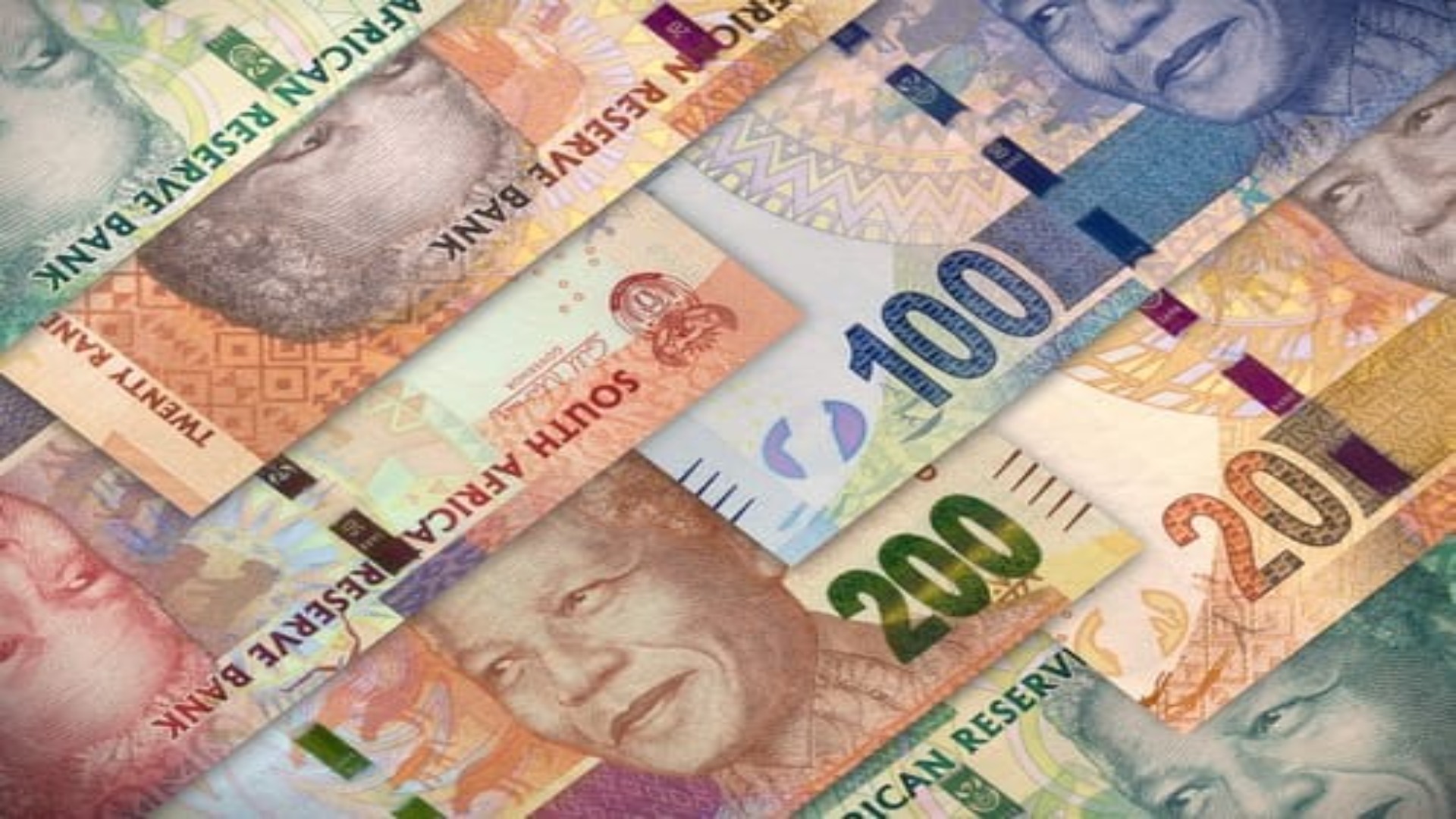
- USD/ZAR has dropped to six-month lows around 15.93, driven by broad dollar weakness and South African asset demand
- The rand's strength comes mostly from a softer US dollar, elevated gold prices, emerging-market appetite, and supportive South African trade and fiscal factors
- The rand could see more gains if the dollar stays soft, though Jackson Hole Fed signals might extend or reverse its current direction
The USD/ZAR currency pair has dropped since late July 2026, falling below key technical support levels to trade near 15.93-15.95. The South African Rand is now its strongest against the U.S. dollar since late February.
This drop wasn’t sudden, but it’s been gradual, building over several weeks. Several factors are behind it, and the Federal Reserve’s Jackson Hole symposium, happening this week, poses a significant near-term risk.
Where the Rand Is Getting Strength
Several external factors are boosting the rand recently. However, a weaker U.S. dollar is the main reason. The dollar index has fallen, thanks to changing expectations for Federal Reserve policy, some weaker U.S. economic data, and broader market shifts. That’s been good for higher-yielding emerging-market currencies, like the rand.
Higher gold prices have also helped. As a major gold producer, South Africa gains from rising prices, which improves its terms of trade and strengthens the currency.
Platinum group metals have also done well lately. Periods of lower oil prices have helped ease imported inflation too.
Domestic factors have helped too. Investors have poured money into South African government debt. A recent government bond auction showed strong demand.
Primary dealer bids far exceeded the amount offered, marking the highest demand since early June. With domestic inflation moderating, real yields have risen, attracting foreign capital looking for good returns.
Does the Rand Still Have More Fuel?
The rand might climb higher, but it’s not a guarantee. If the U.S. dollar keeps weakening, some analysts think the rand could reach 15.50 or even lower by late 2026, assuming global risk appetite and commodity prices stay strong.

A better investor mood toward emerging markets, coupled with South Africa’s steady growth outlook, creates a positive environment.
However, current indicators suggest the USD/ZAR pair looks a bit stretched in the short term. A drop in global precious metal prices or unexpected domestic fiscal issues before South Africa’s mid-term budget could trigger rapid profit-taking, sending USD/ZAR back towards the 16.20 resistance level.
The Fed’s Jackson Hole Symposium and Its Potential Impact
The Federal Reserve’s annual Jackson Hole Symposium presents the biggest macroeconomic risk for the currency pair. New Fed Chair Kevin Warsh is set to deliver his first keynote address there on Friday, August 28, only weeks before the September FOMC meeting.
Current market pricing puts the chance of a September rate hike at roughly one in three, not a cut, as inflation remains above the Fed’s 2% target, currently around 3.4%. Recent FOMC minutes showed internal disagreements, with some members having pushed for a tighter monetary policy.
Investors should keep a close eye on the Jackson Hole Symposium. Its outcomes could either prolong or disrupt the current market trend.
It’s a mix of both. South Africa’s made real progress with a fiscal surplus and cooling inflation. But the rand’s gains also get a boost from a weaker US dollar, largely due to its debt situation.
Yes, it could, assuming the dollar stays weak and commodity prices remain stable. Some analysts even suggest it might reach 15.50 by late 2026.
Dovish Fed signals could weaken the dollar and aid the rand; hawkish remarks would likely reverse recent gains.