


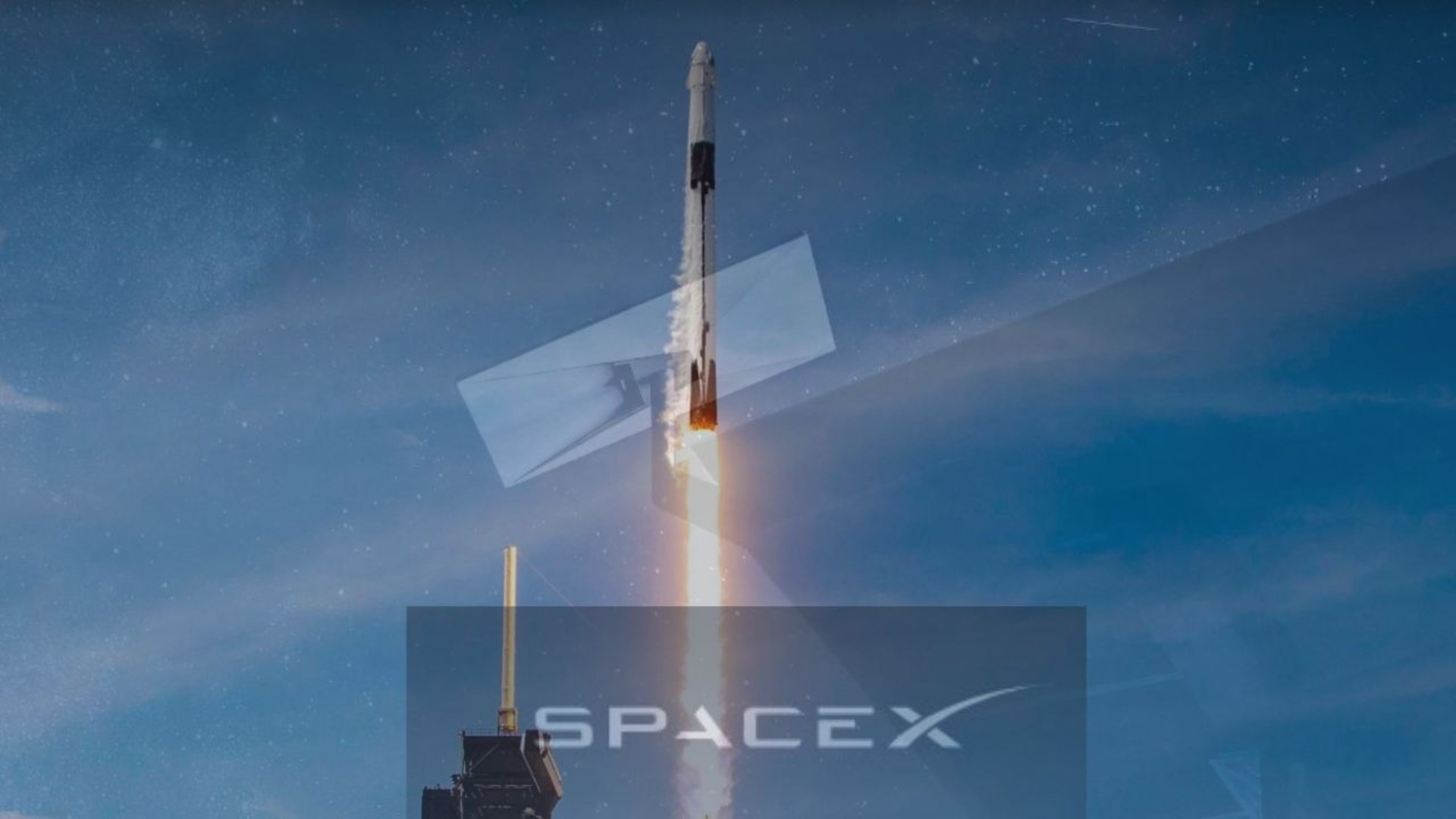
- SpaceX made an S-1 filing in May, indicating intention to float an IPO around mid-June
- The company is not just about rocket launches, but also brings on board Starlink and xAI, with a combined valuation estimated to be between $1.75 trillion and $2 trillion.
- Despite the hype and high valuation, there are risks like a loss of $4.9 billion in 2025 by SpaceX and 85% voting power held by Elon Musk
The heightened anticipation surrounding a potential SpaceX Initial Public Offering (IPO) has garnered significant attention. Following the company’s confidential S-1 filing, reports point to a potential Nasdaq listing under the ticker SPCX, possibly by mid-June. With a reported fundraising target of $75 billion, the company is aiming for an eye-watering valuation between $1.75 trillion and $2 trillion.
Should this occur, it would potentially set a new record as the largest IPO, exceeding Saudi Aramco, and immediately position Mr. Musk’s integrated space technology enterprise among the world’s most valuable corporations. The company’s significant impact on space technology is attracting considerable investor interest. Yet questions remain about whether the excitement matches the fundamentals.
What Is in It for Investors?
SpaceX isn’t just a rocket company anymore. Instead of spinning off Starlink, SpaceX is taking the whole business public. This includes its launch services, Starship development, Starlink, and the AI infrastructure from its xAI merger. SpaceX also points to a massive total addressable market. Its IPO prospectus estimates this market at $28.5 trillion, only a few trillion less than the U.S. annual GDP.
Starlink is the real anchor. It generated around $11.4 billion in 2025 at a remarkable 63% EBITDA margin and produced the group’s only meaningful positive cash flow of approximately $3 billion. Starlink now has 10 million subscribers and accounts for most of SpaceX’s annual revenue. It’s shown the kind of recurring, scalable revenue model institutional investors really want.
The launch business continues to dominate with reusable rockets, while Starship development promises dramatically lower costs for heavy payloads, enabling ambitious projects such as Mars colonization and large-scale orbital infrastructure.

Key Risks Investors Should Consider
SpaceX reported a net loss of $4.9 billion in 2025, followed by a $4.3 billion loss in the first quarter of 2026. These figures are attributed to significant capital expenditures directed towards Starship development, AI initiatives, and infrastructure build-out. Potential investors need to assess if these substantial investments are likely to generate sufficient returns prior to any potential strain on cash reserves.
Governance presents another concern around the SpaceX IPO debate. Elon Musk holds approximately 42% equity but controls 85% of voting power through dual-class shares, limiting shareholder influence. This structure raises questions about accountability and potential conflicts with other Musk-led ventures.
Additionally, a valuation multiple of up to 100 times trailing sales for a company is considered notably high by historical standards. For context, established tech giants like Apple usually trade nearer to 11 times sales. Investors buying in now are paying a big premium for future growth that isn’t guaranteed.
The company aims for a mid-June 2026 Nasdaq listing under ticker SPCX following its May S-1 filing.
Elon Musk retains 85% voting control, significantly limiting other shareholders’ influence on decisions.
Starlink, the company’s satellite internet service, reported 10 million subscribers and achieved 63% EBITDA margins in 2025, positioning it as a primary revenue generator.