


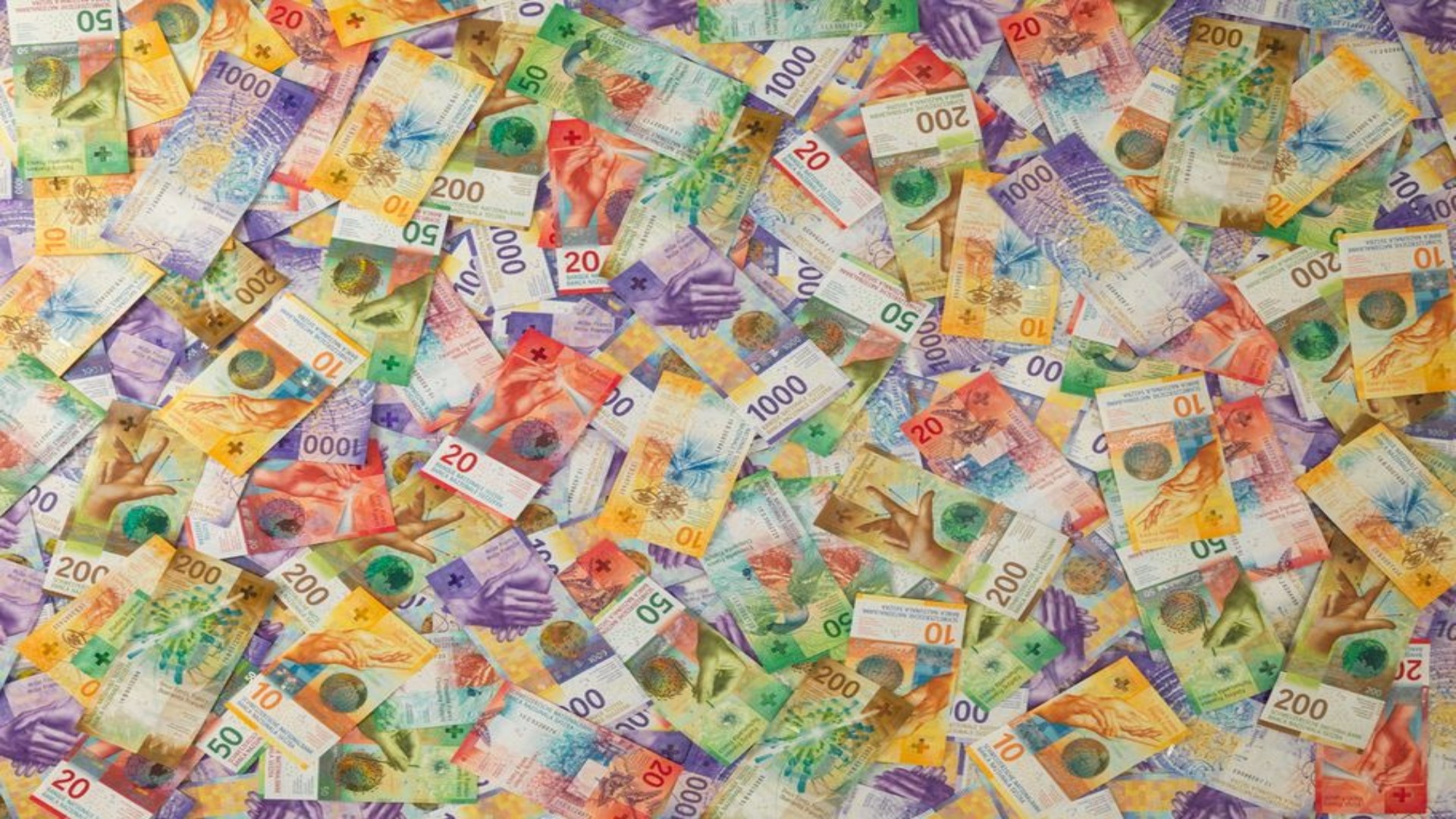
- The Swiss Franc surged over 0.20% in early trading, pulling the EUR/CHF pair toward 0.9230 and stalling its month-long uptrend
- The Franc's resurgence is driven by safe-haven demand amid rising Middle East geopolitical tensions and cooling Eurozone growth optimism
- The Swiss National Bank is ready to actively intervene in the currency markets to prevent the Franc from strengthening too aggressively and hurting exports
The EUR/CHF exchange rate has shown resilience over the past month, with the pair advancing approximately 0.25% overall. However, the Swiss franc has recently strengthened. In two of the last three trading days, the franc has gained value.
This recovery accelerated on Friday, with the franc appreciating by over 0.20% in early European trading. This move pushed the EUR/CHF pair back towards the 0.9230 level. So, what is driving this sudden reversal of fortune, and what does it tell us about the broader market sentiment?
What is Boosting the Swiss Franc?
The Swiss Franc’s recent rise is due to escalating global risks and changing monetary policy expectations. Investors are again seeking safe havens. Risk-on sentiment had briefly pushed up the Euro earlier this month, but the sudden collapse of the US-Iran deal and renewed military action in the Middle East have brought renewed geopolitical anxiety to markets. This tension has also driven crude oil prices higher, exposing energy-reliant European economies and making Switzerland’s resilience stand out.
There’s also a policy angle. The Swiss National Bank (SNB) has held its policy rate at zero and, as Trading Economics notes, has repeatedly said it’s ready to intervene if the franc strengthens too much. Yet, it hasn’t acted. This restraint, somewhat counterintuitively, has actually given traders more confidence to hold franc positions. The immediate threat of aggressive SNB pushback now appears lower than markets had anticipated.
Underpinning these factors is Switzerland’s economic structure. Its disinflationary environment and comparatively stable economy contrast with the Eurozone’s ongoing challenges with slow industrial growth, particularly in Germany.
The European Central Bank is scheduled to meet on July 23, 2026. While the market anticipates no change to the key deposit rate, which stands at 2.25%, policymakers are signaling a data-dependent approach without committing to a specific future rate path.

What Does This Say About Risk Sentiment?
Franc strength is usually shorthand for caution. When investors put their money into Switzerland’s currency instead of looking for higher returns elsewhere, it usually means they’re not feeling very confident about taking risks, at least for a while.
This happens even when things seem a bit better, like when talks between the US and Iran gave some temporary breathing room. However, underlying geopolitical tensions maintain demand for safe-haven currencies.
In essence, this situation reflects a market balancing the potential for economic recovery against ongoing uncertainties, including energy prices and differing monetary policies among major central banks. The performance of the franc serves as an indicator of these market forces. Until geopolitical tensions in the Middle East subside, the franc’s tendency to attract capital is likely to continue exerting downward pressure on the EUR/CHF pair.
The Swiss National Bank has maintained its benchmark expansionary policy interest rate at exactly 0% throughout 2026.
Renewed geopolitical tensions in the Middle East and the collapse of the U.S.–Iran deal have pushed investors toward defensive safe havens.
It indicates cautious risk appetite, with investors seeking stability during geopolitical uncertainty while monitoring recovery signals.