


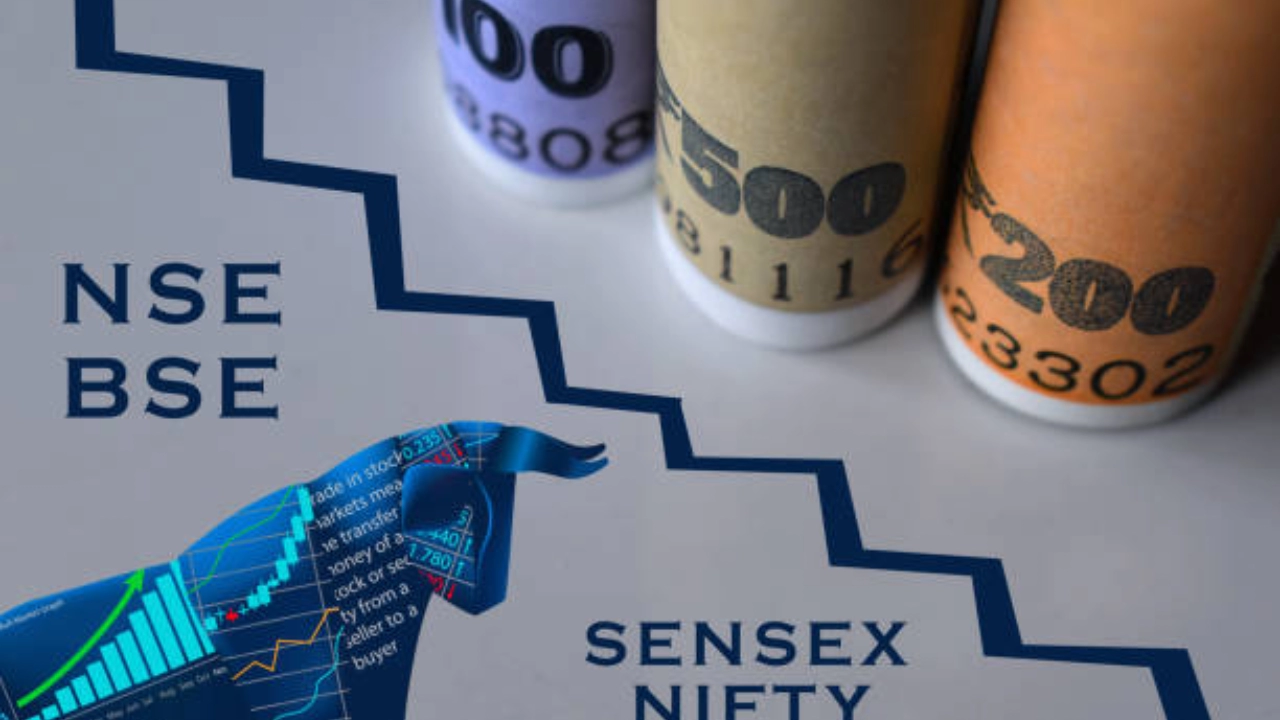
- The Sensex dipped below 74,000. Mega-IPOs in the primary market drew away domestic liquidity, while rising US Treasury yields and elevated crude oil prices spurred significant foreign capital outflows
- Heavy IPO activity through September has pulled funds from secondary markets. A rebound could happen once this fundraising slows and global indicators improve.
- This correction offers selective buying opportunities in quality large-cap stocks. They're backed by India's strong economic growth and steady domestic institutional investor participation.
The BSE Sensex fell today, slipping below the 74,000 support level and nearing multi-month lows last seen in early June.
Despite India’s steady economic growth and support from local institutions, the index briefly touched 73,600-73,900, shedding over 1,000-1,200 points from its previous close of around 74,828.
Sensex Cracks Under IPO Pressure, External Capital Flight
The dip seen in the secondary market currently mostly stems from funds being reallocated, not a lack of interest in Indian stocks. This year, India has had a lot of Initial Public Offerings (IPOs), drawing billions from both big institutions and individual investors.
When primary market offerings soak up so much cash, secondary market trading volumes drop. This leaves indices like the Sensex more open to institutional selling.
Around the world, worries about inflation have pushed the US 10-year Treasury yield to multi-year highs, hovering around 5.1%. These attractive US dollar yields have led Foreign Institutional Investors (FIIs) to pull billions out of emerging markets.
FIIs have net sold over $26 billion in Indian equities this year, putting steady downward pressure on big sectors like banking and IT. In addition, changes to insurance rules and a general risk-off mood in global markets have played a part in the drop.
Though local markets get a boost from mutual fund inflows, they’re still sensitive to these outside influences.
Will the End of IPO Season Bring a Reversal?
The IPO season wrapping up might bring some relief, but a big rebound isn’t a sure thing. Big IPOs definitely soak up cash. Take the NSE IPO, for example. It’s the year’s largest so far, listing today after bringing in ₹22,562 crore.
However, factors like oil prices, interest rates, and Federal Reserve policy expectations now influence market movements more. The pipeline for new offerings isn’t shrinking, with Jio Platforms, expected to list by year-end.

Therefore, a significant recovery based just on the IPO season ending seems unlikely. A real market turnaround would probably need crude oil prices to drop and yields to stabilize.
Opportunities in the Current Market
For long-term investors, the current market correction offers a chance to pick up quality large-cap stocks with strong financial health and predictable earnings. Sectors like domestic consumption, infrastructure, and defensive plays such as pharmaceuticals have shown relative stability.
Short-term traders might want to wait for signs of stabilization near current support levels before investing. They should also keep a close eye on global interest rate trends and oil prices.
India’s long-term economic growth outlook remains positive, and these market dips have historically offered good entry points for patient investors.
Instead of trying to pinpoint the exact market bottom, a systematic, staged investing approach can help investors average their costs as the Sensex stabilizes around key technical levels.
Staying diversified and focusing on companies with sustainable competitive advantages are smart strategies given the current market uncertainty.
A mix of factors has pushed the Sensex down, including rising US bond yields, higher crude oil prices, and ongoing geopolitical tensions. Foreign investors have also been selling, which adds to the pressure, even with strong domestic activity.
Probably not on its own. Oil prices, bond yields, and what the Federal Reserve does will have a bigger impact. Don’t forget, Jio Platforms is still slated to go public too.
For long-term investors, this market correction could be a good time to look at quality large-cap stocks and companies focused on the domestic market.