


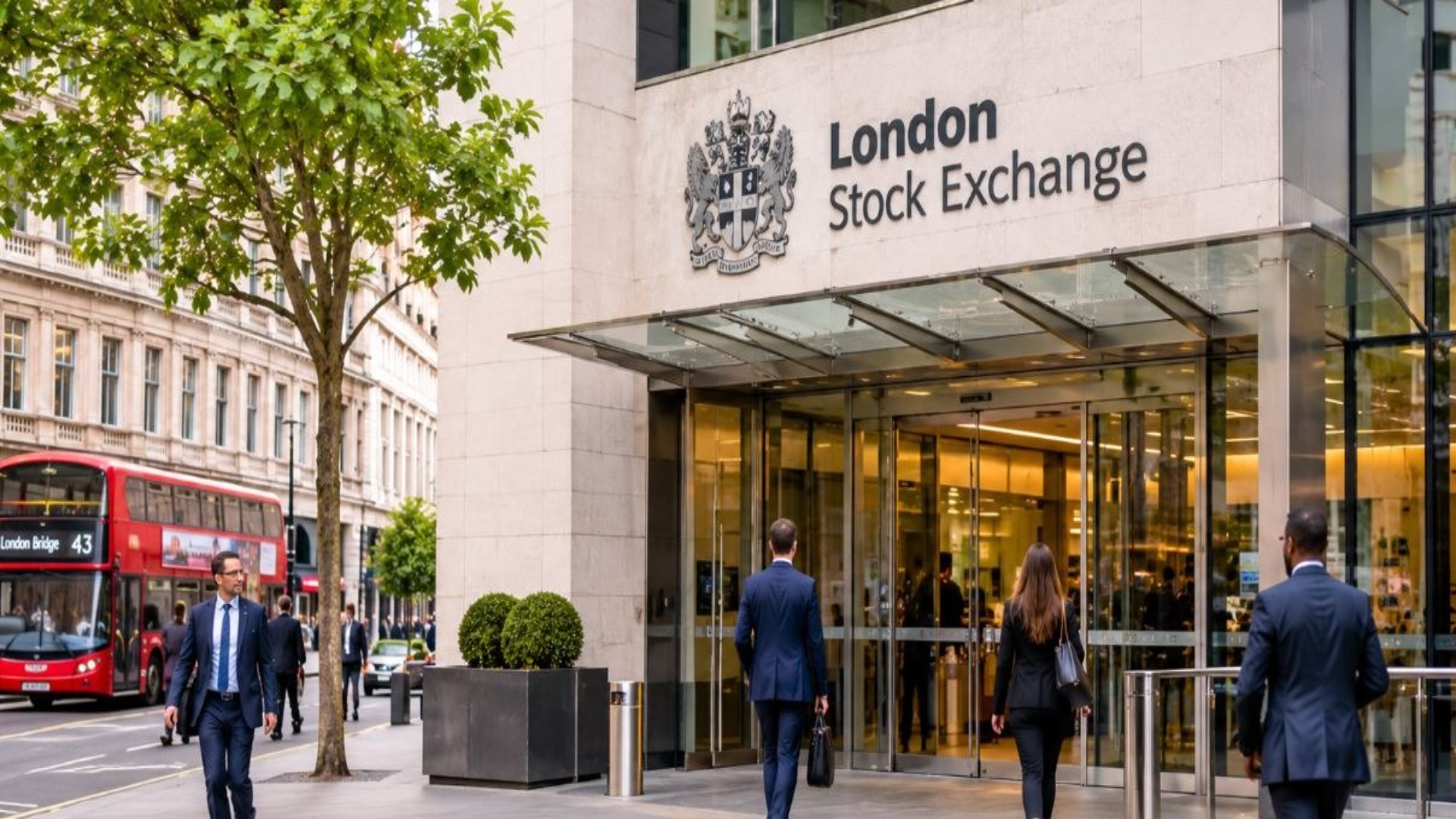
- Falling copper, gold, and crude oil prices, plus UK inflation hitting a one-year high of 3.6%, brought the FTSE 100 down 3.35% in just three sessions
- This pullback seems largely due to softer copper and oil prices and a cooler global risk sentiment. The quick decline also points to some profit-taking after its recent strong performance
- Evidence suggests this is a temporary recalibration, not a deeper crisis. This will hold true if commodity markets stabilize and inflation doesn't force significantly tighter monetary policy
InvestingCube chart · Yahoo Finance data
Just a week ago, the FTSE 100 looked ready to hit 11,000. Now, it’s pulled back, and market sentiment has turned cautious. This week, in just three trading days, the index dropped 3.35%, settling around 10,551 points.
This sudden reversal might be unsettling for investors. Many had seen the index’s rally as a steady alternative to the wild swings of American technology stocks.
Why Market Conditions Changed
A few things came together this week, pushing prices down. The mining sector, a big player in the FTSE 100, led the drop as copper and gold prices softened. Copper felt the squeeze from a stronger dollar and growing uncertainty about demand for AI-related infrastructure.
Major miners like Antofagasta, Anglo American, Glencore, and Rio Tinto saw significant drops, and some lost 6-8% in just one trading session. At the same time, energy giants Shell and BP were down 2.1% and 3%. That happened after Brent crude dropped to $91.42 a barrel on unexpected increases in US crude inventories.
UK economic data also added to the pressure at home. Inflation there hit its highest level in a year, sparking fresh worries that the Bank of England might need to hike rates again. This comes after they raised rates earlier this month, their first increase in three years.
Meanwhile, investors grew less willing to take risks. They turned more cautious both before and after key technology earnings reports, especially from Nvidia. Nvidia’s results have become a major focus for global equity markets.
Even though the FTSE 100 doesn’t have much direct exposure to the technology sector, this negative mood still spilled over.
Justifiable Correction or Investor Overreaction?
The FTSE 100 doesn’t have much direct exposure to tech, so part of its decline seems contagion-driven. Investors are selling London-listed stocks mainly because Wall Street is weak. These kinds of moves often do not last.

But softer commodity prices, persistent inflation worries, and a more cautious global mood all point to solid reasons for the downturn. London’s market has a lot of mining and oil companies, so when crude oil, copper, and gold prices fall at the same time, they are bound to pull the main index down.
That said, this quick retreat follows a fairly short period of strength, suggesting some investors are unwinding earlier market positions.
Is It A Temporary Pullback or Sign of Deeper Trouble?
For now, the data we have points to a temporary pullback, not the start of a major slump. The index is still well above its early-year levels, and many of its companies offer defensive strength.
No systemic issues have popped up specifically in the UK, and current pressures seem mostly external or tied to specific sectors. Still, risks remain. If industrial metals stay weak, that could keep hurting mining company earnings.
Also, any more unexpected inflation spikes might firm up expectations for longer periods of high interest rates. Investors will be watching commodity prices, upcoming UK economic figures, and global tech market trends closely.
Mining and energy stocks saw the biggest drops, as copper, gold, and oil prices fell. Global caution before key technology earnings, along with higher UK inflation, also weighed on the index.
That climb reflected better sentiment but the index’s heavy reliance on commodities made it vulnerable. As soon as metal prices and the appetite for risk started to worsen, it couldn’t hold on.
Not really. Most of the pressure comes from global commodity markets and a general move away from risk, not just from problems in the UK economy.
What is your outlook on FTSE 100?
Anonymous · no sign-up · results from the last 30 days · not investment advice