


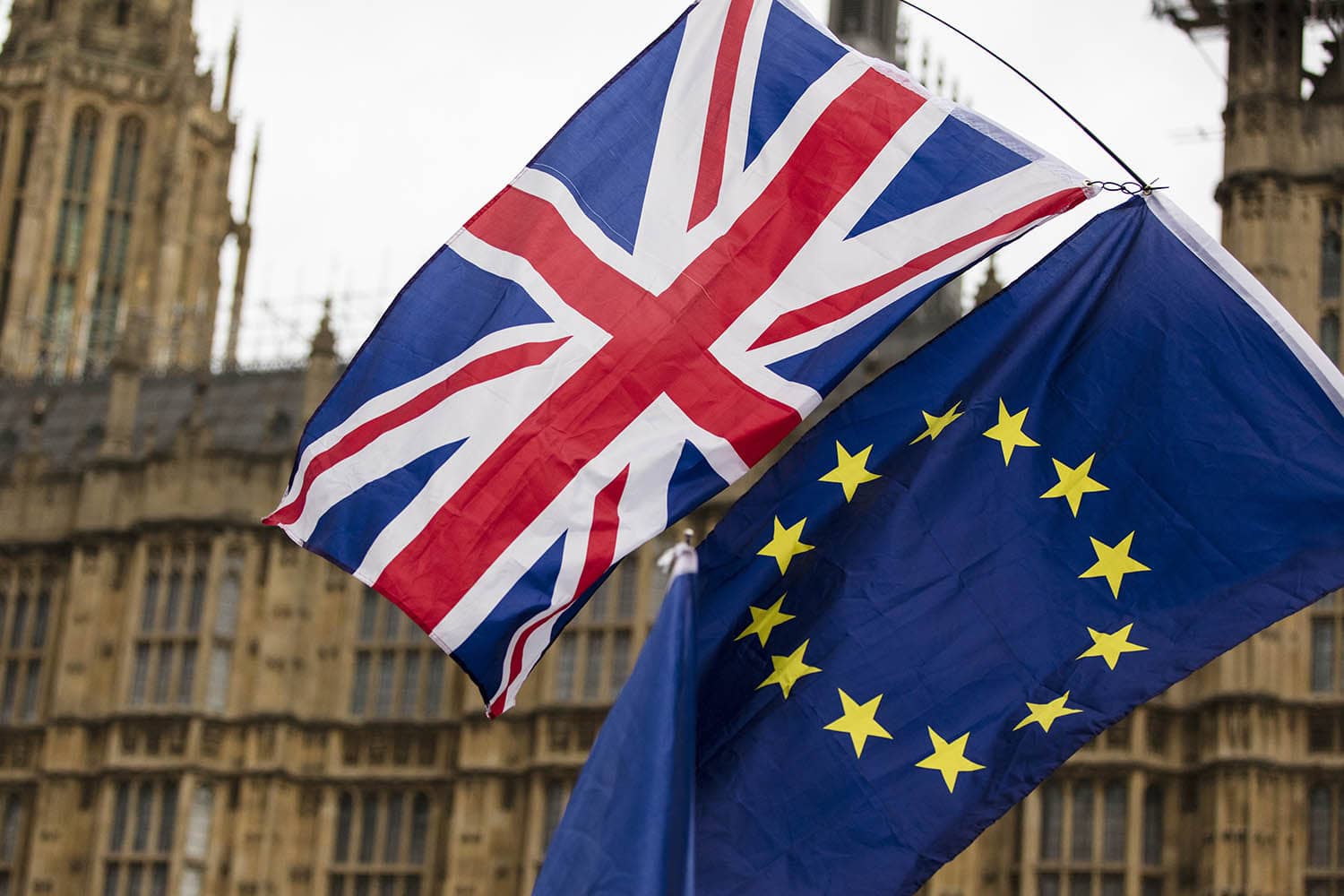
- GBP/EUR has climbed steadily since late September. This rise follows UK growth revisions and concerns about French finances, which has pushed the pair to near 52-week highs, now on a five-session winning streak
- The Bank of England's hawkish stance contrasts sharply with the European Central Bank's rate cuts. Meanwhile, stagnant Eurozone growth and ongoing French fiscal issues continue to weigh on the Euro
- Looking ahead, the pair's short-term path will hinge on the upcoming UK Budget, fresh Eurozone economic data, signals from central banks, and shifts in French bond spreads
The British Pound’s had a good run against the Euro lately, steadily gaining ground from late September through early October.
After five straight days of gains, the GBP/EUR exchange rate pushed past significant resistance, reaching new 52-week highs above 1.1810.
Why the Pound Is Climbing
A couple of things have really helped the pound against the euro. For one, the UK’s updated economic growth figures showed a 0.5% expansion in the second quarter, which was better than the initial 0.4% estimate. This revised number hints the Bank of England (BoE) might keep monetary policy tighter for longer than folks first thought.
Also, ongoing UK inflation means the BoE will likely cut interest rates cautiously and gradually. This makes investors expect higher UK rates than those in the Eurozone, making the pound’s yield look more appealing.
Then there’s the second factor, which is concerns about French public finances. These concerns are weighing on the euro and adding to existing growth anxieties. Germany’s industrial output is shrinking, and yield spreads on French government debt are widening because of political uncertainty and budget deficit issues. All these problems have dragged the euro down.
This widening gap in yields between French government bonds and German Bunds also points to fiscal and political instability in the Eurozone’s second-largest economy. Analysts at Barclays and TD Securities say these pressures have mostly given the pound a boost.
Is the Momentum Justified?
Yes, mostly, but the underlying causes matter. The current trend mostly reflects euro weakness, not a sudden surge in pound strength. For example, a recent sell-off in French government bonds pushed their yield premium over German Bunds to roughly 150 basis points. That’s the biggest gap we’ve seen since the 2011 sovereign debt crisis.
This wider gap makes credit seem riskier and provides less backing from interest rate differentials. Currently, markets anticipate three European Central Bank rate hikes over the coming year, a drop from the previous expectation of four. In fact, there’s only a 20% chance of a rate adjustment this October.

Reversal or Further Upside?
A sharp downturn doesn’t seem likely soon, but the recent rally has hit some resistance. On Tuesday, the pound saw a slight pullback from its recent peak as French bonds recovered and their yields decreased.
The French bond market’s performance is truly behind this rally. If those markets settle down, the GBP/EUR pair might trade within a range, even without bad news for the pound.
It’s more likely the pair will consolidate instead of a big collapse or a steady climb. Further gains would likely require new pressures on France, such as political gridlock or a credit rating downgrade.
What Will Shape the Next Few Weeks?
All eyes will be on French politics and its bond markets. Prime Minister Sébastien Lecornu’s minority government faces a tough budget approval process, and how things unfold there will matter significantly. Any agreement stabilizing bond markets would likely support the Euro.
Eurozone economic data releases will also be under the microscope. German figures on factory orders, industrial production, and inflation, in particular, will shape views on the region’s economic growth.
Over in the UK, the October 28 Budget will test the government’s ability to maintain fiscal credibility without hurting economic growth. Any unexpected changes to taxes or government spending could significantly affect the pound.
The euro has weakened against sterling, driven by stronger UK growth revisions and concerns over French finances. This move has brought GBP/EUR close to its yearly highs.
Yes, it is. Interest-rate differences and political risks within the eurozone provide solid support. Still, the rapid pace of this move suggests the pair might be a bit overstretched in the short term.
A full reversal seems unlikely. Even so, we could see some consolidation or a minor pullback around the 1.18 resistance zone, particularly after such a fast five-session climb.