


- Higher U.S. Treasury yields make the opportunity cost of holding non-yielding bullion much more expensive
- A drop below the $4,000 support level could trigger stop-loss orders, resulting in more institutional selling
- The Federal Reserve will carefully consider August's PCE inflation figures and September's employment report for its next policy decision.
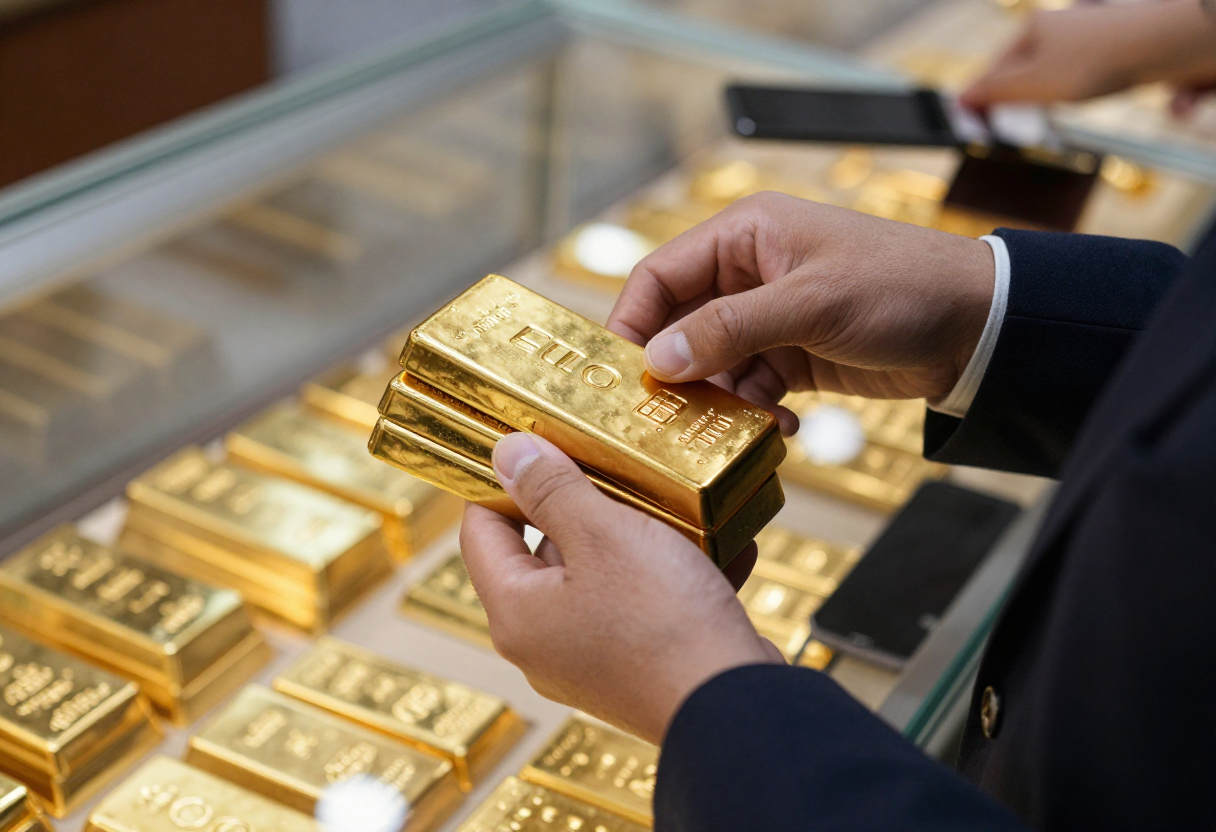
Gold price has declined over 9% in the last month, trading near $4,140 an ounce by late September 2026. This drop largely stems from rising US Treasury yields, which are now at multi-year highs.
Since gold doesn’t pay interest, higher yields naturally make it less appealing. With the 10-year yield hovering around 5.24%, an immediate recovery for gold seems unlikely.
This market situation leaves XAUUSD’s future and the $4,000 support level’s stability uncertain. Investors should watch for important economic and technical signals to get a clearer picture of price changes.
Treasury Yields Drive Gold’s Fall
When real interest rates climb, gold loses its shine because it doesn’t offer a yield. Higher returns on fixed-income investments, like government bonds, naturally draw capital away from assets such as gold.
Several factors are pushing yields higher. XTB reports that stalled US-Iran talks are keeping oil prices elevated, fueling inflation expectations and making more Federal Reserve rate hikes seem probable.
Usually, geopolitical uncertainty boosts gold prices. But when that uncertainty also drives up energy costs and yields, gold takes a hit. Federal Reserve Governor Michael Barr sounded hawkish recently, hinting the central bank might hike rates again if inflation stays high.
Can Gold Hold $4,000 Support?
The $4,000 level is a key psychological and technical support for gold price momentum. It’s acted as a floor multiple times this year and aligns with structural price levels seen earlier in 2026.

If prices drop below this level, they could fall to the $3,900-$3,950 range, or even lower, depending on how quickly yields rise. But a fall isn’t certain. Strong demand from central banks and Asian buyers has supported prices during past downturns.
If Treasury yields continue climbing sharply, or if economic data suggests rates will stay high for a long time, the risk of testing $4,000, and perhaps even falling below it, increases.
What Investors Should Watch
Investors are watching the August PCE report closely. This data could ease or heighten worries about ongoing inflation. The September employment report is another key economic signal the Federal Reserve will consider for its next rate decision.
Oil prices and US-Iran relations also matter because energy-driven inflation is a primary reason for rising yields right now. Also, central bank gold purchases have created a demand floor, which could limit how much prices fall.
While gold might eventually act as a hedge against systemic risk again, current market conditions suggest a downward trend is more likely in the short term.
The main reason is rising U.S. Treasury yields. When yields are higher, non-yielding gold becomes less appealing, pulling investors toward fixed-income assets instead.
Yes, if real yields stay high and the U.S. dollar remains strong, selling pressure might trigger stop-loss orders, pushing prices under $4,000.
Current price action suggests caution. With high rate-hike odds and firm yields, gold will likely trade sideways or lower until market expectations ease.