


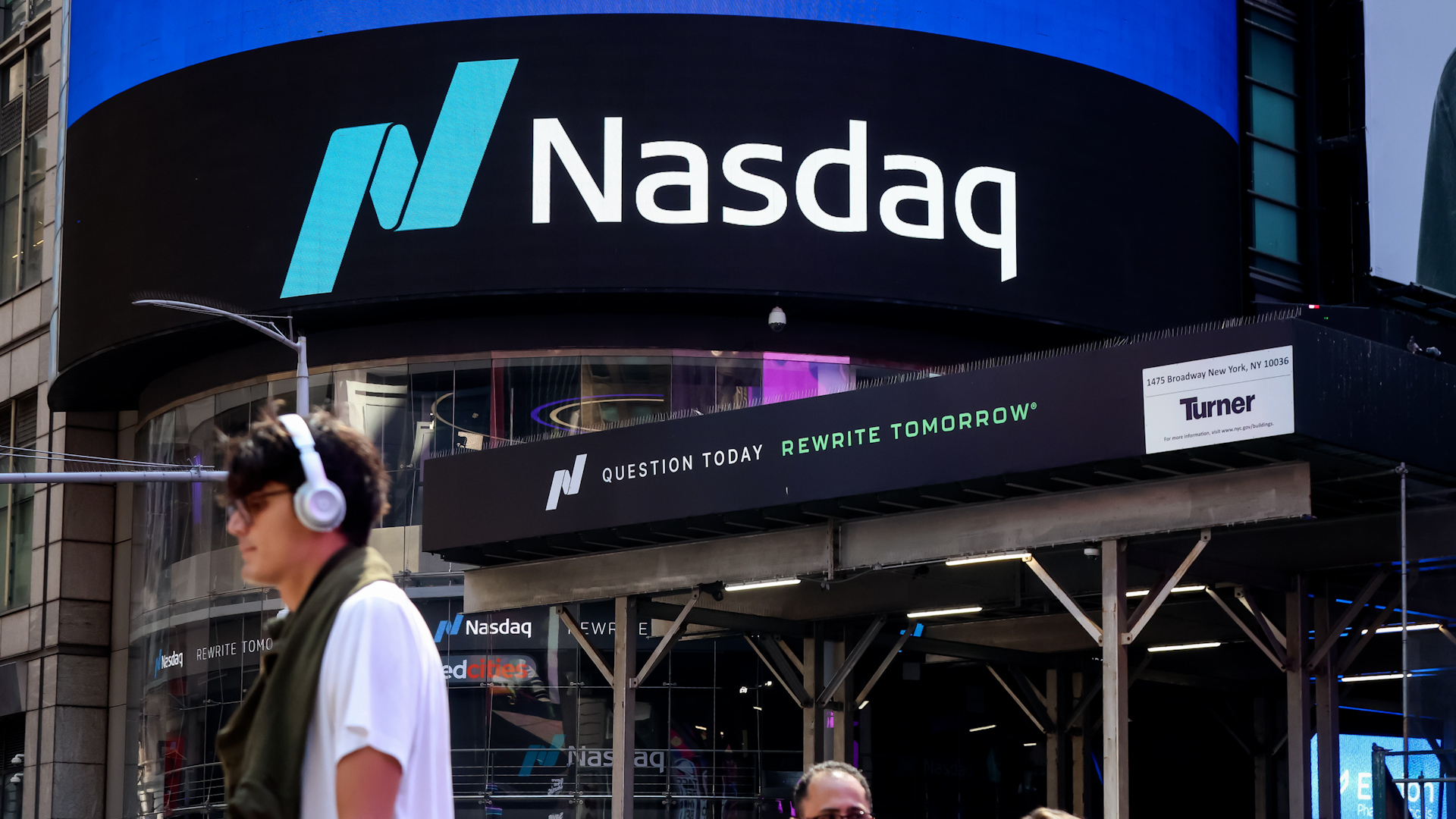
- Nasdaq futures led the premarket recovery after a sharp retreat in technology stocks last week.
- AI financing remains a concern, particularly for cloud operators borrowing heavily to expand computing capacity.
- Tesla and Meta report on October 21, putting margins, capital spending and cash generation in focus.
Nasdaq futures climbed more than 1% before Monday’s Wall Street open as investors returned to technology stocks following last week’s selloff, with lower oil prices and easing Treasury yields offering some relief. The recovery comes ahead of earnings from Tesla and Meta, which could help determine whether confidence in technology shares stabilises or renewed concerns about spending and profitability interrupt the rebound.
Why Are Nasdaq Futures Up Today?
Nasdaq futures gained approximately 1.3% in early Monday trading, while S&P 500 futures advanced around 0.8%. Lower crude prices and falling Treasury yields helped support the recovery. The move signals renewed appetite for technology exposure before the regular US session. It does not yet establish t hat the selling pressure has ended.
After a steep decline, prices can rebound as investors buy cheaper shares and bearish traders close positions. A stronger recovery would require demand to continue after the opening bell and extend beyond a handful of heavily traded names.
The distinction matters this week because earnings could quickly alter expectations for both growth and spending.
AI Debt Concerns Remain Central to the Nasdaq Outlook
The latest technology selloff has brought financing risk into sharper focus. CoreWeave, which rents computing capacity to AI customers, has become a prominent example. Reuters reported that the company carries approximately $50 billion in debt, while its bond yields and debt-insurance costs rose sharply as investors reassessed risk.
The broader concern is straightforward: expensive infrastructure must eventually generate enough cash to cover operating expenses, financing costs and replacement investment. Strong demand for computing does not automatically ensure attractive returns for every company supplying it. Businesses can grow revenue rapidly while remaining dependent on fresh capital.
Lower Treasury yields offer some relief, but corporate borrowers also pay a premium reflecting their individual credit risk. If that premium rises, financing can remain expensive even when government bond yields decline.
For the Nasdaq, this creates a more demanding investment backdrop. Investors need evidence that spending produces profitable growth, alongside assurances that expansion remains financeable.
Tesla Earnings: Margins Matter More Than Deliveries Alone
Tesla will release third-quarter results after the market closes on Wednesday, October 21. The company previously reported 486,532 vehicle deliveries and 13.7 GWh of energy-storage deployments for the quarter. Its financial release will show how those operating figures translated into earnings and cash flow.
Investors will be watching automotive margins, pricing, expenses and investment requirements. Higher deliveries can support revenue, but discounts and costs influence how much profit the company retains. Energy storage provides another area to assess, alongside management’s expectations for future demand.
Tesla’s results could influence sentiment beyond the stock itself, particularly if management offers a clearer picture of spending priorities and the timing of returns.

Meta Earnings Put AI Spending Under Scrutiny
Meta also reports after the close on October 21, with its earnings call scheduled for 4:30 p.m. ET. Its results will offer a different perspective on AI investment: whether a large, established digital business can fund infrastructure expansion while maintaining strong operating performance.
Advertising growth and margins will show how the core business is performing. Capital-expenditure guidance and cash flow will help investors assess the financial demands of its longer-term plans.
A strong quarter could support confidence, particularly if management demonstrates measurable commercial benefits from AI. However, higher spending without a convincing explanation of expected returns could revive concerns across the sector.
Nvidia, Micron and Cloud Stocks Remain on the Watchlist
Nvidia and Micron provide exposure to different parts of the AI hardware supply chain, while CoreWeave and Nebius offer a view of demand for rented computing infrastructure. Their trading patterns could help reveal the breadth of Monday’s rebound.
If chipmakers recover while cloud operators remain under pressure, investors may still be distinguishing between equipment demand and financing risk. A broader advance would suggest confidence is improving across more of the investment cycle.
Intraday gains alone will provide limited evidence. Sustained buying, supported by earnings and financing developments, would carry more weight.
Nasdaq Futures Outlook: What Would Strengthen the Rebound?
Three developments would make the recovery more convincing:
- Broader participation: Gains extending across semiconductors, software and other major index constituents.
- Improving financing conditions: Reduced pressure on AI-related borrowers alongside calmer bond markets.
- Earnings support: Resilient margins, cash generation and credible spending plans from reporting companies.
The immediate risk is that premarket optimism fades once regular trading begins. This week’s results will provide a more substantial test of whether investors are ready to rebuild technology exposure.
It indicates expectations for a firmer opening, but prices can change before the bell. Futures gains also do not guarantee that the market will finish higher.
Both companies are scheduled to release third-quarter results after the US market closes on October 21, 2026.
Higher rates can reduce the present value investors assign to future earnings and increase financing costs, particularly for businesses funding expansion through debt.