


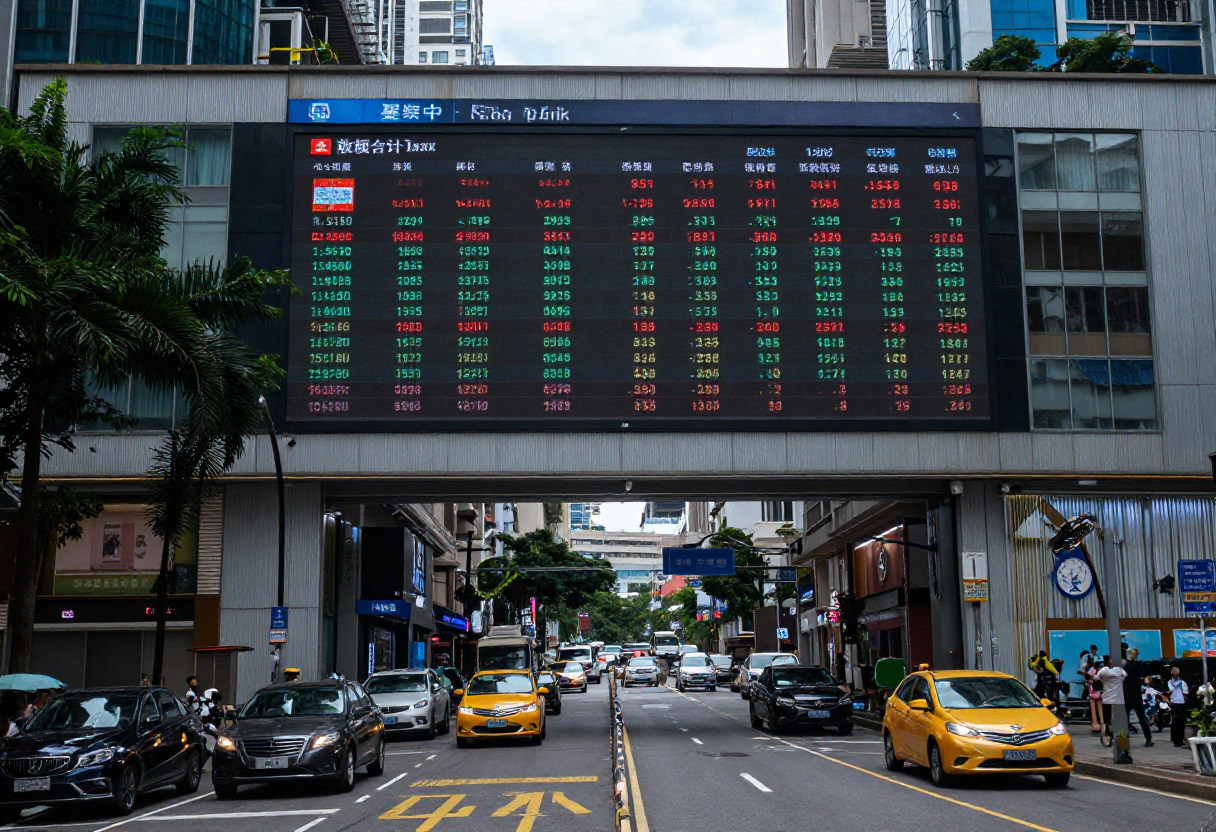
- The stock market has had a good run in the last month, with both the Nasdaq and S&P 500 rising by double digits
- Equities started signaling weakness on Friday after a tepid outcome to China-US talks headlined by President Trump's visit to Beijing. That momentum has carried over to today, with signs of Middle East war escalation.
- Some analysts have warned that the markets are overheated and due for a correction, but AI cycle is helping keep things afloat
Strong corporate earnings in the first quarter, combined with a brief reduction in geopolitical tensions, propelled major indices to impressive gains. The Nasdaq, for instance, rose by over 15%, while the S&P 500 advanced more than 10%, marking its strongest monthly performance in half a decade.
However, this period of positive momentum has recently encountered significant headwinds. Wall Street experienced a notable downturn on Friday, and selling pressure escalated further today.
The S&P 500 closed last week with a 1.2% drop. Global benchmark indices opened with substantial declines today, as evidenced by India’s Sensex falling more than 500 points and European indices registering considerable weakness.
Friday’s Perfect Storm of Bad News
Friday’s notable decline resulted from a confluence of factors. Equities broadly fell, weighed down by declines in the technology sector and an increase in US Treasury yields, particularly after a summit between President Trump and Chinese President Xi Jinping concluded without significant policy breakthroughs.
That disappointment hit hard. The 30-year Treasury yield rose 10 basis points to reach 5.12%, its highest level since June 2007, while the 10-year benchmark yield climbed 11 basis points to 4.57%. When bond yields spike like that, it squeezes the relative appeal of equities, which are priced on future earnings.
Adding to this, broader geopolitical concerns also emerged. Investors became increasingly apprehensive regarding the implications of the extended conflict involving Iran, specifically, the potential for elevated energy prices to exacerbate inflation and sustain higher interest rates. Brent crude’s ascent above $111 per barrel further intensified these concerns.
Are Equities Fairly Valued?
Valuation metrics suggest equities appear to be trading at elevated valuations. As of mid-May 2026, the S&P 500’s forward price-to-earnings ratio is approximately 20-21 times forward earnings, which is above its longer-term historical averages. The Buffett Indicator and CAPE ratio similarly point to heightened valuation levels, with some analyses suggesting the market could be considered significantly overvalued when compared to historical benchmarks.
J.P. Morgan’s research team estimates the AI supercycle is driving above-trend earnings growth of 13–15% for at least the next two years, which gives bulls reason to stay the course. Morgan Stanley, however, cautions that markets have already priced in a lot of anticipated good news, suggesting additional upside may be limited.

That said, it is important to consider the broader context. Strong corporate earnings, particularly within technology and AI-related sectors, underpin current valuation multiples. Market participation has shown signs of broadening, extending beyond just mega-cap companies, and certain segments like small- and mid-caps could be considered more reasonably valued.
While a market correction remains a possibility, especially if inflation persists or economic growth falls short of expectations, however, robust underlying fundamentals might help mitigate the extent of any downturn when compared to previous cycles at comparable valuation levels.
Why is the Stock Market Down Today?
Today’s trading session continued the sentiment observed on Friday. A primary catalyst appears to be the escalation of the crisis in West Asia. Over the weekend, a drone attack on a United Arab Emirates nuclear facility disrupted a delicate ceasefire agreement, potentially moving the U.S. and Iran further from a diplomatic resolution. President Donald Trump warned that the “clock is ticking” for Iran to reopen the critical Strait of Hormuz oil artery.
Meanwhile, US stock futures edged lower as investors awaited Nvidia’s closely watched earnings report later this week, while oil prices continued to rise after President Trump warned Tehran is running out of time to reach a deal.
Markets are falling because escalating Middle East tensions have pushed Brent crude past $110, sparking fears of prolonged inflation and higher interest rates.
Not necessarily at this moment. Robust corporate earnings and growth fueled by AI innovation provide some support for current valuations. However, the current elevated price levels do make markets vulnerable to any unexpected negative developments.
Higher oil prices from the conflict stoke inflation fears, push bond yields up, and reduce the likelihood of Fed rate cuts. All these are headwinds for equities.