


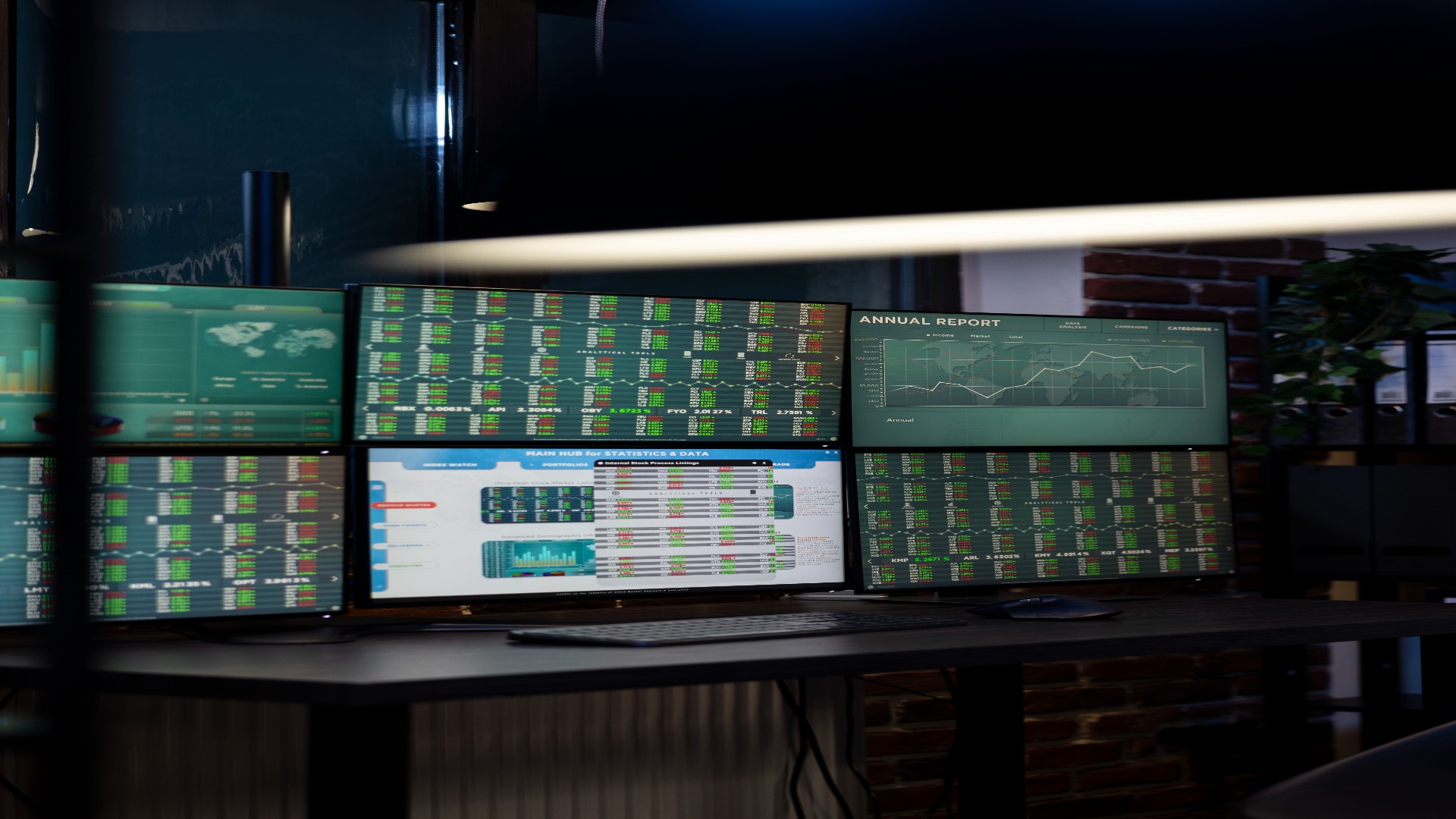
- Scalping is a high-intensity, high-volume style of trading that requires sharp focus and specialised trading tools
- It is built on executing multiple trades within short time frames while putting in place strict risk control measures
- Scalpers often use leverage to increase the amount of profit generated, but that also raises the risk exposure
If traditional investing is a marathon, scalping is a sprint. It represents one of the more intense, high-velocity trading strategies available. This approach appeals to individuals who excel in dynamic, fast-paced environments, yet it simultaneously demands exceptional discipline and unwavering focus.
What Is Scalping and How Does It Work?
Scalping is a high-frequency trading strategy where traders aim to profit from small price changes by opening and closing multiple positions within minutes or seconds. To do this, you need some very specific tools. Key among these include a fast internet connection, platforms that let you place orders instantly, up-to-the-second market data, special keyboard shortcuts (hotkeys) or automated systems, and cheap trading fees. Instead of waiting for a stock or currency to make a big move, scalpers focus on really tiny movements.
The whole idea behind this strategy is doing a lot of trades, over and over again. Sure, each trade might only make a tiny bit of money. But when you do dozens, maybe even hundreds, of them every day, all those small profits really start to grow. For this to work, scalpers need to find assets that are highly liquid with tight bid-ask spreads, such as major forex pairs, high-volume tech stocks, or heavily traded stock indices.
They rely heavily on technical analysis rather than corporate fundamentals. Traders typically analyze short-duration charts, examining patterns on 1-minute, 5-minute, or even tick charts. Achieving success often hinges on maintaining a high win rate, typically between 55-60%, given the inherently modest profit targets per trade.
Because individual profits are small, scalpers frequently use leverage to amplify their returns, making strict risk control an absolute necessity. Risk management features prominently through tight stop-loss orders and strict position sizing.
Who Is Scalping For?
This approach is not universally suited for every trader. It demands sharp attention, rapid responses, and the capacity to operate effectively in high-pressure situations. For those who favor more deliberate setups and pre-planned strategies, the intensity of scalping may prove overwhelming.

Think of the ideal scalper as someone with a short attention span for boredom but a long tolerance for stress. It is best suited for disciplined traders who can maintain intense focus for one to two hours during peak trading sessions. If you are easily rattled by rapid losses or tempted to deviate from a plan in the heat of the moment, scalping will expose those weaknesses quickly.
Rewards of Scalping
A key benefit of scalping is the potential for generating consistent daily income while avoiding overnight exposure, given that all positions are typically closed before the trading session concludes. For proficient traders, the accumulation of many small gains can collectively contribute to substantial returns over time.
The strategy minimizes exposure to broader market swings or news events that affect longer-term positions. Under optimal market conditions, particularly in volatile yet highly liquid environments, scalpers can capitalize on high-probability trading opportunities.
Risks Involved
Despite the appeal, scalping carries substantial risks. Transaction costs including commissions, spreads, and slippage can erode profits rapidly with high trade volume. Studies show that a significant number of retail scalpers struggle to maintain consistent profitability, often experiencing losses over time, primarily due to the intense demands of this trading methodology.
High liquidity ensures tight bid-ask spreads and minimal slippage, allowing scalpers to enter and exit positions quickly without losing profit.
Generally no, because scalping requires advanced technical analysis skills, institutional-grade execution software, and flawless psychological discipline to manage rapid risk.
Because scalpers execute hundreds of trades daily, accumulated broker commissions and exchange fees can severely erode their net trading profits.