



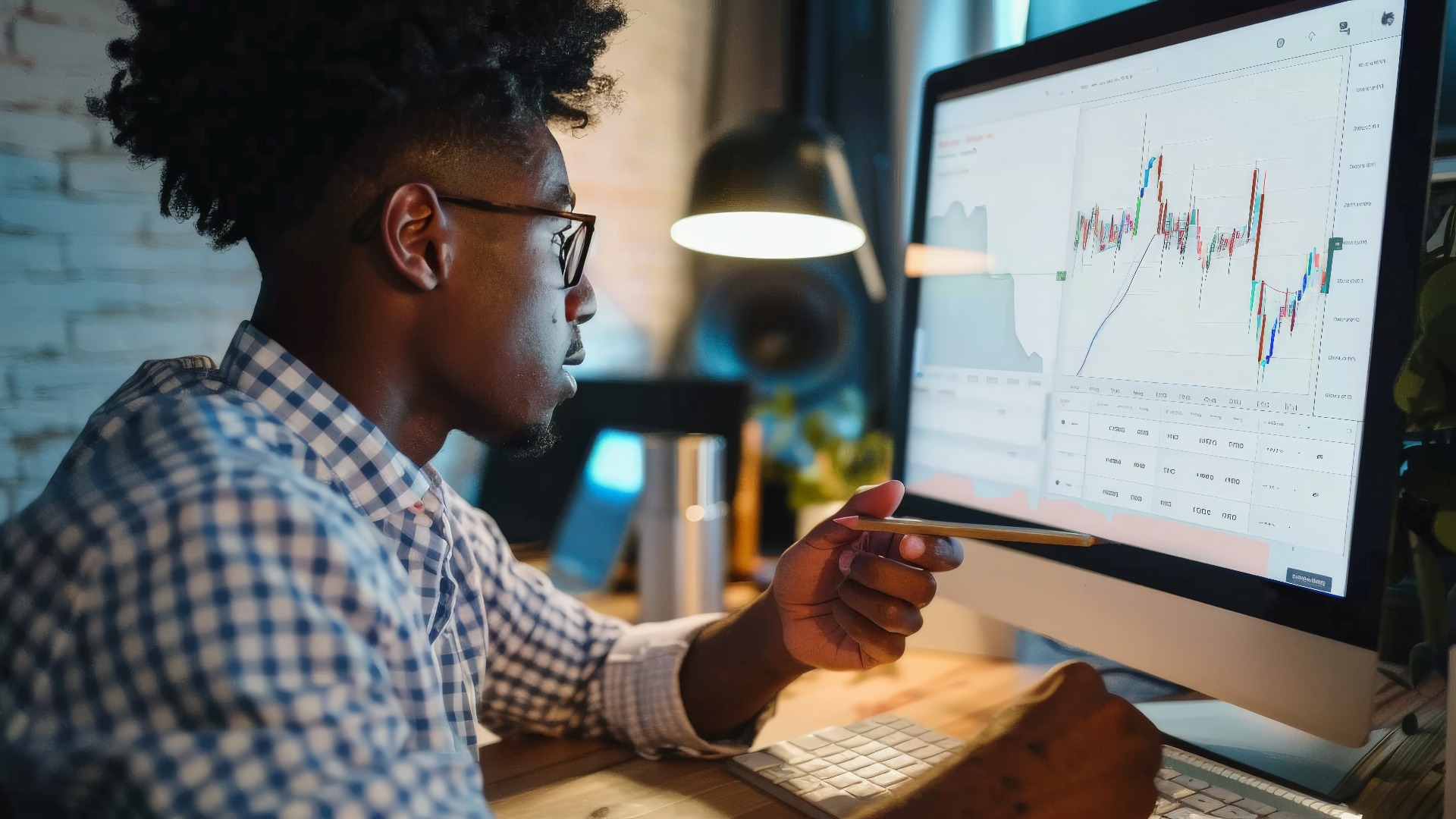
- Trading has become accessible and attractive to more students in modern times, facilitated by technology and vast learning resources
- Students have the advantage of time as traders, but they need to learn the basics, exercise using demo accounts, prioritise their class hours and avoid being led by hype.
- If done right and diligently, trading as a student comes with significant rewards but there are also significant risks
Engaging in financial market trading often appeals to students seeking a path toward financial independence or an opportunity to develop practical skills. Given the flexibility of online platforms and schedules, many find themselves considering if this pursuit aligns effectively with their academic commitments. But is it wise? And if you decide to start, how do you do it right?
Is It a Good Idea to Trade As A Student?
The practicality of trading for students largely hinges on one’s specific approach. Initiating investment activities at a younger age offers the potential for gradual, long-term growth through diversified holdings that typically appreciate over time.
Students often have the advantage of time, allowing them to learn and experiment with modest capital, thereby cultivating financial literacy which proves beneficial for long-term wealth accumulation. However, it is not ideal for everyone. Academic priorities should remain primary, and trading must not interfere with studies or involve funds needed for essentials.
How to Start Trading as A Student
1. Educate yourself first. A wealth of resources is available, ranging from books and online courses to specialized websites, which can help in understanding fundamental concepts such as stocks, bonds, mutual funds, and effective risk management strategies.
2. Choose the right platform. Selecting the right trading platform is key. Modern trading environments offer remarkable accessibility, with intuitive online platforms, mobile applications, and real-time analytical tools making it possible to participate from various locations.
3. Start with a demo account. Before using real money, practice on a simulated trading environment. Most reputable platforms provide free simulated trading environments, allowing newcomers to experience market dynamics firsthand and refine their trading strategies without financial risk.
4. Start small. You do not need significant capital to begin. Even with a minimum capital of $5–10, one can conduct operations on certain platforms.

Do’s and Don’ts for Student Traders
Do’s:
- Prioritize education and maintain a trading journal to review decisions.
- Never risk more than 1% to 2% of your total capital on a single trade.
- Finding a balance between trading activities and academic pursuits is essential. Consider allocating specific time slots for this.
- Start small and scale gradually as skills improve.
- Use stop-loss orders and diversify where appropriate.
Don’ts:
- Trade with borrowed money or funds for tuition and living expenses.
- Chase losses or engage in revenge trading after setbacks.
- Don’t neglect academics or trade during class or study hours.
- Exercise caution against the “FOMO” (Fear Of Missing Out) trap often fueled by viral social media trends or unverified internet financial advice.
- Refrain from overtrading or allowing emotions to dictate deviations from your predefined trading plan.
The Verdict
Trading as a student is neither universally good nor bad. Done with proper research, a small starting capital, and clear boundaries around study time, it can be one of the most practical financial educations you receive. However, if undertaken recklessly, it carries the risk of losing funds that one cannot afford to part with. The market generally favors the disciplined participant, not the impulsive one.
Yes. With self-education through books, online courses, and demo accounts, any student can build a foundation before investing real money.
It can, if poorly managed. Setting clear time limits for trading activity helps prevent it from disrupting study schedules and academic focus.
Master basics, practice extensively on demo accounts, and create a clear trading plan.