


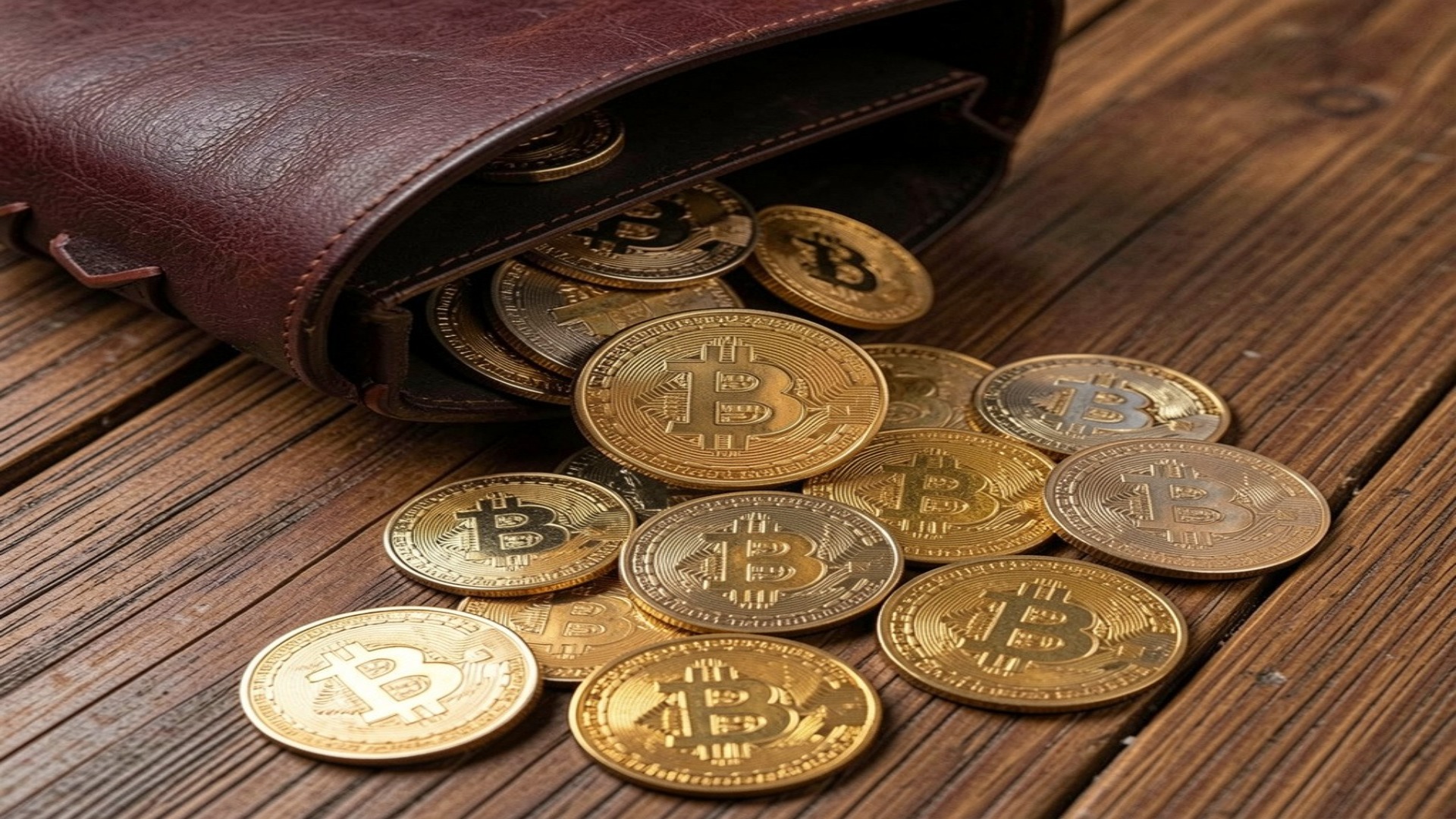
- Rather than functioning solely as storage tools, wallets are increasingly becoming access layers for a growing range of financial products.
For much of crypto’s history, wallets were infrastructure.
Their primary purpose was straightforward: securely store digital assets, manage private keys, and connect users to decentralized applications. Whether someone was holding Bitcoin, swapping tokens on a decentralized exchange, or minting an NFT, the wallet largely functioned as a gateway rather than a destination.
That role is beginning to change.
As the digital asset industry matures, a growing number of financial activities are moving onchain. Decentralized finance has expanded far beyond simple token swaps. Tokenized stocks and ETFs are becoming more accessible. Prediction markets are attracting mainstream attention. Real-world assets have emerged as one of the fastest-growing sectors in crypto, while perpetual futures trading continues to expand beyond traditional exchange environments.
A few years ago, most of these products existed in separate corners of the market. Perpetual futures were largely concentrated on exchanges, tokenized securities remained experimental, and many blockchain-based financial applications operated independently from one another. Today, those segments are beginning to converge.
For users, that creates a challenge: accessing different markets often requires navigating multiple platforms and applications.
This is where the next evolution of Web3 wallets may emerge.

Rather than functioning solely as storage tools, wallets are increasingly becoming access layers for a growing range of financial products, allowing users to interact with multiple blockchain-based markets from a single interface.
KuCoin Web3 Wallet is one example of this approach, expanding beyond asset management toward broader market access.
In addition to supporting crypto assets, decentralized applications, and cross-chain activity, the wallet provides access to perpetual futures trading directly within the wallet environment. Earlier this year, KuCoin Web3 also expanded into tokenized U.S. stocks and ETFs, reflecting growing demand for blockchain-based access to traditional financial instruments.
More recently, the platform integrated Hyperliquid’s HIP-3 framework, introducing access to perpetual markets linked to equities, commodities, foreign exchange markets, indices, and digital assets. The move reflects a broader effort across the industry to bring different market categories closer together within self-custodial environments.
The significance of this trend is not necessarily any individual feature. Tokenized assets, derivatives, and decentralized applications already exist across the digital asset ecosystem. What is changing is how those products are being packaged and accessed.
Historically, wallets competed on chain support, asset coverage, and security. Those factors remain important, but as tokenized assets, stablecoins, real-world assets, and decentralized trading infrastructure continue to mature, market access is becoming an increasingly important differentiator.
A decade ago, wallets were built to secure access to blockchains. The next generation may be built to organize access to markets.
As digital finance continues to move on-chain, the most important question for wallet providers may no longer be what users can store, but what they can access.