


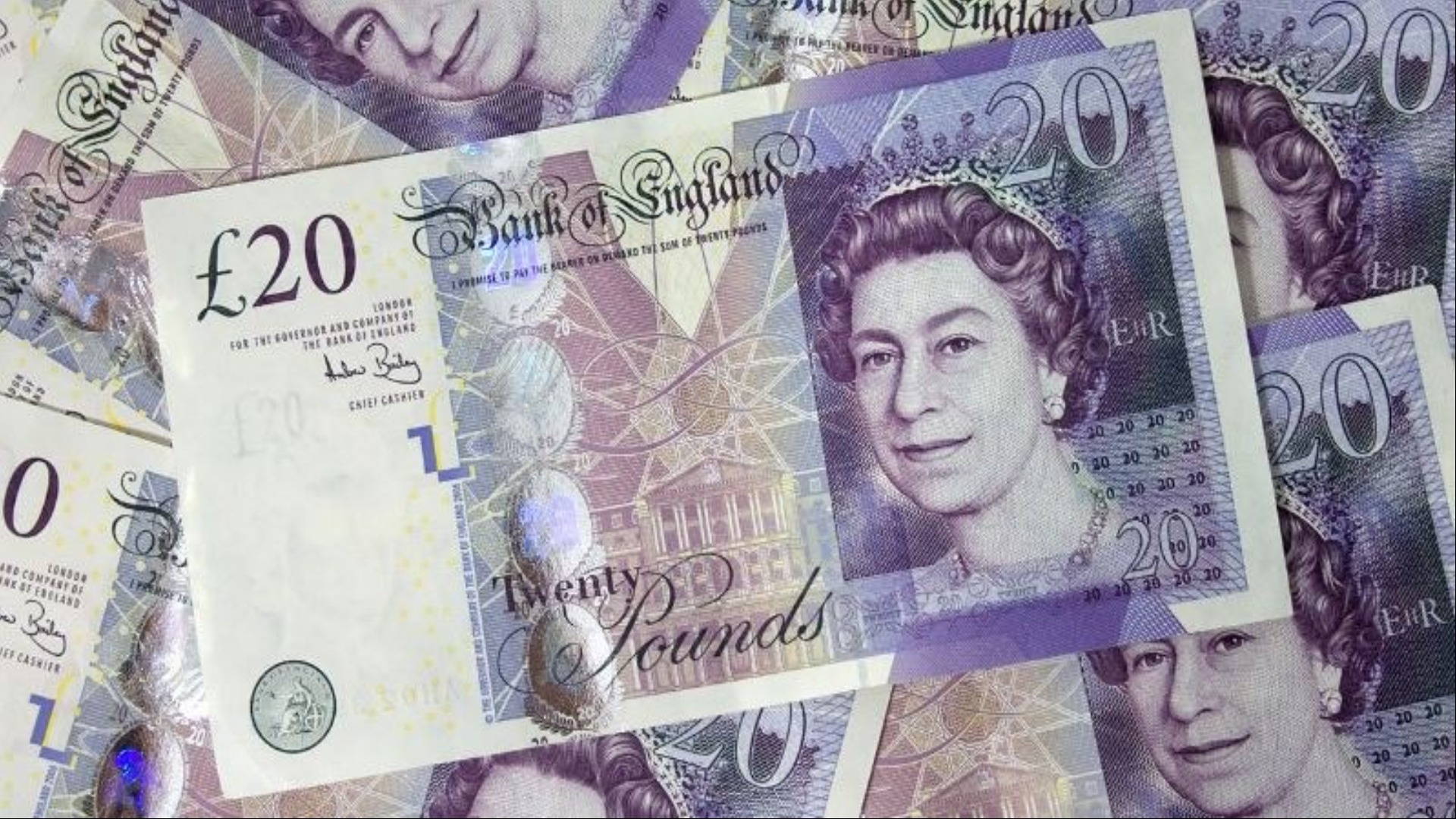
- After gaining over 1% past month, the British pound dropped 0.5% against the euro due to cooling UK inflation and wage growth
- Lowering expectations for Bank of England rate hikes narrowed the yield gap between the pound and euro, triggering recent short-term profit-taking
- Anticipation of a hawkish policy stance from the European Central Bank provided additional underlying support for the euro against the British pound
The British pound saw a significant monthly increase against the euro, rising over 1% to reach levels near 1.1800, last seen in mid-July. However, the pound has since given back some of these gains, falling about 0.5% in the last five trading days and moving back towards 1.1715. Understanding these movements offers valuable insight for market participants.
The Month’s Rally Explained
Two central banks did most of the heavy lifting here. In the Eurozone, June inflation cooled to 2.8%, reducing the likelihood of further interest rate hikes from the European Central Bank following their June increase to a 2.25% deposit rate.
Additionally, a more stable political environment in the UK under new leadership has boosted market sentiment and lessened previous concerns that had impacted the pound. Andy Burnham’s uncontested succession brought an end to the nation’s political uncertainty. This removed a risk premium previously built into the currency.
Why the Pound Lost Its Grip
The UK’s latest Consumer Price Index (CPI) report showed headline inflation slowing to 2.6% year-over-year in June, below market expectations of 2.7%. While core CPI held steady at 2.6%, the slower headline figures, combined with slowing wage growth, tempered investor expectations for immediate rate hikes from the Bank of England (BoE).
As the British pound struggled for direction, the euro gained support. Investors were positioning themselves ahead of the European Central Bank’s (ECB) latest monetary policy announcement. Expectations that ECB policymakers would maintain a hawkish stance helped the single currency stay resilient.
What This Means Going Forward
Looking ahead, the immediate focus will be on the ECB’s decision today and the BoE’s meeting on July 30. If the ECB maintains its current stance and suggests a potential September hike, it may not significantly affect the pound.
The BoE meeting, however, carries more weight. With a new Monetary Policy Report, the outcome could range from a cautious approach to signals of a potential rate increase, particularly as the number of dissenting votes favoring tighter policy has increased.

For the UK, slowing inflation combined with stable growth metrics suggests the BoE can prioritize economic stability without resorting to aggressive easing measures. This scenario could indicate confidence in the pound’s underlying strength, bolstered by the credibility of domestic policy.
In the Eurozone, persistent challenges related to energy costs and subdued growth forecasts highlight potential weaknesses, even with the ECB’s stated commitment to its 2% inflation target. The euro’s current softness relative to the pound may reflect investor preference for sterling, although both currencies face external pressures from global economic trends.
How Investors Might Position
With two significant central bank meetings occurring closely together, this period presents heightened uncertainty for investors, making substantial directional bets less advisable. Those with substantial sterling transactions or exposure due in the next two weeks should account for this increased event risk.
For investors with a longer-term perspective, the current trends, including a more cautious ECB and a BoE possibly moving towards tightening policy, may continue to favor the pound. However, that view should be held loosely until both decisions land.
Softer UK headline inflation of 2.6% and cooling wage growth lowered market expectations for imminent Bank of England rate hikes.
Anticipation of a hawkish rate hold by the European Central Bank provided support for the euro against the pound.
Investors should avoid large directional bets until both central bank decisions land; the medium-term uptrend looks intact but near-term volatility is elevated.