


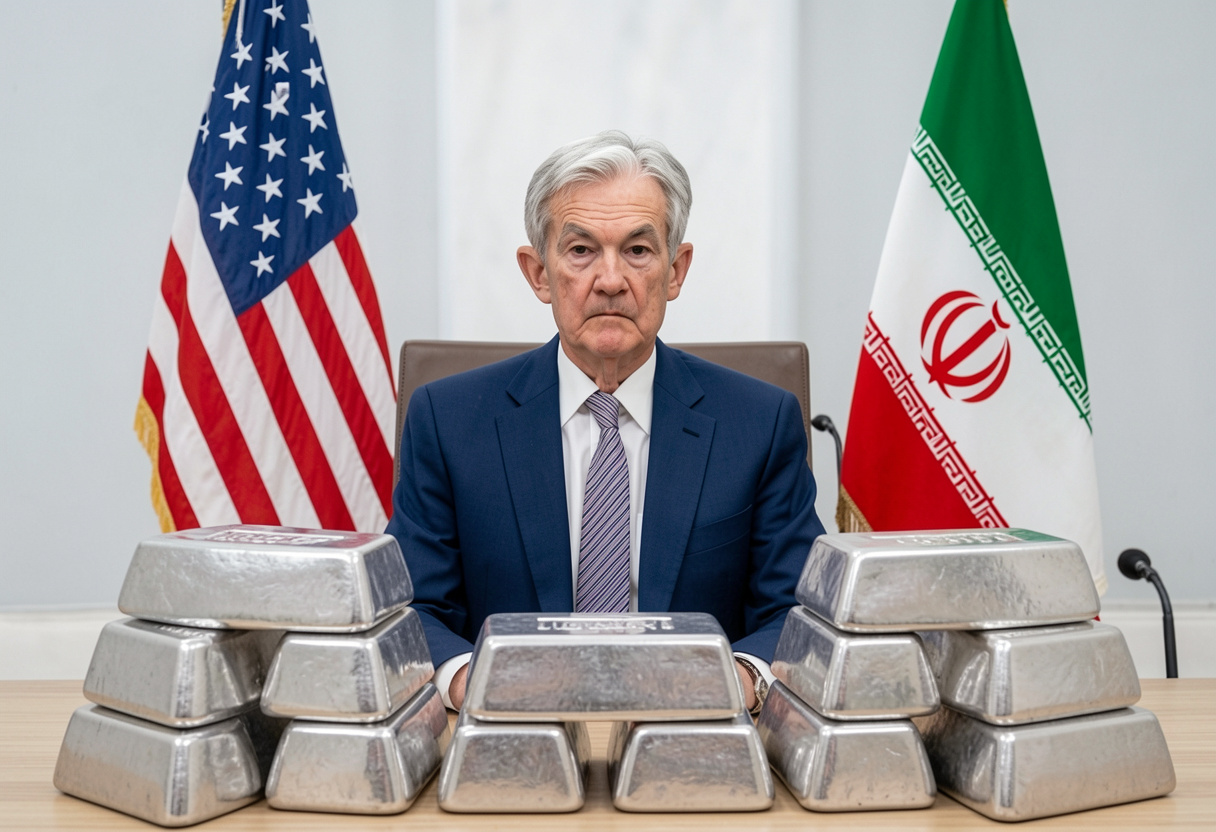
- Silver price has been trading sideways for the last two weeks, with a notable struggle to build upside traction above $78
- While the fundamental industrial demand remains stable, high prices pushed some manufacturers to reduce their silver uptake
- US monetary policy also holds sway, with higher-for-longer interest rates potentially pressuring prices
The precious metals market has been anything but boring this year, but right now, silver seems to be stuck in a holding pattern. Spot silver has traded sideways since May 20, 2026. This quiet period follows a sharp drop in mid-May, which reversed a significant portion of its earlier gains.
To make matters a bit more frustrating for market bulls, the metal has repeatedly struggled to build any meaningful momentum above the $78 per troy ounce mark. For investors who rode the exhilarating rally from the start of 2026, recent price action raises uncomfortable questions about whether the commodity’s remarkable outlook has fundamentally shifted.
Silver Price Drop From Parabolic Peak to the $78 Ceiling
The year began with genuine euphoria. Silver reached its all-time high of $121.636 on January 29, 2026, a dramatic surge that rewarded believers in the precious metal’s structural story. The narrative appeared compelling, featuring a persistent supply deficit, insatiable industrial demand from solar panels and electric vehicles, and safe-haven demand amid geopolitical tensions.
This initial surge was followed by a sharp 35% decline within a single trading session, its steepest one-day drop since 1980. Silver is now trading below its 50-day moving average of $77.92, which contributes to the difficulty in breaking past $78.
If the market can’t reclaim this level soon, short-term momentum traders might lose patience. This could trigger a fresh wave of selling, pushing prices toward the long-term 200-day moving average support at $66.00.
Industrial demand, meanwhile, remains robust, though it’s feeling the pinch of higher prices. Banking giant UBS recently lowered its mid-2026 silver price forecast to $85 per ounce. This downgrade happened because solar manufacturers are aggressively cutting the silver content in photovoltaic cells to protect their margins.

Still, the bullish view, while partly intact, has been significantly re-evaluated by macroeconomic reality. The real shift isn’t about physical supply fundamentals; it’s about monetary policy expectations. Silver amplifies precious metals cycles in that when real yields compress through Fed easing, silver typically outperforms gold by two to three times. The opposite holds true, too.
With rate cuts now pushed into late 2026 at the earliest, this leverage has temporarily reversed. Silver is currently underperforming gold as a result.
The Investment Perspective
The sideways trading zone, roughly between $75 and $85, could continue for some time, driven by opposing views. Those who anticipate a structural deficit see price dips as potential buying opportunities. Near-term traders are observing a market that awaits clarity on Fed policy before committing new capital.
While the short-term chart looks a bit defensive, the structural foundation supporting silver remains remarkably resilient. The long-term outlook has not fundamentally broken down. Rather, it has simply been re-calibrated.
Targets were trimmed because record-high prices forced solar cell manufacturers to thrift, reducing the volume of physical silver required for green industrial fabrication
UBS expects mostly sideways trading through the rest of 2026. Prices will likely move between $75 and $85 as various forces pull them in different directions.
Yes. If easing eventually occurs, resulting dollar weakness could be a significant catalyst, pushing silver toward previous highs eventually.