



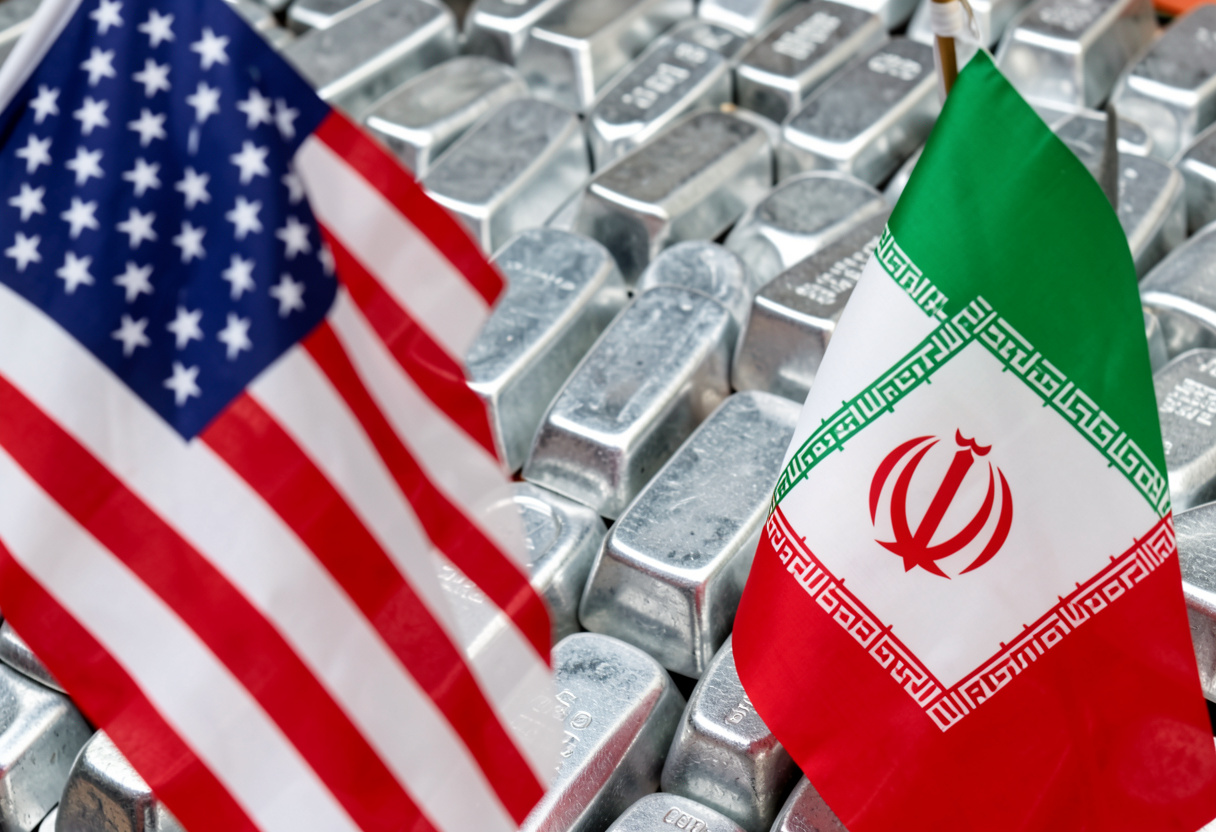
- Silver price rose to all-time highs of $121 in January amid upbeat forecast on demand versus presumed supply shortages
- High US treasury yields and a strong US dollar have meant that safe haven metals have become less attractive
- Despite the current performance there remains robust forecasts among some analysts, with J.P. Morgan's average at $81 for the year
Silver entered 2026 with strong momentum driven by tight supply and industrial demand, but the market shifted significantly after the metal reached a high of $121 dollars per ounce in January. By mid-year, prices dropped roughly 46% to around $64.83 as the Federal Reserve updated its projections to include potential rate hikes. This decline has led to a debate over whether the earlier price surge was supported by market fundamentals or driven by speculation.
Macroeconomic Headwinds Subdue Silver
The main reason for this drop is a shift in what people expect from central banks. Earlier this year, most people thought interest rates would stay the same or even go down. However, inflation hasn’t gone away, and that changed the plan.
With Kevin Warsh now serving as the Fed Chair, the central bank has taken a much more aggressive approach toward raising rates. Some institutions, like Bank of America, are now predicting as many as three rate hikes before the year ends.
The logic here is simple. Silver doesn’t earn any interest or dividends. When government bonds start offering better returns, holding silver becomes more expensive because you’re missing out on those guaranteed gains. As the Fed moved toward raising rates, the math shifted, and investors started moving away from precious metals in favour of the dollar.
What Does This Tells Us About the Global Economy?
Beyond monetary policy, silver’s industrial demand profile highlights broader economic trends. The numbers are sobering. Silver demand from PV producers dropped 6% in 2025, to 186.6 million ounces. It’s then projected to fall another 19% in 2026, landing around 151 million ounces. This is silver’s largest industrial application, and its shrinking use warrants serious attention.
Silver paste makes up 10% to 20% of solar cell costs, making it a significant expense for manufacturers currently dealing with overcapacity and narrowing profit margins.

Things Could Change in Q3
Despite the current lows, the physical market balance suggests a different long-term outlook. The Silver Institute reports a projected supply deficit of 46.3 million ounces for 2026, marking the sixth consecutive year where global consumption exceeds mining output.
Analysts at J.P. Morgan maintain an optimistic forecast, with price targets averaging around $81 for the year. A recovery could occur in the third quarter if inflation data softens or if physical supply constraints exert more pressure on the market.
Investors should monitor upcoming PMI releases, trade policy updates, and solar/EV sector reports for directional cues. While a return to January’s peak is unlikely in the short term, the structural supply deficit provides a basis for price stabilization and a gradual recovery, assuming global economic growth remains steady.
The recent decline in silver prices can be attributed to a strengthening U.S. dollar, a shift in Federal Reserve policy toward higher interest rates, and profit-taking following the January rally
Yes, structural market deficits and green energy needs underpin bullish forecasts despite near-term volatility.
Whether silver recovers in the third quarter of 2026 will largely depend on whether inflation cools sufficiently to reduce the need for further interest rate increases.