


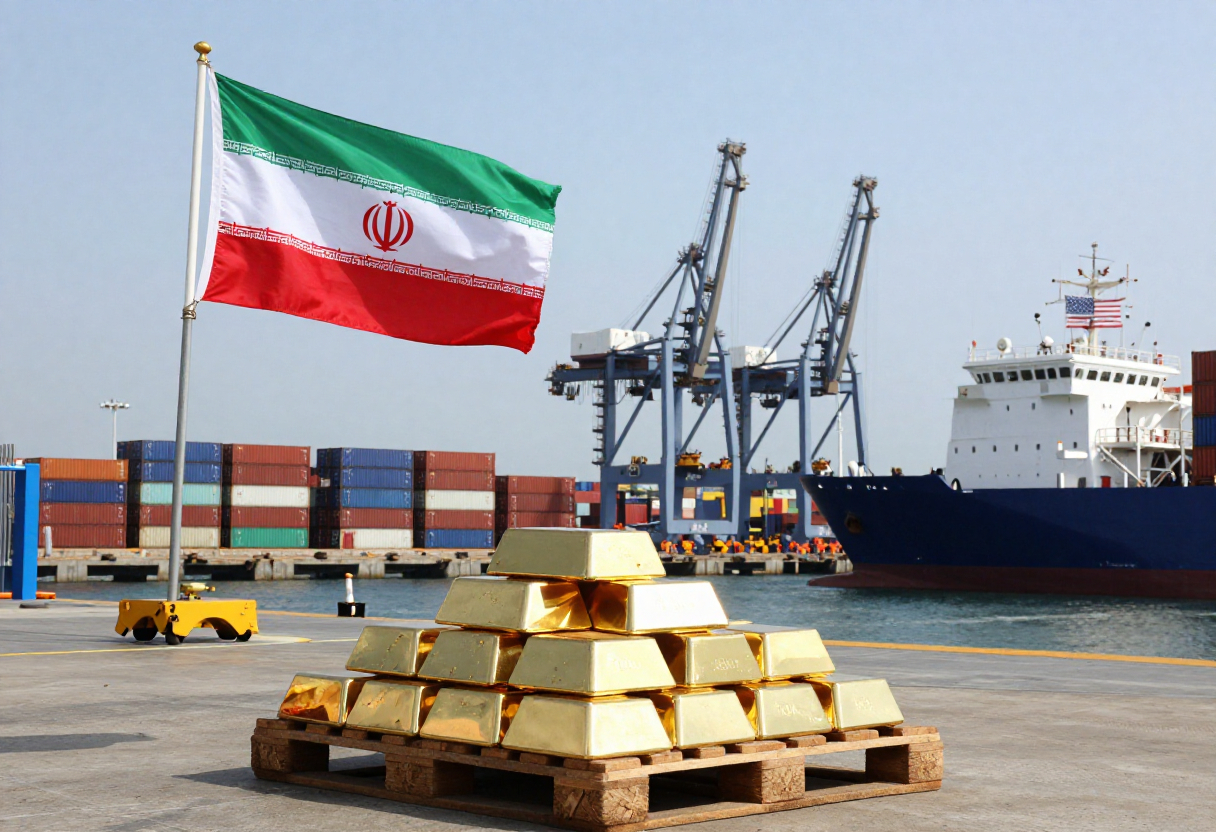
- The dollar index has been swinging between 101.6 nd 101.8 in recent days, going against reduced safe haven demand for the US dollar
- With US PCE inflation at 4.2% in May, FOMC officials signal at least one more interest rate hike in 2026, translating to sustained yield divergence
- Resilient US economy and forecast-beating NFP jobs numbers have added confidence in holding on to the greenback
It seems counterintuitive, doesn’t it? The Strait of Hormuz has reopened and oil prices have dropped about 20% from their 2026 highs, yet the US dollar is still moving up. The US Dollar Index has been hovering near its one-year high lately, around 101.6 to 101.8.
Usually, when tensions in the Middle East cool down, people stop buying the dollar as a safe haven, but that hasn’t happened this time. This contrarian move raises questions about the drivers behind dollar strength and what it implies for the remainder of 2026.
The Fed Flips the Script
The current rally is largely driven by the interest rate gap between the US and other global markets. While investors previously expected a series of Federal Reserve rate cuts this year, the policy outlook has changed. On June 17, 2026, Federal Reserve Chair Kevin Warsh maintained interest rates at 3.50 to 3.75% but provided a hawkish outlook.
The updated dot plot indicated a median funds rate of 3.8% by the end of the year, suggesting a rate hike remains possible. This is a shift from three months ago, when projections favored at least one rate cut in 2026. Currently, half of the FOMC officials project at least one 25 basis point increase by year end. Markets now reflect a 68% probability of a rate hike in September, compared to 29% just one week earlier.
Economic Vitality Drives Divergence
Even though global risks are fading, people aren’t selling their dollars because the US economy is still performing better than its peers. It is difficult to move away from a currency when the underlying economy is doing well.

The recent data has been very strong. For example, the May non-farm payrolls report showed 172,000 new jobs were added, which was significantly higher than the 85,000 jobs that analysts had predicted, as reported by Barchart.
What This Means for the Rest of 2026
With US inflation at 4.2%, a reversal in dollar strength appears unlikely without a specific economic trigger. Forecasts suggest the Dollar Index will likely trade between 102 and 105 from July through October, with a potential softening toward the end of the year if inflation slows.
The Federal Reserve meeting on July 29 and upcoming inflation reports will be key indicators for the market. If US growth remains steady while other central banks lower their rates, the dollar will likely maintain its current support. However, sustained regional stability and narrowing interest rate differentials could gradually impact these gains.
Strong U.S. economic data and a less dovish Fed outlook outweigh reduced safe-haven demand.
The job growth of 172,000 doubled forecasts, proving economic resilience and forcing traders to erase bets on near-term central bank rate cuts.
Higher US interest rates make dollar-denominated assets more attractive to global investors, drawing capital inflows that boost demand and value of the currency.