


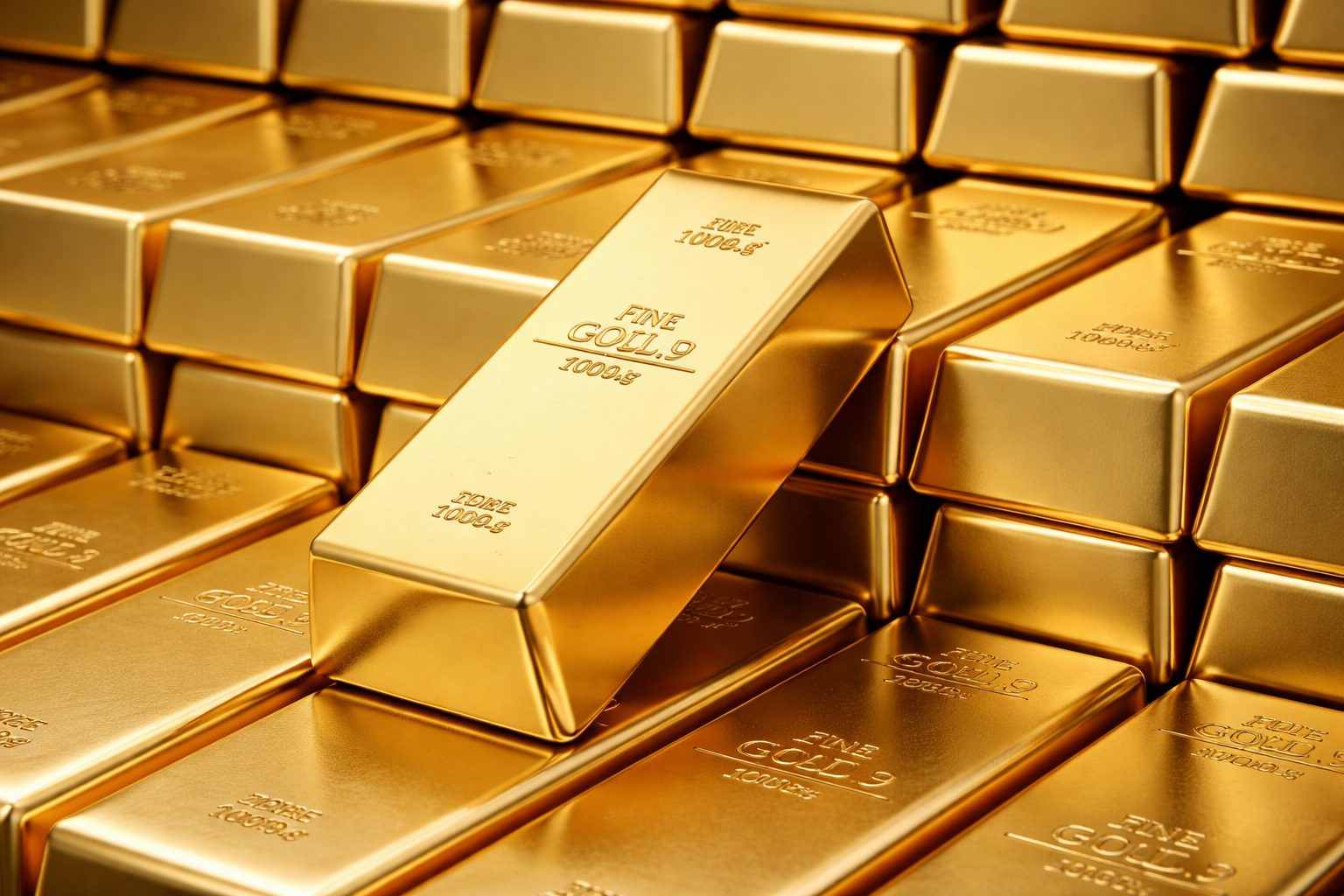
- Gold prices remain range-bound as easing Iran-US tensions offset safe-haven demand.
- Federal Reserve rate hike expectations continue to pressure bullion markets.
- Traders are watching upcoming US inflation and consumer confidence data for the next major gold price move.
Gold prices remained relatively steady on Tuesday as investors balanced easing geopolitical tensions in the Middle East against growing expectations that the US Federal Reserve could keep interest rates higher for longer.
Spot gold traded near $4,570 in early market activity after recovering from last week’s decline. Traders are closely watching developments surrounding Iran-US negotiations, oil price movements, and upcoming US economic data that could influence the Federal Reserve’s next policy decision.
Why Gold Prices Are Staying Range-Bound
Gold has struggled to build strong upward momentum despite ongoing geopolitical uncertainty. Analysts say the market is currently caught between two competing forces: safe-haven demand and rising interest rate expectations.
On one hand, investors continue to seek protection from geopolitical risks and inflation concerns. On the other, higher US Treasury yields and a stronger dollar are limiting gold’s appeal. The precious metal often performs well during periods of uncertainty, but elevated interest rates increase the opportunity cost of holding non-yielding assets like gold.
Iran-US Talks Ease Oil Market Fears
One of the biggest drivers influencing gold this week has been renewed optimism surrounding diplomatic discussions between Iran and the United States. Reports indicate both countries are exploring a temporary agreement that could reduce tensions around the Strait of Hormuz and potentially support a short-term ceasefire in Lebanon. The possibility of easing regional tensions helped push Brent crude oil prices lower.
Lower oil prices tend to reduce inflation pressures globally, which can lessen the urgency for central banks to continue aggressive monetary tightening. That dynamic has offered some support to gold prices. However, traders remain cautious. Any setback in negotiations involving sanctions relief, uranium enrichment, or regional security could quickly revive safe-haven demand for gold.
Federal Reserve Rate Expectations Continue to Pressure Gold
Despite softer oil prices, the Federal Reserve’s stance on inflation remains a major obstacle for gold bulls. Federal Reserve Governor Christopher Waller recently suggested that another interest rate hike remains possible if inflation does not cool further. His comments reinforced market expectations that rates could stay elevated well into the year.
Markets are currently pricing in the possibility of another quarter-point increase before year-end. Higher interest rates typically strengthen the US dollar and increase bond yields, both of which tend to weigh on gold prices.
Investor Demand for Gold Shows Signs of Weakness
Recent market positioning data also points to growing caution among institutional investors. According to the latest Commodity Futures Trading Commission figures, money managers reduced bullish gold positions during the week ending May 19. Net-long exposure dropped to its lowest level in three weeks, signaling weaker speculative confidence.

At the same time, holdings in gold-backed exchange-traded funds continued to decline, suggesting softer institutional demand despite ongoing geopolitical uncertainty. Still, analysts note that long-term support for gold remains intact due to persistent inflation concerns, rising government debt, and broader global economic instability
Gold Price Outlook: Key Levels to Watch
In the short term, analysts expect gold prices to remain volatile but largely range-bound.
Support for spot gold is currently seen near the $4,500 level, while resistance remains around $4,670. Upcoming US inflation data and consumer confidence reports could play a major role in determining the next directional move.
If inflation remains stubbornly high, expectations for tighter monetary policy could pressure gold further. However, any escalation in geopolitical tensions or signs of economic weakness may quickly revive demand for safe-haven assets.
Conclusion
Gold prices are currently being pulled in opposite directions by easing geopolitical tensions and persistent concerns over US interest rates. While optimism surrounding Iran-US talks has reduced some safe-haven demand, uncertainty around inflation and Federal Reserve policy continues to keep investors cautious.
For now, the gold market appears stuck in a holding pattern as traders wait for clearer signals from both global politics and the US economy. Volatility is likely to remain elevated in the coming weeks.
Gold prices are holding steady because investors are balancing easing geopolitical tensions with expectations that the Federal Reserve may keep interest rates higher for longer.
Yes. Gold could move higher if geopolitical tensions escalate, inflation remains elevated, or economic data weakens significantly.
Gold does not pay interest, so higher rates make interest-bearing assets like bonds more attractive to investors.