


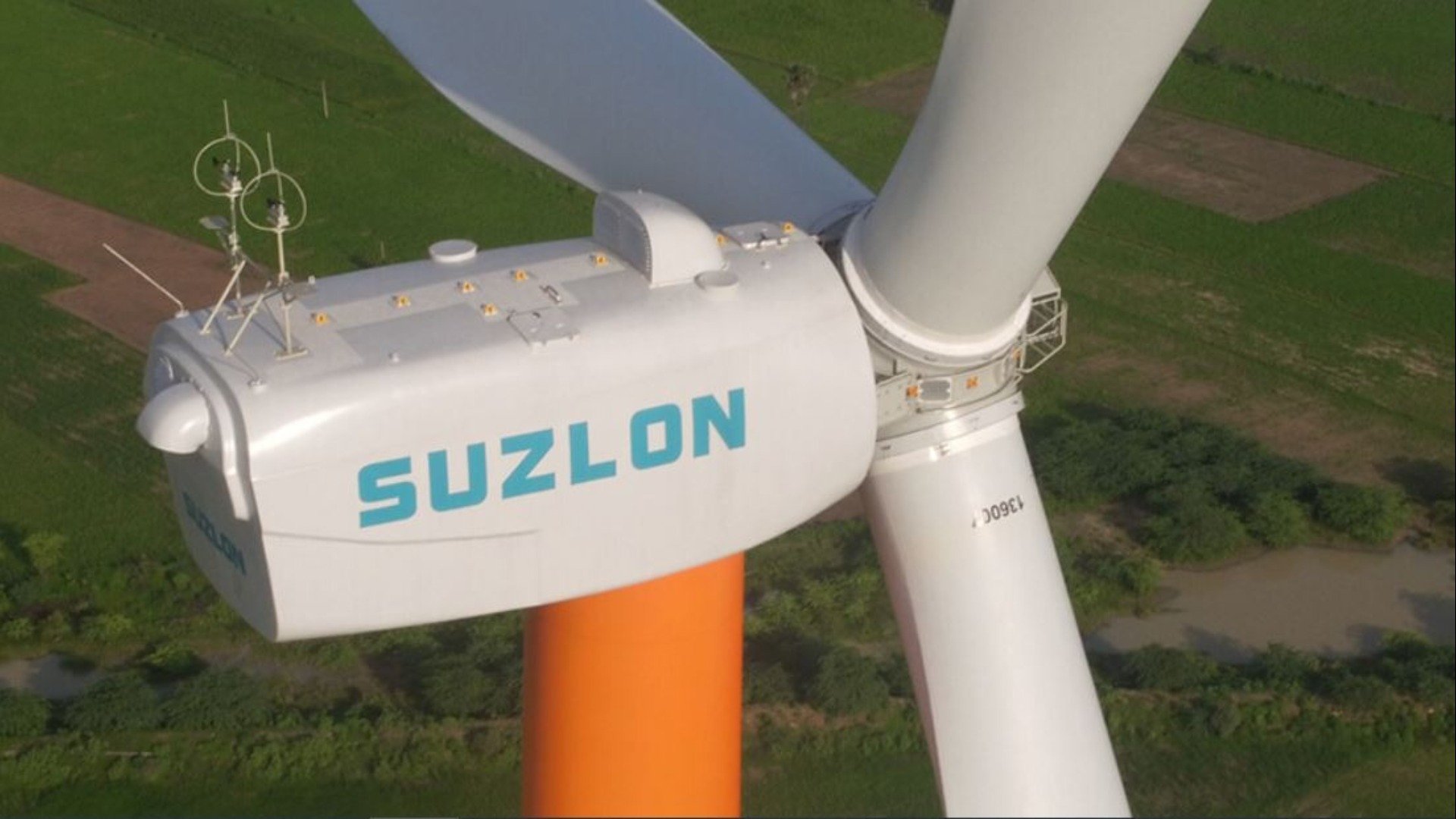
- Suzlon Energy shares fell after failing to break past technical overhead resistance at ₹42, giving back gains from a seven-session rally
- Despite trading down 26% year-to-date, Suzlon still has a healthy net-cash balance sheet and a strong multi-gigawatt clean energy order book
- Long-term investors might see this correction as an accumulation opportunity, given brokerage targets and growth visibility. However, near-term volatility and upcoming results call for caution.
Suzlon Energy stock price has fallen this week, reversing gains from last week’s seven consecutive positive trading days. After hitting new year-to-date lows near ₹36.30, the stock pulled back sharply around the ₹42 resistance level. That move brought selling pressure right back.
Shares have dropped approximately 25-29% year-to-date and over 10% in the past month. Investors are now considering what’s really driving this and how healthy the company’s finances are.
The current stock price is about 36% below its 52-week high of ₹61.50. The key question is whether this price point represents a buying opportunity or a warning sign.
What is Troubling the Stock?
A few things appear to be influencing market sentiment. First, there’s been significant profit-taking after a multi-year recovery. The ₹42 level itself marks a significant technical supply zone. It sits just below nearby resistance at ₹42.50, and the 50-day moving average is around ₹43.50.
When a stock’s rally can’t hold above its 50-day average, that often leads to selling. Therefore, as the stock neared this resistance, short-term traders and institutional investors took the chance to lock in profits.
The momentum buying that once drove gains has now shifted to a more cautious stance. This is partly because valuations are now compressed, and wider market shifts are affecting mid-cap renewable energy companies.
Second, execution concerns remain even with a strong order backlog. Even though Suzlon hit record quarterly volumes, like its highest-ever Q1 deliveries of around 506 MW, investors are still watching project timelines closely. Delays in land acquisition, grid connections, or supply chain problems within the Indian wind sector often prompt short-term profit-taking.
Furthermore, supply chains have experienced notable disruptions. Management indicated that geopolitical tensions in the Middle East have postponed 10% to 20% of deliveries to later quarters. Broader industry dynamics, including competition in the turbine supply market, add to the overall uncertainty.

How Shaken Are the Underlying Fundamentals?
Even with a 26% price drop this year, Suzlon’s balance sheet looks much steadier now than when it was deep in debt. After successfully restructuring debt and issuing equity in recent quarters, the company’s balance sheet is now net-cash positive. The financial troubles it faced a decade ago are mostly gone.
By the end of FY27’s first quarter, Suzlon’s order book stood at roughly 5.9-6.1 GW. That gives them a clear revenue outlook for several quarters ahead. Brokerages such as Motilal Oswal (with a “Buy” rating) forecast that Suzlon could deliver about 3.3 GW in FY27, a 35% jump from last year.
They also estimate an EBITDA compound annual growth rate of around 22% through FY28, thanks to better execution and stronger domestic demand.
Does It Make Sense to Buy the Dip?
Long-term investors thinking about buying Suzlon Energy stock should first carefully weigh their personal risk tolerance.
Even though the company’s financial base is stronger than before, jumping in right after a technical price rejection at ₹42 carries short-term market momentum risks.
The stock price also dipped below its 20-day moving average, currently around ₹40.70, a slightly negative sign. A sensible strategy might be to buy in phases.
Investors have been cashing in profits as the stock hit technical resistance near Rs 42, and there are some concerns about the pace of project execution relative to the order book. These things sparked the reversal and have extended the selling.
Suzlon’s order book is currently about 5.9-6.1 GW. This large pipeline gives them clear revenue for many quarters and supports their planned delivery growth through fiscal year 2028.
After years of paying down debt, Suzlon now has a net cash position. The company also has healthy return ratios, which puts it in a better spot to bid for bigger projects.