


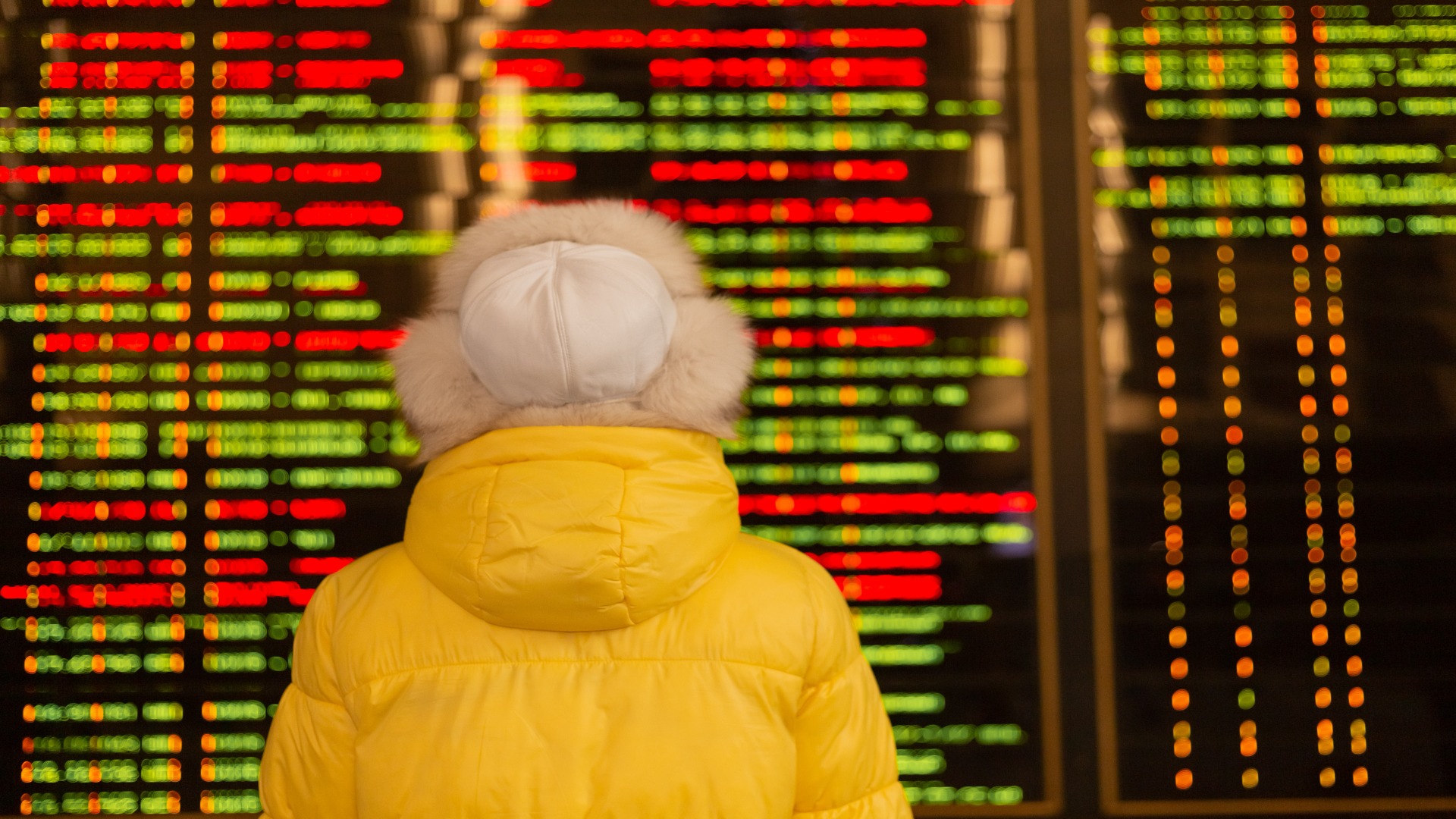
- The KOSPI lost more than 16% last month, hit by significant foreign selling and worries about AI stock valuations
- Even though the Bank of Korea raised its 2026 economic growth forecast to 3.9%, its decision to hike interest rates to 3.25% and signal further increases really weighed on stocks
- The KOSPI's year-end showing will mostly come down to whether semiconductor demand picks up, how foreign investors move their money, and if those AI investment worries finally calm down enough to steady the market.
South Korea’s KOSPI index has had quite a ride lately, falling over 16% this past month and continuing a decline that began in mid-June. After Wednesday’s hefty 6.16% drop, which left it near its lowest close since January, the index edged up just 0.29% on Thursday, closing at 4,711.21.
Yet the market has shown flickers of life, with brief upticks often sparked by good semiconductor news or institutional buying. But is the worst over?
Is the Worst Over for the KOSPI?
The index is nearing deeply oversold territory, but market volatility seems likely to persist. The KOSPI’s sharp drop Wednesday, followed by a partial rebound Thursday morning, shows just how volatile things are.
According to Chosun Daily, foreign investors reportedly sold about 1.9 trillion won in one recent trading session. This selling appears linked to ongoing concerns about how long AI-related spending can truly last.
Some analysts predict a drop to around 4,200-4,300. However, significant buying by institutional investors on Thursday (750.9 billion won), plus potential government market support, might prevent a long downturn. Market sentiment right now suggests panic selling could be easing, even if the core problems aren’t fully fixed.
What the Bank of Korea’s Latest Rate Decision Signals
The Bank of Korea hiked its benchmark interest rate by 25 basis points today, pushing it to 3.25%. That’s its highest level since late 2024. This move, which many expected after an October pause, also came with a significant bump in growth forecasts.
They now project 3.9% for 2026 and 4.1% for 2027, the most optimistic outlook seen in years. This improvement largely comes from strong semiconductor export growth, fueled by AI advancements.
But higher interest rates mean a bigger discount rate for future corporate earnings. That consistently challenges the valuations of heavily weighted tech companies, even with robust domestic economic growth.
Factors Shaping KOSPI Performance Toward Year-End
KOSPI’s performance will mostly depend on global AI investment trends. South Korea’s economy runs on its semiconductor sector, which also makes some investors nervous about a market peak. A slowdown in global AI spending could really hurt the exports currently holding up the economy.
How foreign investors behave is another big factor. Their consistent selling has really driven the market’s long decline. If they start buying again and stick around, that’d offer genuine support. Otherwise, continued money leaving the market will just keep prices falling.
Finally, policy responses are a big deal. Authorities have hinted they are ready to step in with measures to stabilize things if the market gets too choppy. Plus, semiconductor earnings are still strong, even after recent share price dips.
So, investors watching the KOSPI shouldn’t just focus on daily price changes. They really need to think about how semiconductor demand, capital flows, and policy signals all play off each other.
Foreign investors selling shares caused the KOSPI to fall. This sell-off began with worries about artificial intelligence valuations worldwide, plus tighter monetary policy at home.
Consistent buying from foreign investors would really help after months of heavy selling. But if money keeps flowing out, the index will likely stay under pressure.
Yes, valuations show the KOSPI is in oversold territory. This will likely keep attracting domestic institutional buyers, making a sharp collapse less probable.