



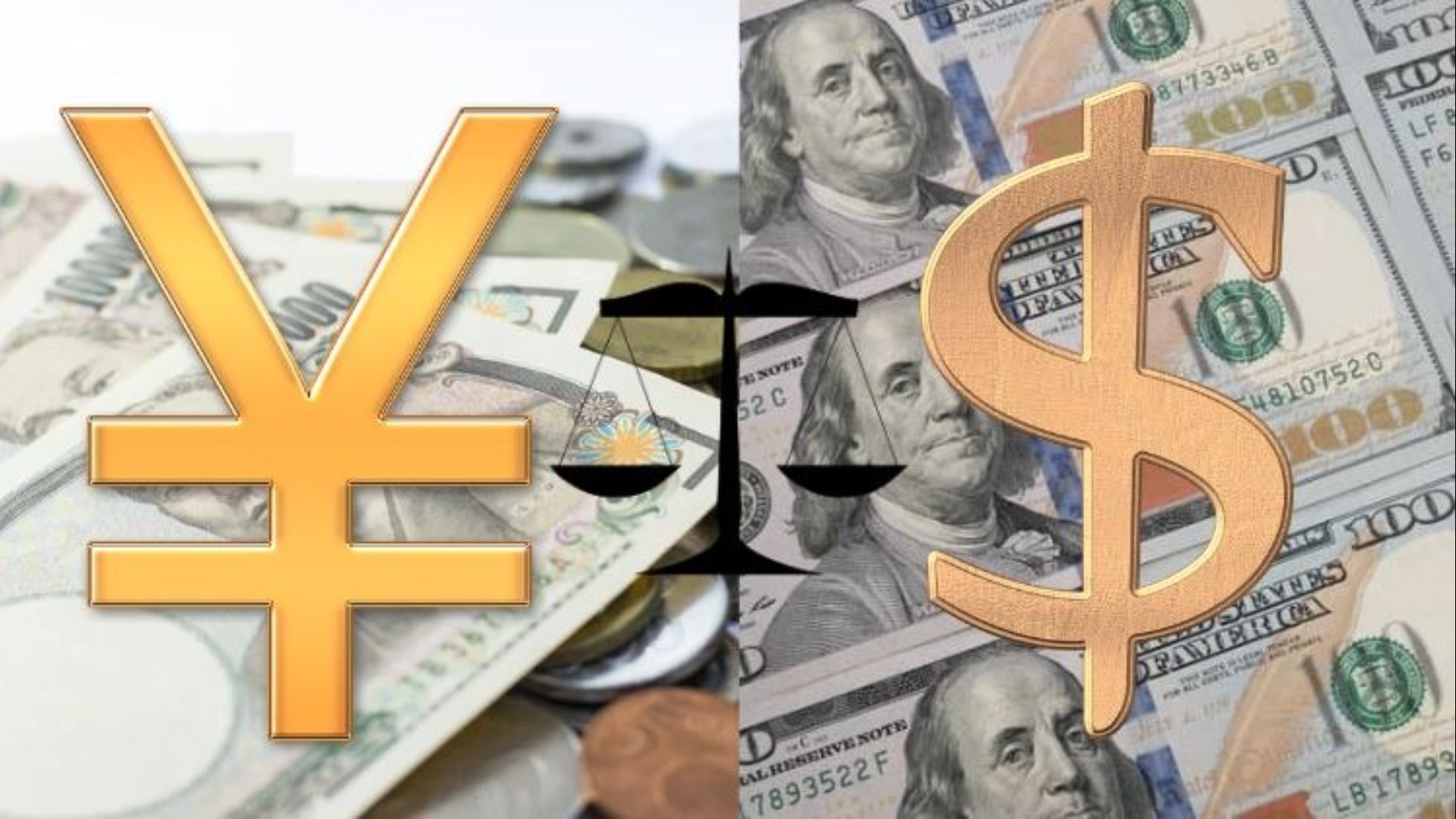
- USD/JPY hit a four-decade high near 162.7 as wide US-Japan rate differentials fuel carry trades, overpowering falling oil and eased geopolitical risk
- Massive interest rate differentials between the Federal Reserve and the Bank of Japan continue to drive lucrative yen-selling carry trades
- The BoJ isn't failing outright, but gradual tightening leaves it outpaced by the Fed, keeping intervention risk elevated
On July 1, 2026, the US dollar reached its highest level against the Japanese yen since 1986, breaking through the 162.50 resistance level. This movement reflects the significant macroeconomic differences between the US and Japan. Things took a small breather today, though, with the rate dipping about 0.15% to around 162.70. Traders seem to be playing it safe while waiting for the latest US jobs report.
Still, the scale of the recent moves raises a fair question on why the dollar is this strong against the yen when oil prices have been declining and geopolitical tensions have eased.
Interest Rates, Not Oil, Are Driving This
The simple truth is that interest rates are currently the only thing that really matters. The massive difference between borrowing costs in the US and Japan is putting a ton of pressure on the yen. While the Federal Reserve looks set to keep its rates high, the Bank of Japan is moving very slowly toward normalization.
This gap keeps the carry trade alive, where investors borrow cheap yen to buy US assets that offer much better returns. Even with global inflation settling down, the US economy is showing enough strength that most people have given up on seeing any rate cuts in 2026.
While oil and geopolitics are part of the conversation, they aren’t the main drivers right now. In fact, Japan’s need to import almost all its energy actually hurts the yen. A long-term trade deficit tied to these energy needs keeps the currency weak, even when oil prices aren’t through the roof. At the same time, the dollar is still the go-to safe haven, and rising US Treasury yields are giving it even more momentum.

Are the Bank of Japan’s Policies Failing?
Retail investors are naturally asking why Japan’s recent policy changes haven’t stopped the bleeding. Even though the Bank of Japan raised its benchmark rate to 1.0% in June, which was the highest in over 30 years, it wasn’t enough to protect the yen.
The hike was just too small to compete with the returns available in the US. Officials in Japan have warned they might step in to help the currency. However, history suggests that these kinds of interventions usually only provide a short-term fix rather than fixing the underlying structural issues.
What This Means for the Outlook
The current dip in the USD/JPY pair appears to be a result of traders adjusting their positions before the upcoming jobs data rather than a shift in the overall trend. Technical indicators show the pair is trading above its 20-day moving average, though a Relative Strength Index reading above 76 suggests the market may be overbought and due for a pause. The upcoming jobs report will likely clarify whether the dollar will continue its rise or undergo a more substantial correction.
The interest rate gap between the US and Japan, along with demand for carry trades, currently exerts more influence on the currency pair than energy prices or geopolitical factors.
Market participants are adjusting their portfolios and waiting for the June US employment data to establish a clearer direction for the pair.
The increase was not large enough to close the yield gap with the US, meaning the incentives for selling yen in favor of higher-yielding assets remains in place.