


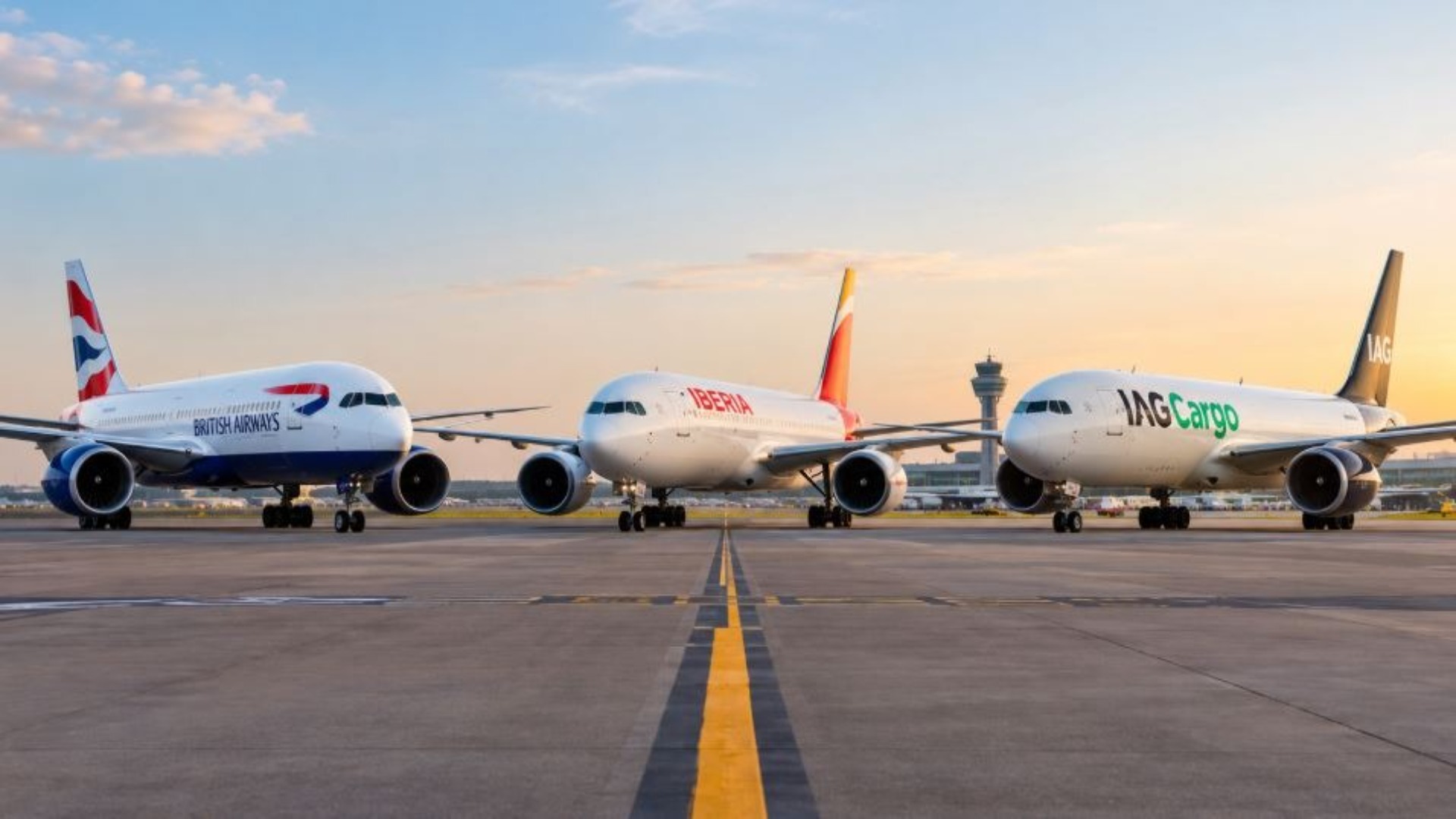
- IAG shares fell over 10% last month. Meanwhile, oil prices are now on track for their fourth straight monthly gain, mostly because of Middle East tensions
- Beyond fuel costs, the group faces route disruptions, intense European competition that limits fare increases, and only partial recovery of higher expenses
- A three-year run of gains by IAG share price could end, but that's not definite yet. If oil prices calm down, modest valuations might provide some upside, though bigger drops remain a risk.
International Consolidated Airlines Group (IAG), the parent company of British Airways, Iberia, and Aer Lingus, has seen its share price fall more than 10% over the past month. After reaching an early October high of around 441p, it’s now trading closer to 394p.
For an asset that delivered three consecutive years of strong equity gains following post-pandemic recovery, investors are now questioning whether IAG’s annual winning streak is coming to an end.
Fuel Costs Dominate the Immediate Outlook
Fuel costs are a big factor in IAG’s immediate future. Jet fuel is a major expense for airlines, and even with hedging strategies, rising crude oil prices mean higher fuel bills.
International Air Transport Association (IATA) reports average jet fuel prices at just above $187 per barrel, roughly 108% higher than last year. IAG expects its fuel costs for 2026 to hit between €8.3 billion and €8.6 billion. The company aims to recover about 60% of these expenses through higher fares and better operations. It’s also hedged about 70% of its 2026 fuel costs, giving it an edge over some US rivals. Even so, worries remain for the year after.
Bank of America points out that 2027 jet fuel price projections are well above their forecasts, and the hedges protecting 2026 costs won’t last forever.
IAG’s already tweaked its capacity plans, now expecting a flat outlook for this year instead of its earlier growth goal. That’s because the Middle East conflict has affected flight routes and added costs. Fuel and emissions charges jumped in the first half of the year, and it looks like the third quarter will see even more strain.
Is IAG Stock’s Three-Year Winning Streak Coming to An End?
Rising fuel costs are a tough problem, but it’s probably too soon to say IAG’s three-year streak of annual share price gains is over. Even with a recent 10% drop, the stock has still done well over the past few months.
Jet fuel typically accounts for roughly 25% to 30% of an airline’s operating expenses. Therefore that means sharp price increases directly squeeze profit margins. IAG, though, actively hedges, locking in a large chunk of its fuel needs at set prices.

Should Middle East tensions ease and oil prices drop, unit costs would likely improve, and capacity could free up. But if fuel prices stay high or routes become more restricted, we might see a full-year share price decline.
There’s More to the Decline Beyond Oil
Several other factors are pushing IAG share price down lately. For example, route disruptions and extended flight paths lead to higher fuel consumption and insurance costs.
Intense competition on short-haul European routes, especially in Spain, means the company can’t fully pass on higher costs to customers through ticket prices. IAG management expects to recover about 60% of additional fuel costs via pricing and efficiency gains, a lower percentage than some rivals achieve.
High inflation in the UK and higher interest rates in Europe are squeezing household travel budgets, and that could potentially cut demand for long-haul economy seats.
In addition, ongoing air traffic management delays across European airspace complicate operations and result in direct customer compensation payouts and higher crew expenses.
Investors are eagerly awaiting IAG’s third-quarter results whose release is set for November 6th. They will likely pay more attention to forward booking trends, management’s take on fuel costs, and details of the company’s 2027 hedging position than to the reported profit figures themselves.
Higher oil prices and Middle East tensions have driven up jet fuel costs and led to route disruptions. This pressure on profit margins means the airline group is rethinking how many flights it can run.
When crude oil gets more expensive, so does jet fuel, which is a massive cost for the company. While hedging can soften the blow in the short term, prolonged high prices still eat into profits and slow down their plans for expansion.
The company’s performance this year is already in the red. If oil prices remain elevated, that could certainly end the streak. But if tensions ease or demand really picks up, they might still see a recovery.