


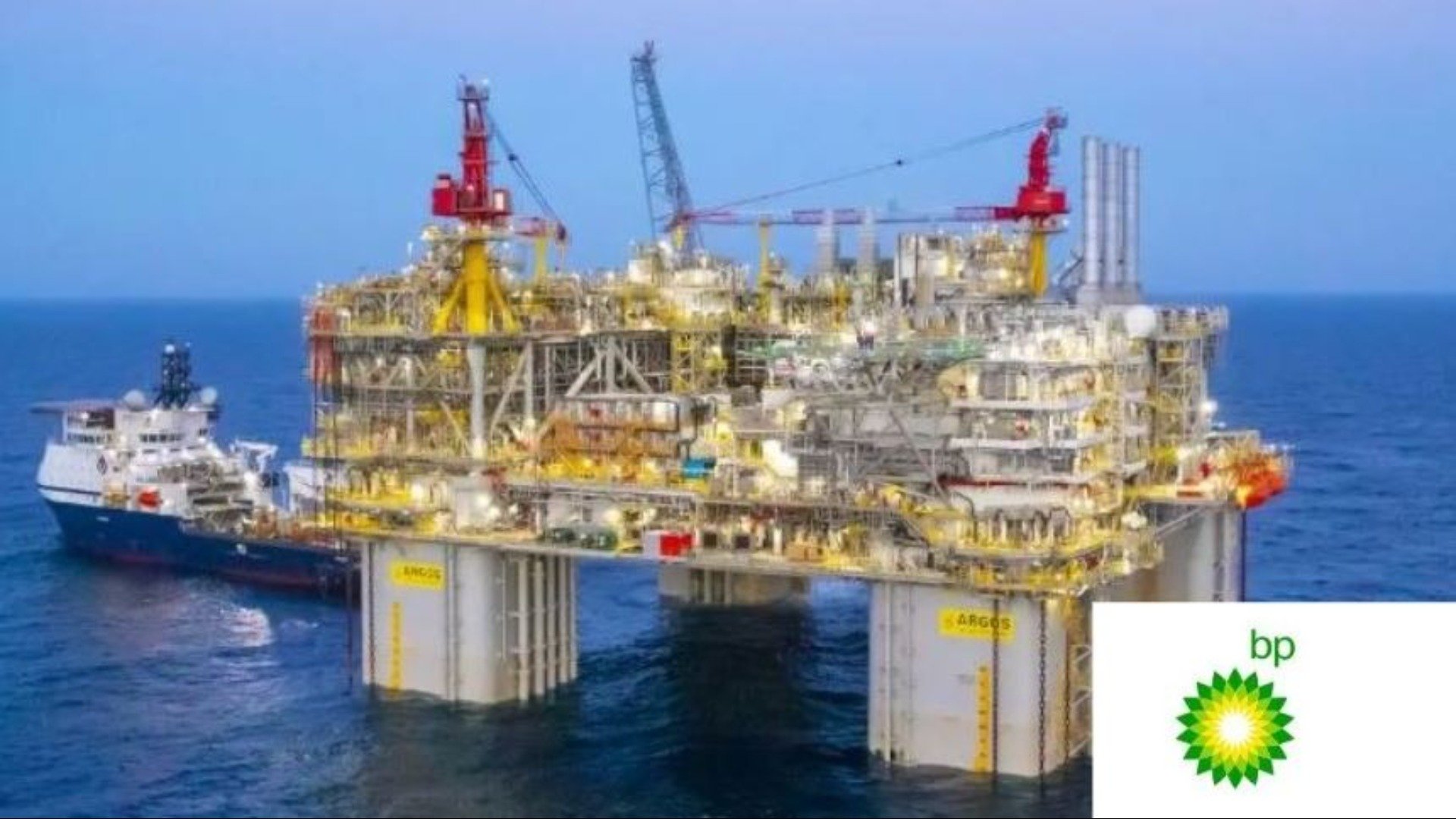
- BP stock broke past 520p following a strong Q2 trading update that projected higher refining margins and significant debt reduction
- Its margins averaged $29.60 per barrel in the second quarter, nearly doubling the $16.90 margin recorded during the first quarter
- The reignition of US-Iran military strikes has sent oil prices higher, favouring further gains by BP share price
BP PLC (LSE: BP.) share price rose above 520p today, reaching a high of 521.5p at the London Stock Exchange. This marks a significant recovery, bringing the oil company’s stock price back to levels not seen since mid-June. Investors will be assessing whether this upward trend is sustainable or a temporary reaction to recent developments in the Middle East.
Stronger Margins and Falling Debt Provide Fuel
The primary driver for today’s share price increase is BP’s recently issued second quarter 2026 trading statement. The report indicated a strong financial performance, despite some operational challenges the company encountered.
Also, the update indicated increased fuel volumes due to seasonal demand and improved refining margins. Its margins averaged $29.60 per barrel in the second quarter, nearly doubling the $16.90 margin recorded during the first quarter. Realized refining margins are projected to increase by $1.2–1.4 billion compared to the previous quarter.
Additionally, BP anticipates its net debt will decrease to $22–23 billion by the quarter’s end, following the redemption of €2.5 billion in perpetual hybrid bonds and the settlement of further liabilities related to the Gulf of America incident. These actions demonstrate tangible progress in addressing the balance sheet issues that have impacted the stock’s performance.
The company did mention about $1 billion in losses related to its gas and low-carbon energy division because it’s shifting focus back to oil and gas. However, it seems the market saw this as a required move for the strategic change, not a bad sign.
The second driver is external, and arguably larger. Oil prices have shot up again because tensions between the US and Iran have escalated. Prices had gone back to what they were before the conflict after a memo in mid-June, but now they’re about 9% higher than before the US and Israel first struck Iran in late February. This is due to new strikes and attacks on ships in the Strait of Hormuz.

Is This Quarter Set Up to Continue the Trend?
Investors should be a bit careful here. BP’s stock had been trading below its key moving averages for weeks. Technical analysts called recent upticks oversold rallies that didn’t have real backing. This background is important: some of this stock movement might just be short sellers covering their positions and people shifting their investments, not a lasting improvement.
Analysts are divided, but most seem cautiously optimistic. Morgan Stanley recently repeated its Buy recommendation for BP, though they lowered their price target from 619p to 519p. On the other hand, J.P. Morgan and Jefferies have changed their ratings to Hold. This mix of opinions shows the market isn’t sure yet how much of the current upward trend will actually last.
Key Considerations and Risks for Investors
Even though things look promising now, there are a few things investors should keep a close eye on. Oil prices can still swing wildly. If geopolitical tensions ease, oil prices might drop, which could affect BP. The company is heavily exposed to these price changes, as we’ve seen in previous quarters.
Operational challenges, including project execution and regulatory developments in key regions, could influence results. Additionally, the company’s efforts to manage its finances and reduce its capital structure, while good for long-term stability, depend on it consistently making money.
A combination of an encouraging Q2 trading update showing stronger refining margins, debt reduction, and an oil price surge from renewed Iran tensions.
It suggests positive momentum if oil prices hold, though Q2 production adjustments and earnings will provide clearer insight.
Oil price volatility from geopolitics, maintenance impacts, and macroeconomic effects on demand are key concerns.