


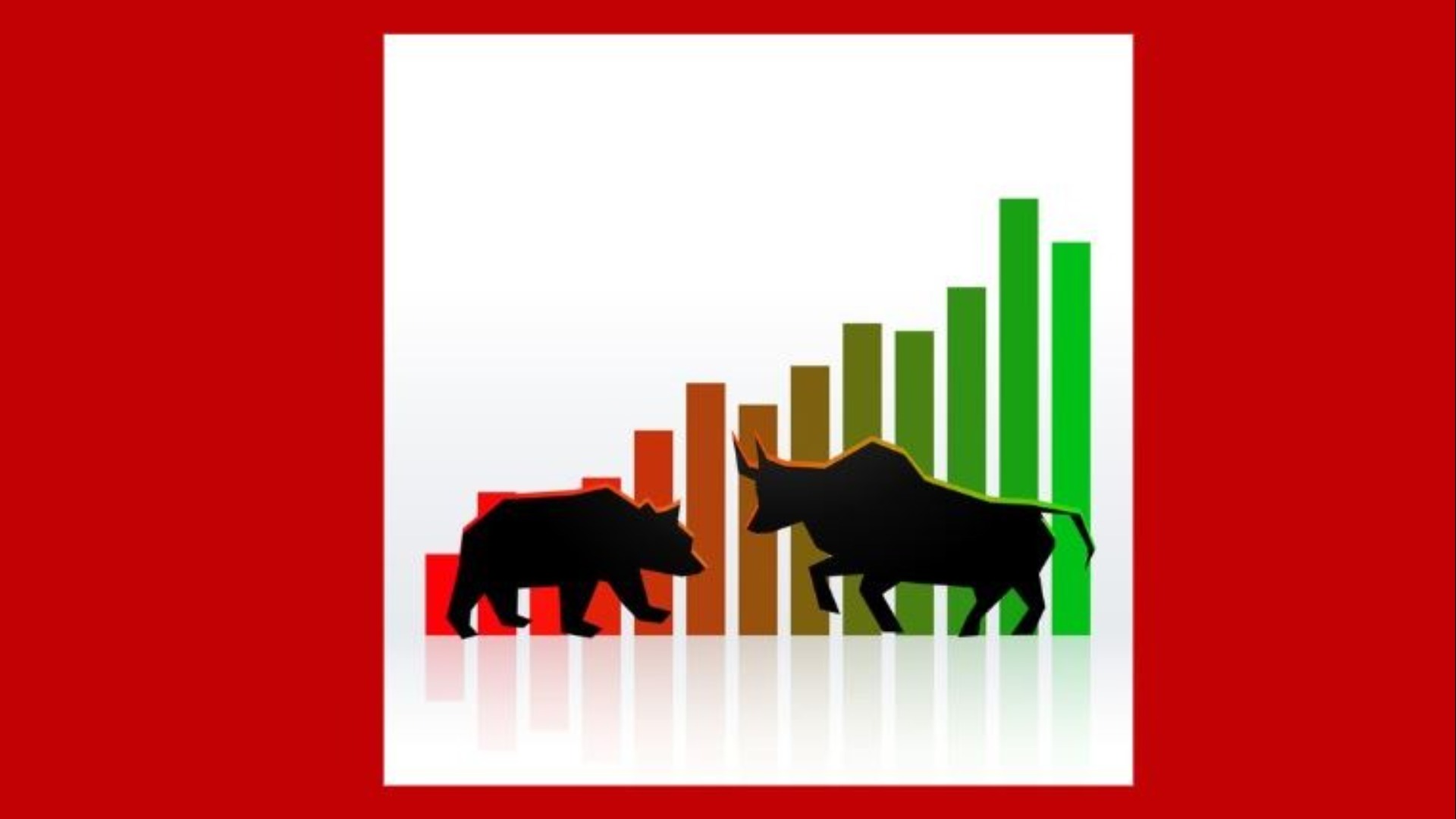
- US indices hit all-time highs as a massive 21.4% Nasdaq rally led Wall Street to its best quarter in six years.
- Market breadth improved as capital rotated into small-caps and industrials, while history suggests July is typically a highly bullish seasonal month.
- Massive AI infrastructure spending remains a core catalyst, though persistent inflation at 4.2% poses an ongoing threat to future interest rate cuts.
The old market saying, “sell in May and go away” often influences investor sentiment during the summer. Historically, mid-year performance is associated with lower trading volumes and sideways movement.
However, the first half of 2026 has not followed this pattern. By late June, the Dow reached a record high of 52,319, with the S&P 500 and Nasdaq also hitting new peaks. This performance raises questions about whether traditional seasonal trends will hold this year.
Understanding Seasonal Trends
Market seasonality offers helpful context, though it doesn’t guarantee outcomes. The S&P 500 historically posts more modest returns between May and October than it does from November to April. June often breaks even, and July has typically been positive many years. August and September, however, are frequently weaker months, often because of lighter trading volumes during vacations and portfolio rebalancing.
This cycle, though, strong corporate fundamentals and policy support might soften these typical patterns. Analysts point to solid earnings forecasts and ongoing investment in new technologies as good offsets to the usual seasonal slowdown.
July Is Historically A Good Month
This current cycle might look a bit different, though. Solid earnings reports and the ongoing interest in new technologies could help balance out the typical seasonal slump. Data from the last 35 years shows that July has actually been one of the more reliable months for gains, with the S&P 500 yielding an average price gain of 1.4% and the Nasdaq 100 advancing 2.1%. The historical trend suggests that the market usually hits a wall later in the summer.
The Risks Worth Watching
The primary source of uncertainty right now is monetary policy. At his first meeting in June, Fed Chair Kevin Warsh signaled a shift away from the rate cuts many had expected. With inflation reaching a three-year high of 4.2%, several officials now support raising rates this year. This news caused an immediate reaction, sending the Dow down over 500 points.

High valuations and market concentration present additional risks. A large portion of recent gains has been driven by a small group of mega cap technology companies, which can hide underlying weakness in other sectors. Lower summer liquidity can also make price swings more extreme, and geopolitical tensions in the Middle East continue to be a potential source of volatility.
Lower liquidity during the summer months often makes price swings more dramatic, and ongoing geopolitical tension in the Middle East remains a potential trigger for more volatility.
Opportunities on the Horizon
Conversely, the environment presents notable upsides. Continued AI adoption and capital expenditure in related fields could sustain earnings momentum. Easing geopolitical risks may support broader market participation, potentially extending the bull market. International equities and cyclical areas that have lagged might catch up if U.S. leadership broadens.
Strategists at Bank of America have suggested using market rallies to add portfolio hedges, as they expect some consolidation over the summer before a possible year end move. Focusing on undervalued segments or high quality dividend stocks may help manage risk while looking for better entry points in a fluctuating market.
Historical data shows weaker average returns from May to October, with August and September often the softest months due to lower volumes and rebalancing.
Historically summer months underperform on average, but markets still post gains most years, making full exits a risky bet.
They should maintain diversified equity exposure with emphasis on quality and growth sectors, while using dips for accumulation and incorporating defensive assets.