


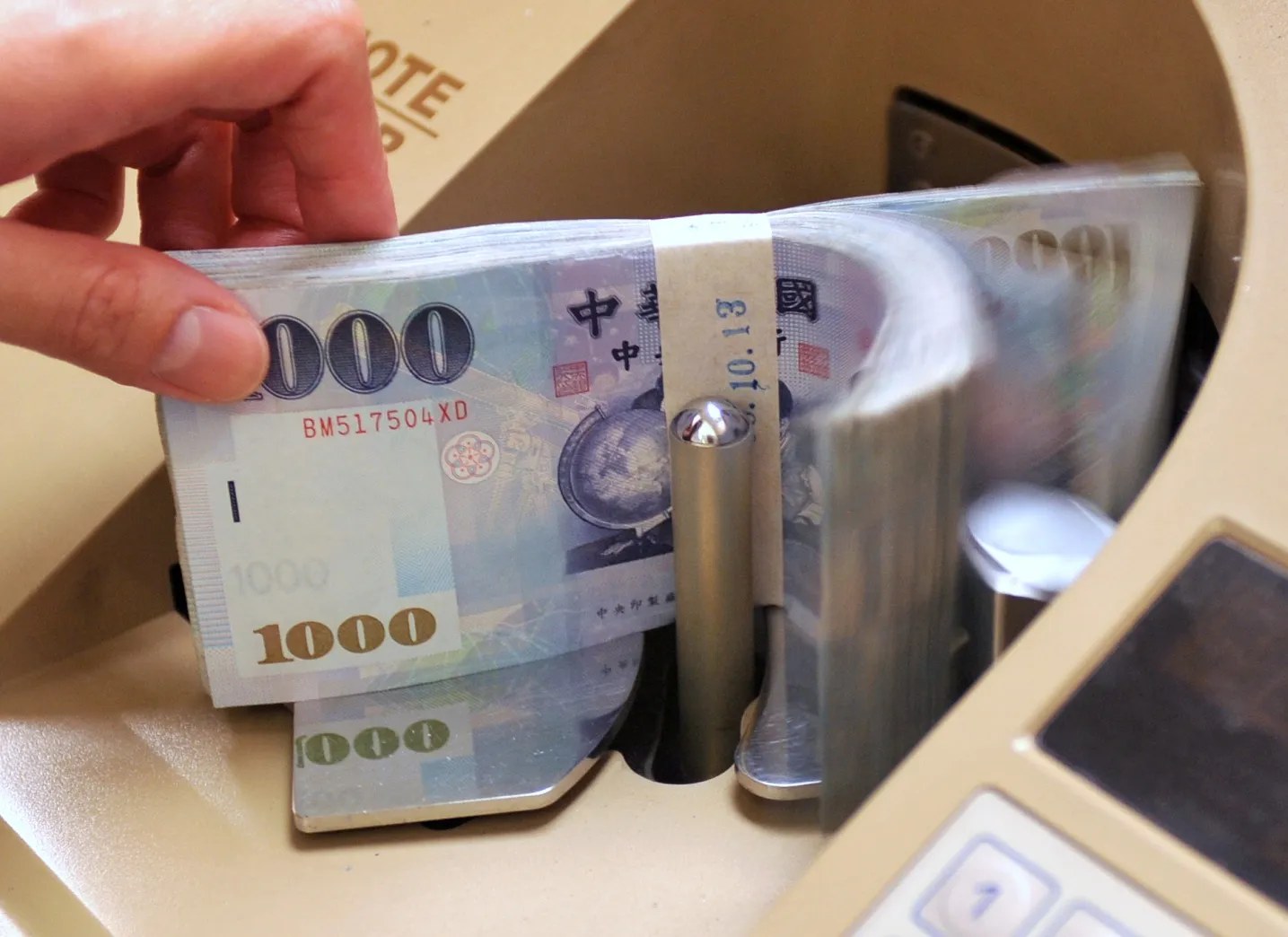
- USD/TWD remains under pressure after retreating from recent highs as traders reassess Taiwan's inflation outlook.
- June inflation accelerated to 2.6%, increasing expectations of a September rate hike by Taiwan's central bank.
- Foreign investors continue selling Taiwanese equities, limiting any sustained recovery in the Taiwan dollar.
- Typhoon Bavi adds another layer of uncertainty ahead of the weekend.
The USD/TWD pair is trading around 34.27 on Monday after pulling back from recent highs as investors weigh stronger inflation data against persistent foreign capital outflows. While rising consumer prices have strengthened expectations that Taiwan’s central bank could raise interest rates later this year, continued demand for the US dollar has prevented the Taiwan dollar from staging a broader recovery.
Adding to the cautious mood, traders are also monitoring the approach of Typhoon Bavi, which could disrupt economic activity across parts of Taiwan later this week.
Inflation Strengthens the Case for Higher Rates
Taiwan’s latest inflation report surprised to the upside.
Consumer prices increased 2.6% year over year in June, above expectations and accelerating from May’s reading. Core inflation also remained elevated as higher electricity tariffs, housing costs, recreation services and restaurant prices continued to lift overall price pressures.
The stronger data has reinforced expectations that Taiwan’s central bank could deliver a 12.5 basis point interest rate increase at its September policy meeting.
Higher interest rates would normally support the Taiwan dollar by attracting foreign capital. However, the currency has struggled to benefit as investors continue reducing exposure to Taiwan’s stock market.
Foreign Selling Keeps Pressure on the Taiwan Dollar
Capital outflows remain one of the biggest drivers of USD/TWD.
Foreign investors recently sold more than NT$160 billion worth of Taiwanese equities over two consecutive trading sessions, increasing demand for the US dollar and weighing on the local currency.
Market participants say investor positioning remains cautious, with further moves in USD/TWD likely to depend on whether overseas investors continue pulling money from Taiwanese assets or return as equity markets stabilize.
Typhoon Bavi Adds Another Risk
Investors are also watching Typhoon Bavi, which is forecast to move closer to Taiwan later this week.

Forecasters expect heavy rainfall across northern and eastern parts of the island between July 10 and July 11, with Taipei, New Taipei, Keelung and Yilan among the areas that could be affected.
Although the storm’s path remains uncertain, weather disruptions could temporarily weigh on transportation, retail activity and tourism, adding another layer of uncertainty for financial markets.
USD/TWD Technical Outlook
From a technical perspective, USD/TWD has entered a corrective phase after its strong rally earlier this year.
The pair is trading around 34.27, below the middle Bollinger Band near 38.43, indicating short-term selling pressure remains in place. Price action has also retreated significantly from the recent peak near 46, confirming that bullish momentum has cooled.
The MACD remains below its signal line, while the histogram is still in negative territory, suggesting bearish momentum persists even though the pace of selling has eased.
Immediate support is seen around 32.20, which aligns closely with the lower Bollinger Band. A break below that level could encourage additional downside pressure. On the upside, resistance is located near 38.40, with a stronger resistance zone around 44.60, where sellers previously returned to the market.
Overall, the longer-term trend remains constructive while USD/TWD holds above the 32.20 support area, but the current chart points to consolidation rather than an immediate return to recent highs.
USD/TWD is rising because continued foreign capital outflows from Taiwan’s equity market have increased demand for the US dollar, weakening the Taiwan dollar.
Taiwan’s June inflation accelerated due to higher electricity costs, rising housing expenses, stronger services inflation and increased import prices caused by the weaker Taiwan dollar.
Markets increasingly expect Taiwan’s central bank to raise interest rates by 12.5 basis points at its September policy meeting following stronger-than-expected inflation data.