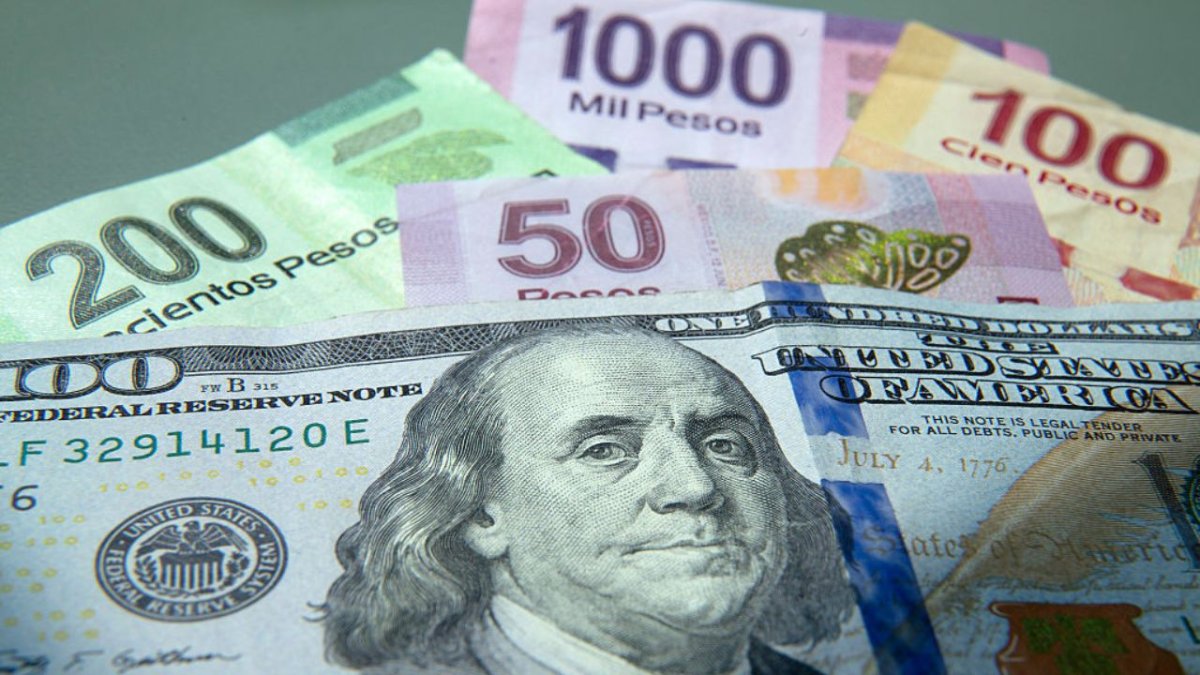
- The Mexican Peso (MXN) remains resilient, trading near 17.17 per US Dollar despite a surge in the Greenback following a massive beat in US employment figures.
- January nonfarm payrolls rose by 130,000, doubling economists' estimates and causing a sharp repricing of Federal Reserve interest rate expectations.
- While domestic industrial data supports the Peso, reports of potential US withdrawal from the USMCA trade pact have injected fresh volatility into the pair.
US Stocks Flat as Jobs Blowout Clouds Fed Rate Path
The USD/MXN is currently trading at 17.15 this Thursday, February 12, as the market processes a complex mix of US economic strength and Mexican industrial recovery. The pair saw heightened volatility during the previous session, fluctuating between a minimum of 17.13 and a maximum of 17.20 as traders reacted to the blockbuster US employment report. Despite a broader rebound in the US Dollar index (DXY) to 97.18, the Peso has managed to hold onto its status as one of the more resilient emerging market currencies.
This stability is partly due to fresh data from Mexico’s INEGI, which revealed that industrial production grew 0.2% in December, with the construction sector leading the charge with a 1.2% rebound. On an annual basis, Mexico’s industrial growth accelerated to 2.4%, providing a fundamental floor for the currency even as the Greenback gains momentum globally.
USD/MXN Analysis: Peso Navigates USMCA Fears and High Real Yields
The Mexican Peso is currently caught in a tug-of-war between attractive “carry trade” returns and growing geopolitical uncertainty. According to analysis from Monex, the Peso remains sensitive to the interest rate differential; with the Bank of Mexico (Banxico) holding rates at 7.00% while the Fed sits at 3.75%, investors are still heavily incentivized to hold Peso-denominated assets.
However, the shadow of the 2026 USMCA review is looming larger. Market participants are increasingly wary of “trade war” rhetoric from the US administration, which could lead to stricter enforcement of rules of origin or even unilateral tariff threats. These fears have introduced a “risk premium” into the USD/MXN, preventing the pair from making a deeper run toward the 17.00 psychological level despite the Peso’s 3.65% gain over the last month.
US Stocks Flat as Jobs Blowout Clouds Fed Rate Path
On the other side of the border, US equity markets are struggling for direction. According to the Bureau of Labor Statistics, the US economy added 130,000 jobs in January, shattering expectations for a more modest 65,000-job gain. This “blowout” report, which also saw the unemployment rate dip to 4.3%, suggests the US economy is far from a recession but creates a massive headache for the Federal Reserve.
The prospect of “higher for longer” interest rates kept stocks in a tight range on Wednesday:

- The Dow Jones fell 67 points (0.13%).
- The S&P 500 was essentially flat as gains in healthcare and construction were offset by losses in financial sectors.
- The Nasdaq Composite slipped 0.16% as rising Treasury yields pressured tech valuations.
Investors have now slashed their bets on a March rate cut, with futures traders in Chicago moving expectations for the first 25-basis-point reduction to June at the earliest.
Conclusion: All Eyes on Inflation Data
While the USD/MXN has managed to settle near the 17.15 mark, the pair’s near-term fate hinges on the upcoming US inflation data. If January’s CPI print shows that prices are cooling alongside the job surge, the Peso could push toward the 17.11 support level. Conversely, any sign of sticky inflation will likely embolden the Dollar bulls, potentially driving the exchange rate back toward the 17.50 resistance zone as the Fed’s “pivot” is pushed further into the second half of 2026.
The pair is stabilizing after a strong US jobs report boosted the Dollar, while a 2.4% annual increase in Mexican industrial production provided support for the Peso.
Because 130,000 jobs were created, well above the 65,000 estimate, traders have pushed back expectations for a Fed rate cut from March to June.
Mexico maintains a 7.00% rate compared to the US 3.75%, creating a “carry trade” advantage that keeps the Peso strong.
The primary risks include potential US withdrawal or forced renegotiation of the USMCA trade deal and any significant drop in US consumer demand for Mexican exports.