



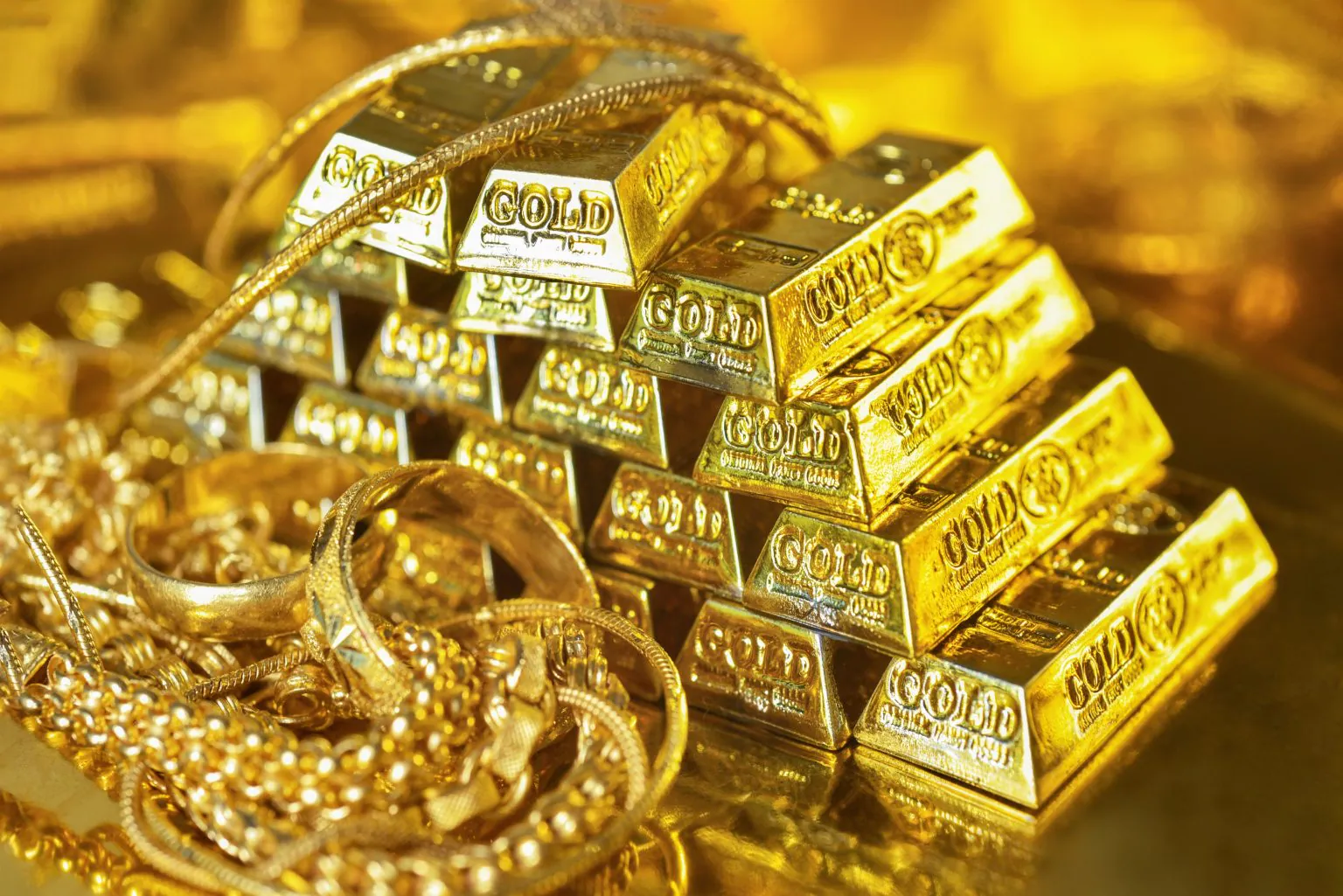
- Gold briefly slipped below the key $4,000 level this week, marking its lowest price in seven months before buyers stepped back into the market.
- Cooling U.S. rate hike expectations and a softer dollar are helping gold stabilize after one of its sharpest weekly declines of 2026.
- Traders are now watching next week's U.S. jobs and inflation reports, which could determine whether gold falls toward $3,885 or stages a stronger recovery.
Is the Gold Selloff Finally Losing Steam?
Gold prices are attempting to stabilize after suffering one of their biggest selloffs this year. The precious metal briefly dropped below the psychologically important $4,000 level this week, touching its lowest price since November before recovering modestly as the U.S. dollar eased and Treasury yields pulled back from recent highs.
The rebound comes after weeks of relentless selling driven by a more hawkish Federal Reserve, easing geopolitical tensions and a sharp decline in safe-haven demand following the preliminary U.S.-Iran peace agreement.
While buyers have managed to defend the $4,000 level for now, analysts say gold’s next major move will likely depend on upcoming U.S. economic data rather than fresh geopolitical headlines.
Why is gold recovering today?
Despite the recent weakness, the aggressive selloff appears to be losing momentum. Markets have started scaling back expectations for additional Fed tightening after recent inflation data showed no major upside surprises. Traders now expect fewer rate increases than they did immediately after the Fed meeting, easing pressure on both real yields and the U.S. dollar.
That shift has allowed gold to recover some lost ground. The rebound also reflects technical buying around the $4,000 support level, where investors who had been waiting for lower prices stepped back into the market. For now, the recovery looks more like a stabilization than the beginning of a sustained rally.
The next move depends on jobs and inflation
The biggest catalysts for gold are still ahead. Next week’s U.S. Nonfarm Payrolls report and the latest Consumer Price Index (CPI) release could significantly alter expectations for Federal Reserve policy.
A stronger-than-expected labor market or hotter inflation reading would likely revive expectations for additional rate hikes, strengthening the dollar and putting renewed pressure on gold.

Conversely, softer economic data could reinforce expectations that the Fed is nearing the end of its tightening cycle, providing further support for bullion. Until those reports are released, traders may remain reluctant to establish large directional positions.
Is now a good time to buy gold?
Investor sentiment remains divided. Bullish investors argue that the recent decline has largely priced in the Federal Reserve’s hawkish stance and that any signs of slowing inflation could quickly revive demand for precious metals.
Bearish traders, however, believe gold could face another wave of selling if U.S. economic data continues surprising to the upside or if Treasury yields resume climbing. Much will depend on whether the $4,000 level holds over the coming sessions. If buyers successfully defend that support, the current rebound could evolve into a broader recovery.
If not, attention will quickly shift toward the $3,885 target.
Gold outlook
Gold has recovered from seven-month lows, but the broader trend remains fragile. The market has found temporary support as the dollar and real yields retreat, yet investors are still waiting for stronger evidence that the Federal Reserve is finished tightening monetary policy. Until fresh economic data provides that confirmation, gold is likely to remain trapped between recovering technical momentum and lingering macroeconomic uncertainty.
Gold is recovering after falling to a seven-month low as the US dollar weakened and Treasury yields eased. Investors have also reduced expectations for further Federal Reserve rate hikes following recent inflation data, helping improve sentiment toward the precious metal.
Gold came under pressure after the Federal Reserve maintained a hawkish outlook and signaled the possibility of another interest rate hike this year. Higher bond yields, a stronger US dollar and easing geopolitical tensions reduced demand for safe-haven assets, pushing gold below the $4,000 level.
Gold’s next move will largely depend on upcoming US economic data, particularly the Nonfarm Payrolls (NFP) and Consumer Price Index (CPI) reports. Stronger-than-expected data could strengthen the dollar and weigh on gold, while softer figures may support a broader recovery.