



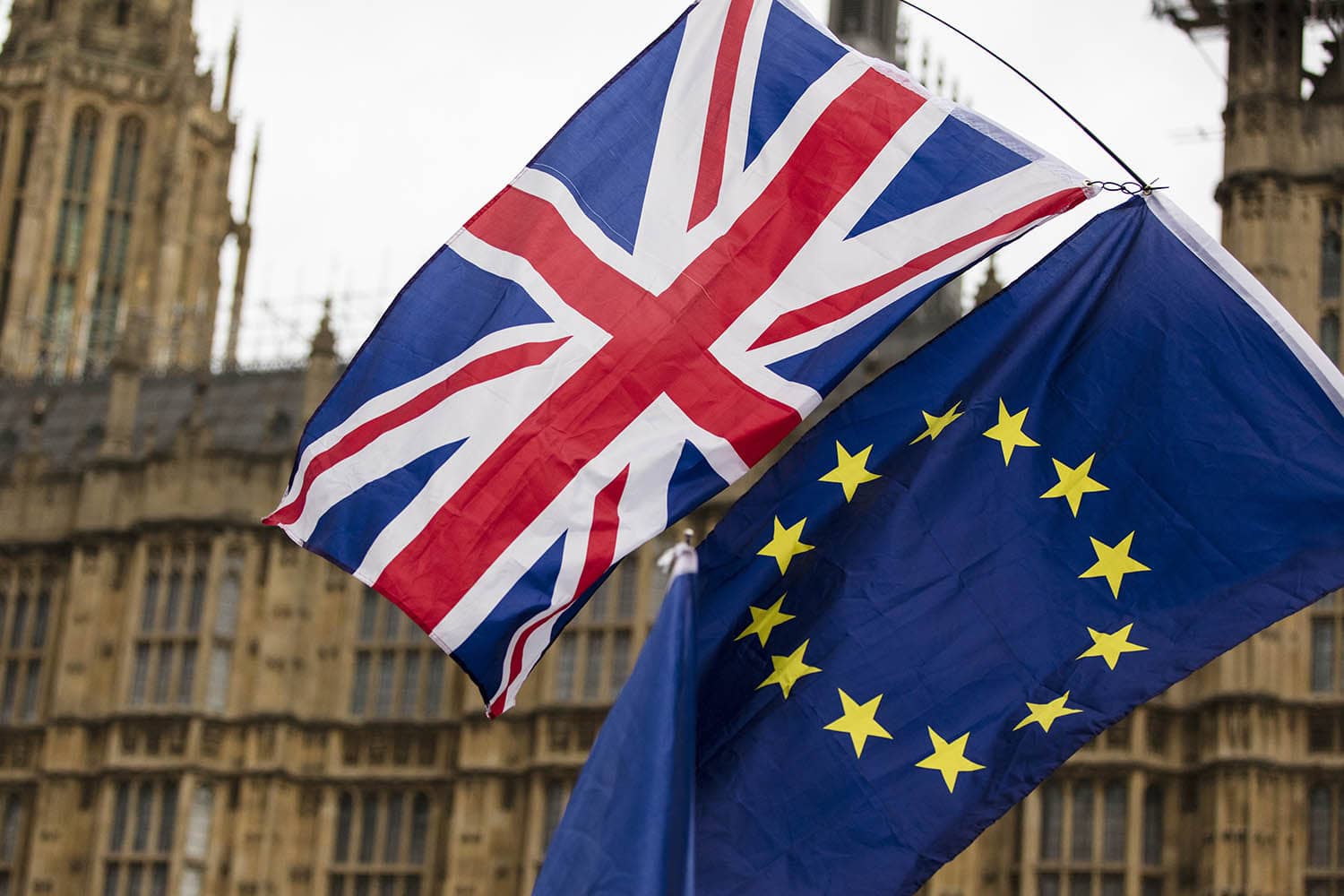
- Cooling British inflation and shifting rate cut expectations, combined with hawkish ECB signals, pushed the pound down toward monthly lows
- The BoE's July 30 interest rate decision will define near-term momentum
- Short-term weakness may persist ahead of upcoming central bank decisions, but the exchange rate should stabilize in the medium-term
The sterling’s performance against the euro has shifted significantly in recent weeks. Following a peak near 1.1807–1.1827 levels in mid-July, the GBP/EUR pair has declined, now trading near its monthly lows, a drop of approximately 0.8–1% from its highest point.
This movement is notable for a currency pair that remained within a narrow 1.14–1.16 range for the first half of 2026. Here’s what’s actually going on.
What Drove the Slide
The initial rally in mid-July for the pound was driven by expectations that the Bank of England (BoE) would maintain its bank bate at 3.75%, keeping it considerably higher than the European Central Bank’s (ECB) 2.25% deposit rate for an extended period. While a decline in UK inflation to a 15-month low of 2.6% in June initially suggested potential BoE rate cuts, persistent services inflation (3.7%) and rising oil prices due to Middle East tensions led markets to briefly anticipate BoE rate hikes instead of cuts.
When UK inflation cooled to a 15-month low of 2.6% in June, it initially looked like the BoE might start cutting rates. But persistent services inflation (3.7%) and fresh oil price increases from Middle East events quickly changed that outlook. Markets briefly began pricing in BoE hikes instead of cuts.
That yield advantage, though, now looks less sustainable. Berenberg’s latest outlook suggests the BoE will resume cutting rates from December, lowering the Bank Rate from 3.75% to 3.00% by mid-2027. Should that prediction pan out, it would chip away at a key support for sterling.
Meanwhile, speculators had built significant short positions before local elections and the leadership transition. When these risks didn’t trigger an immediate sell-off, a short squeeze, along with carry appeal and some merger-related buying, pushed GBP/EUR upwards.
This technical support has since weakened. Focus has shifted to fiscal concerns under the new government. Limited fiscal flexibility, high government bond yields, and uncertainties surrounding spending plans, including potential cost-of-living support and defense expenditures, have raised questions about whether bond markets will demand a higher risk premium.

How Long Is the Downside Trend Likely to Continue?
The future direction of the GBP/EUR pair in the coming quarters will largely depend on the divergence in central bank policies and economic growth paths. One key decision making will take place on July 30 when the BoE will announce its interest rate decision.
In the short term, sterling may face challenges in regaining its recent upward momentum as markets await further policy decisions from the BoE. If British economic data continues to show weakness, traders anticipate the pound will remain near its recent monthly lows.
A sustained decline, however, seems less likely. The Eurozone is also experiencing economic challenges, including slow industrial output in major economies like Germany. Most institutional forecasts predict the EUR/GBP pair will trade within a defined range rather than trend sharply in one direction. Once the market has a clearer understanding of the BoE’s monetary policy path, sterling is expected to find stable technical support.
Eurozone inflation at 2.8% remains above the target, and growth is projected at a modest 0.8% for 2026. The euro’s current advantage stems less from its own strength and more from the ECB’s predictable policy compared to the fluctuating outlook from the BoE.
A widening rate gap between BoE and ECB, and resolved UK political uncertainty pushed sterling higher.
Not really the ECB held rates after June’s hike, with eurozone growth weak; it’s benefiting mainly from policy predictability.
The Bank of England’s 30 July decision, where guidance on inflation and fiscal concerns matters more than the rate call itself.