


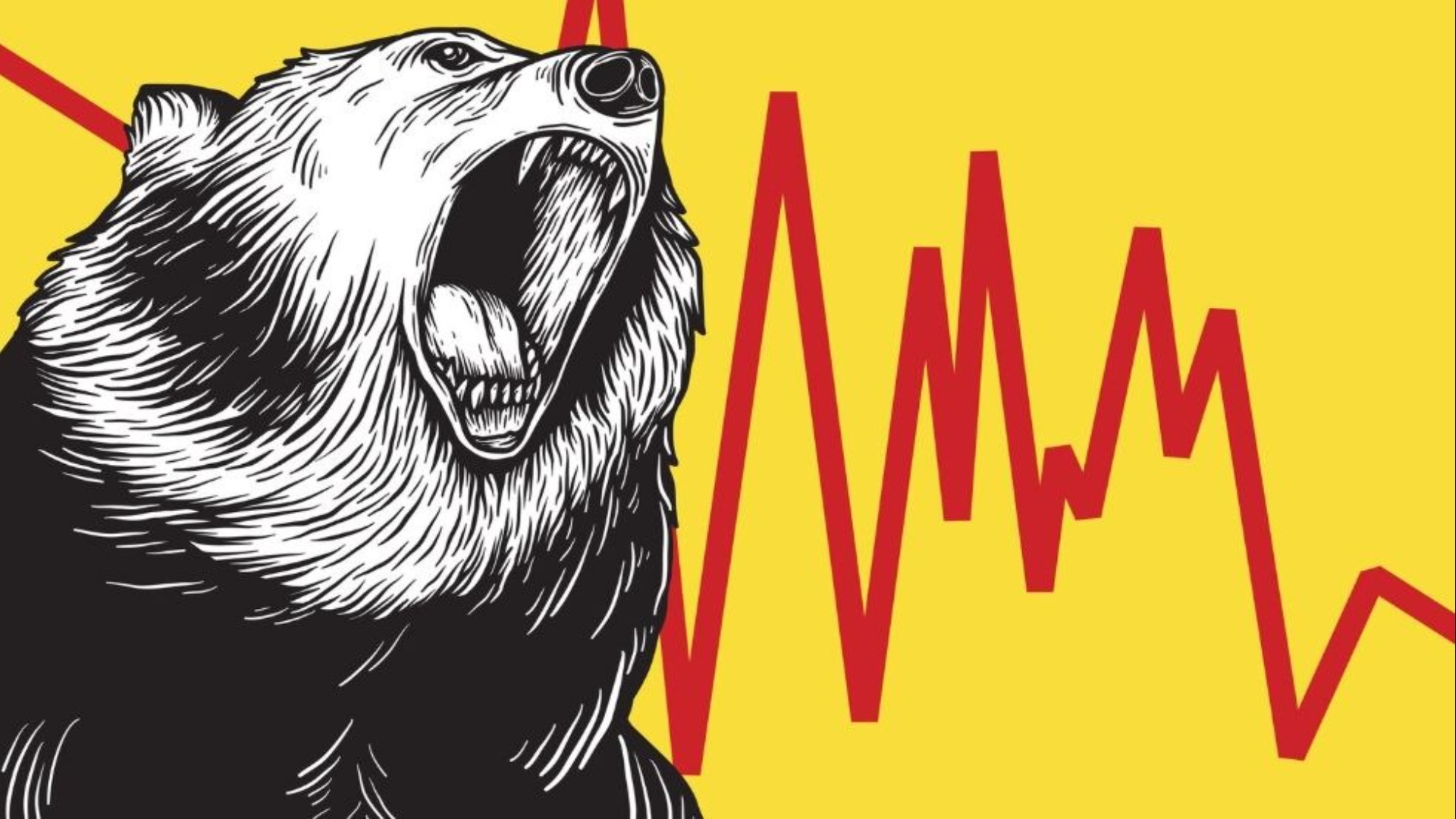
- US Treasury yields climbed this week, with the 10-year note almost hitting 5%. This rise stemmed from persistent inflation and oil prices moving above $100, largely due to Middle East tensions.
- Higher yields, especially if the Fed tightens monetary policy, mean borrowing costs will climb. This pressures stock valuations, tightens financial conditions across the US, and cools down sectors sensitive to interest rates.
- Investors might consider high-quality fixed income for its attractive yields. They could also favor resilient equity sectors and keep portfolios diversified rather than making sudden, drastic changes.
Global financial markets are facing pressure from several factors, including higher crude oil prices, geopolitical issues affecting energy supply routes, and concerns about growing government deficits. This combination has driven significant selling in sovereign debt markets.
The benchmark 10-year US Treasury note’s yield jumped to nearly 4.97%, reaching multi-year highs. The 30-year yield also surpassed 5.38%.
These shifts will impact financial markets, the US economy, and the broader global economy, particularly in the week ahead. Investors are considering how to adjust portfolios given these higher borrowing costs and persistent price increases.
Rising Treasury Yields, US Debt and Inflation Fears Define Financial Markets
Higher oil prices are a significant contributor here. Brent crude rose due to supply disruptions from regional conflicts. Saudi Arabia’s oil output is reportedly at its lowest since 1990, and recent friction between Iran and US naval vessels has added to market uncertainty.
These events fuel concerns that higher energy costs will lead to broader consumer price increases. August’s Consumer Price Index (CPI) data showed a 0.4% monthly increase and a 3.4% yearly rise, as expected.
Core CPI, which excludes food and energy, rose 0.3% monthly, slightly above forecasts. The annual core rate was 2.4%. Energy prices climbed significantly that month, highlighting the impact of oil prices.
US government debt is another point of concern. The national debt topped $40 trillion last month. A recent Treasury buyback operation saw less demand than anticipated, and this suggests investors require higher compensation for holding longer-term US debt.
The bond market’s been pretty volatile lately. Yields on shorter-term notes, especially sensitive to interest rate expectations, have risen sharply.
When Treasury yields shoot up this fast, it quickly affects the value of stocks and bonds. Higher bond yields mean a higher discount rate for future corporate earnings, making highly valued assets less appealing.
What this Means For the US Economy
For the domestic economy, higher Treasury yields and the potential for an interest rate hike imply tighter financial conditions. US 30-year fixed mortgage rates tend to follow 10-year Treasury yields. As Treasury yields move closer to 5.0%, mortgage rates are also increasing, which affects housing affordability and can slow activity in the secondary real estate market.
This trend can lead to reduced activity in interest-sensitive sectors like housing and capital investment, potentially moderating demand and contributing to inflation control over time. Changes in residential construction employment and consumer spending patterns will be closely monitored for indications of this moderation.
At home, higher Treasury yields and a possible interest rate hike mean tighter financial conditions. US 30-year fixed mortgage rates usually track 10-year Treasury yields. With Treasury yields nearing 5.0%, mortgage rates are climbing too. That hurts housing affordability and could slow down the secondary real estate market.
This trend could lead to less activity in interest-sensitive sectors like housing and capital investment. That might temper demand and help control inflation eventually. We’ll watch changes in residential construction jobs and consumer spending closely for signs of this slowdown.
US corporations that need to refinance maturing debt will face higher interest costs. This could squeeze profit margins and slow job growth.
Meanwhile, persistent inflation, now at 3.4%, keeps chipping away at purchasing power, especially as energy costs climb. Recent reports show wage growth hasn’t consistently matched inflation, putting more pressure on household budgets.
The Federal Reserve has to manage inflation without slowing economic growth too abruptly.
Global Economic Spillover
Developments in the US often have international repercussions. Higher US Treasury yields and a stronger dollar can tighten financial conditions globally, especially for emerging markets with dollar-denominated debt. Capital might flow into the United States seeking better returns, which could weaken other currencies and equity markets.
Oil prices above $100 per barrel raise inflation risks for energy-importing countries, while benefiting exporters. The European Central Bank has already voiced concerns about persistent price pressures.
If the Federal Reserve takes a more assertive stance, it could sway other major central banks, possibly leading to higher interest rates worldwide. Geopolitical risks, which are pushing oil prices higher, also weigh on global sentiment and trade, adding uncertainty to worldwide growth forecasts.
What to Expect Next Week
The Federal Reserve’s meeting on September 15-16 is a big event. Markets will watch for the interest rate decision, the accompanying statement, economic projections, and the Chair’s press conference for clues about future policy. A rate hike is widely expected; current market pricing suggests a high chance of a 25-basis-point increase at this meeting.
How markets react to comments about future meetings and the balance between inflation and growth risks will matter for medium-term investment positioning.
At its July meeting, the Fed kept its benchmark rate steady, with a divided vote. This September meeting is one of four each year that includes updated economic projections and the closely watched “dot plot.”
More economic data releases, along with any shifts in oil markets or geopolitical situations, could increase market volatility. Treasury auction results and how risk assets perform will give us a real-time read on the market.
Investors should be prepared for potential fluctuations in both bond and equity markets as the Fed’s decision is announced and processed.
Should Investors Readjust Their Portfolios?
Your portfolio adjustments depend on your individual circumstances, time horizon, and risk tolerance. Still, the current environment brings a few important points to consider. Higher yields make fixed-income holdings more appealing, especially high-quality bonds that now offer better income.
Short- or intermediate-duration Treasuries, or investment-grade credit, could be good options to lock in yields and manage interest-rate risk if rates climb.
Equity markets have already wobbled. This month, the Dow, S&P 500, and Nasdaq all lost ground in multiple sessions as yields and oil prices climbed together. The Dow even dropped 785 points in one session during the selloff’s worst stretch.
In the coming weeks, you might consider shifting equity allocations to sectors less sensitive to rising rates, or those able to pass on costs, such as energy or certain financials. Just be aware of valuation pressures on growth-oriented names.
None of this suggests making dramatic moves. Instead, it’s a reminder that the Fed’s decision and how the Iran conflict unfolds will likely shape market sentiment well into the fourth quarter.
Treasury yields climbed this week, driven by persistent inflation data, oil prices topping $100 amid global tensions, and growing expectations for a Federal Reserve rate hike next week.
The August CPI report indicated a 0.4% monthly increase and a 3.4% annual rise. Core inflation also rose, hitting 0.3% month-over-month and 2.4% year-over-year. This keeps inflation stubbornly above the Fed’s 2% target.
If the Fed raises rates, borrowing would get more expensive for mortgages, loans, and businesses. That might cool demand in housing and investment, helping to bring inflation under control.