


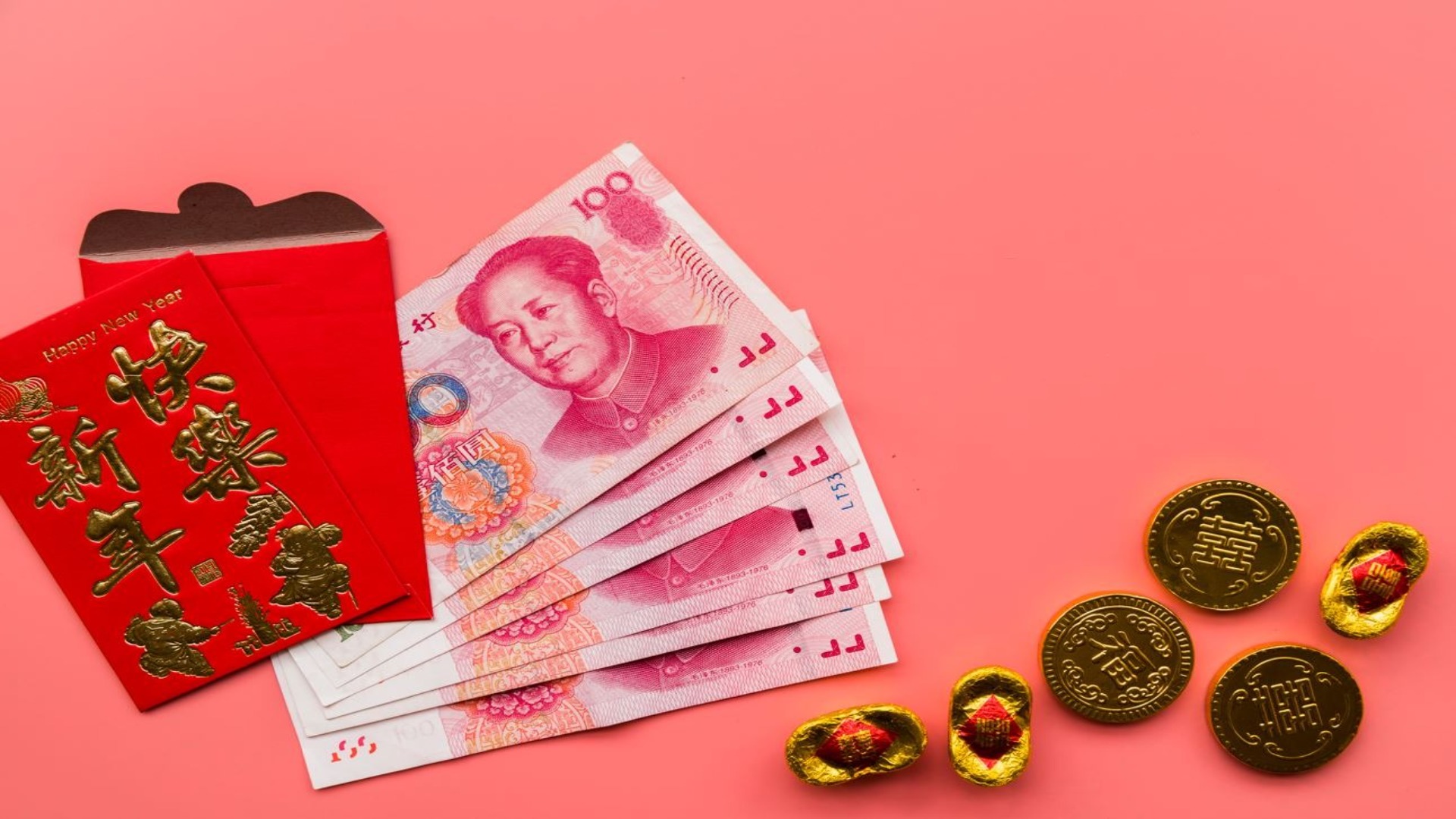
- The PBOC set the USD/CNY reference rate at 6.8054, signaling a managed, gradual tolerance for a softer yuan to absorb economic pressures
- The fix supports orderly yuan movements amid softer growth data, likely maintaining range-bound trading against a resilient US dollar
- It influences trade competitiveness, commodity demand, and global portfolios, highlighting policy balance between stability and economic support.
Foreign exchange traders focused on Asian markets often start their day at 9:15 AM Beijing time. This is when the People’s Bank of China (PBOC) announces its daily central parity rate for the yuan, also known as the yuan fixing.
On Tuesday, the PBOC set its daily USD/CNY reference rate at 6.8054. This was weaker than the 6.7838 level that economists surveyed by Reuters had anticipated. While this might appear to be a minor adjustment on paper, in the context of Chinese currency policy, such adjustments frequently convey specific messages.
The daily fixing is central to how Beijing manages its currency, and it allow the yuan to fluctuate within a 2% band. Each day’s rate is analyzed for its implications regarding economic growth, capital flows, and the extent of depreciation that authorities are prepared to accept.
Understanding the Reference Rate Mechanism
Every trading day, the PBOC announces a central rate. This rate is determined by looking at a mix of different currencies and what’s happening in the market at the time. Then, people trading currencies are allowed to buy or sell within a certain range around this central rate.
If the central rate is higher (meaning it takes more yuan to buy one dollar), it suggests the yuan is a bit weaker. This can actually help Chinese companies that export goods because their products become cheaper for people buying them from other countries.
On the other hand, if the central rate is set stronger, it makes it cheaper to import things and can help keep prices down for imported goods, especially things like commodities.
Since this number is set administratively, not purely by the market, a stronger-than-expected fix usually signals the PBOC is pushing back against depreciation. Conversely, a weaker fix suggests they’re okay with a softer yuan, often in response to a stronger dollar or slower domestic economic momentum.

Effects on the USD/CNY Pair
Currency markets usually react in a measured way. Traders watch closely for any difference between the official fix and what the market expects. If the PBOC sets the rate weaker than anticipated, it can ease pressure for depreciation. A firmer fix might encourage appreciation within the trading band.
Currently, the offshore yuan (USDCNH) has traded around similar levels. This reflects general sentiment about China’s growth path. The World Bank, for instance, projects this growth will slow to about 4.4% by 2026. While the PBOC doesn’t control the offshore yuan, which is what most global investors actually use for transactions, it usually follows the onshore fix quite closely and rarely moves more than a few cents away.
So, when the central rate is set weaker, it doesn’t just affect China. It can put pressure on other countries’ currencies, especially those in emerging markets or Asia that compete with China for trade. A cheaper yuan makes Chinese exports more attractive. It also contributes to a broader trend of a stronger dollar, which influences everything from the prices of commodities to how money is invested across Asia.
The PBOC’s strategies for currency management have significant consequences for international investment portfolios. For global investors, a stable and predictable yuan can act as a stabilizing factor for multinational corporations operating throughout Asia. If Beijing manages currency depreciation in a controlled manner, it can reduce the risk of sudden currency fluctuations impacting other emerging markets.
China manages the yuan’s value to achieve a balance between supporting exports, managing import costs, maintaining financial stability, and pursuing economic growth objectives.
It signals Beijing’s currency priorities. Markets interpret weaker or stronger fixings as indicators of the authorities’ tolerance or resistance to depreciation.
It influences asset valuations, commodity demand, and portfolio risk in China-exposed sectors through currency stability.