


- Nio stock has been struggling for upward traction in recent days, a contrarian posture from its recent earnings report
- The company delivered 83,465 vehicles in the first quarter of 2026, up 98.3% compared to last year, but a 17% decline in April is creating ripples
- Investors are currently focusing on Q2 delivery targets and margins, even as the battery swap model goes a notch higher with fifth generation swap stations set to launch
Nio Inc. recently experienced a significant decline in its share price. Over the last five trading days, the stock’s value dropped by approximately 15%, with a notable reduction occurring after the release of the first-quarter 2026 financial results. This trend contrasts with the positive momentum seen earlier in 2026, when increased sales and better profitability had contributed to an upward movement in the share price.
Understanding the Q1 2026 Results
Nio announced strong year-over-year growth as per its earnings call on May 21, 2026. Total revenues reached RMB 25.53 billion (about US$3.70 billion), a 112.2% increase from the same period in 2025, though they did dip 26.3% from the fourth quarter. The company delivered 83,465 vehicles, up 98.3% compared to last year. Nio also reported a 19.0% gross margin, with vehicle margins getting better for the fourth consecutive quarter, hitting 18.8%.
NIO posted a net loss of RMB332.1 million, which represented an improvement over earlier periods. The company consistently demonstrates its capacity to generate a positive non-GAAP operating profit on a quarterly basis. Management also indicated that improved operational efficiencies and an expanding user base are contributing to growth in service margins.
What This Means for the Rest of 2026
The outlook for the remainder of the year presents a mixed view, avoiding both a straightforwardly bearish or comfortably bullish interpretation. Still, management expects Q2 deliveries of 110,000 to 115,000 vehicles, which would mean 53-60% growth compared to last year. CEO William Li also still aims for full-year non-GAAP operating profitability.
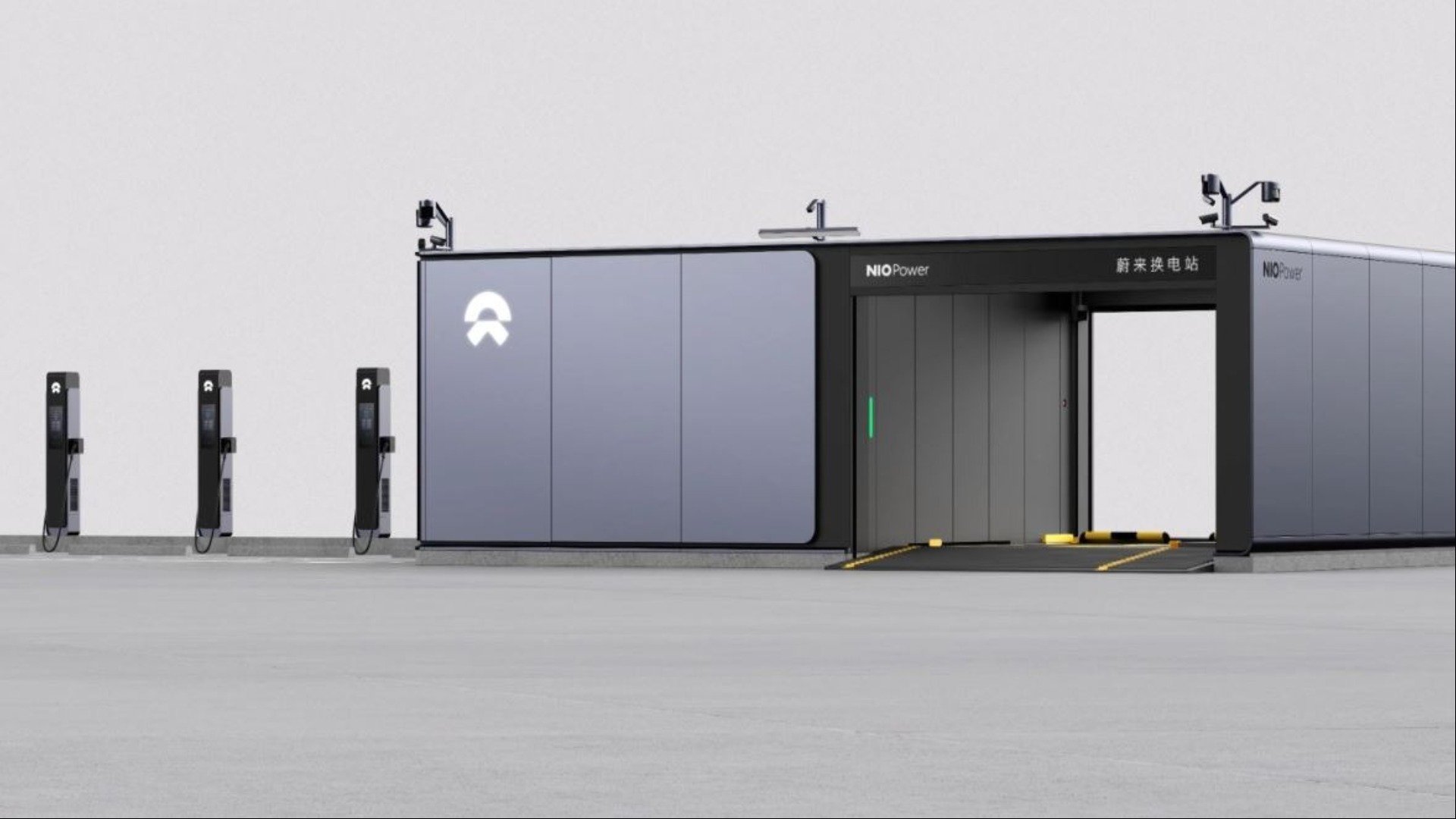
NIO’s extensive battery swap network, with 3,851 stations that performed over 1 million swaps during the May Day holiday alone, offers a structural asset that direct competitors would likely find difficult to replicate quickly. A fifth-generation swap station is scheduled for rollout in July and August 2026, intended to support the upcoming Onvo and Firefly vehicles.

On the flip side, April deliveries fell 17.3% month-on-month to 29,356 units, and China’s EV price war isn’t over. Analysts’ median price target for the stock sits at $6.80, higher than current levels. This suggests the market might be pricing in more risk than the company’s underlying fundamentals alone warrant.
Ultimately, the recent drop in the stock price seems less indicative of a fundamental failure and more reflective of a dynamic market adjusting to sequential operational developments. If Nio successfully meets its Q2 delivery targets and maintains its vehicle margins above 17%, this current dip could be seen as a minor hurdle on its longer trajectory toward sustained profitability.
Monitoring delivery trends, margin sustainability, and new model performance in the coming quarters will provide clearer signals about Nio’s trajectory through the remainder of 2026 and beyond.
Investors sold the stock after revenue missed estimates by $484 million, GAAP losses continued, and pre-existing selling pressure compounded the negative market reaction.
Management expects deliveries to reach between 110,000 and 115,000 units, driving projected quarterly revenues up to RMB 34.44 billion.
Analysts generally see potential for upside, setting price targets typically between $6.23 and $6.80, citing support from upcoming product launches and expected margin gains despite current market volatility.