



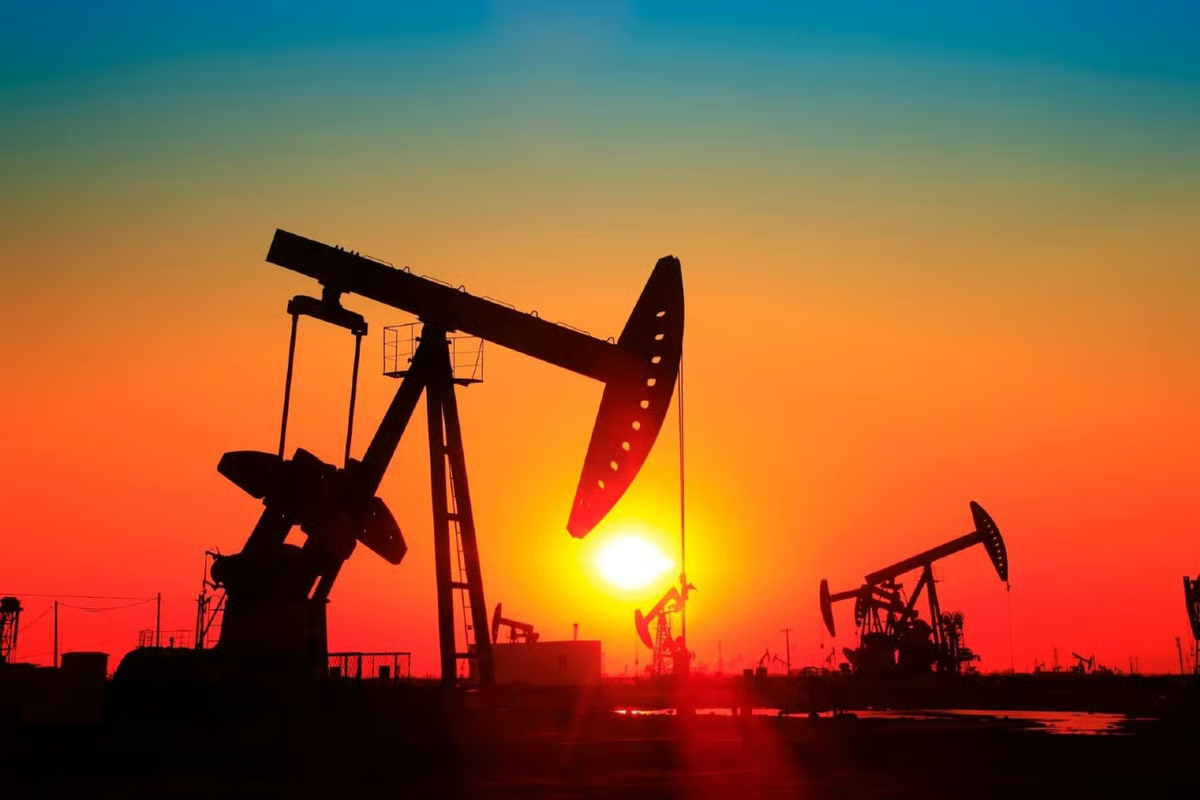
- Global crude oil prices have shot up on Monday, with Brent surging past $97 per barrel as Israel and Iran resume fighting
- A return to the psychological $100 mark looks imminent under the current circumstances, with projections as high as $110 in the near-term still in the cards
- Traders may have to navigate increased risk exposure, with the geopolitics surrounding the spike more potent than other market-driven factors
Energy markets have displayed characteristic turbulence this morning as investors absorbed fresh escalation in the Israel-Iran conflict. Brent crude has surged approximately 5% to $97.68 per barrel as of 9 am GMT. Many are now wondering if it’ll hit that psychologically important $100 mark again. This jump follows a relatively calm period, bringing back familiar concerns about supply and wider market effects.
The Path to $100 Brent Crude
The near-term probability of Brent crude surpassing and maintaining a price above $100 per barrel appears significant. Fitch Ratings’ global energy outlook projects Brent to average between $100 and $110 per barrel through mid-summer if critical supply routes face ongoing compromise.
It all comes down to the Strait of Hormuz. This waterway handles about 20% of global seaborne crude flows, making it an essential shipping lane. When tensions between Iran and Israel escalate, the chance of Strait closures or restricted traffic quickly adds a supply premium to crude prices.
However, counterbalancing forces exist. Global inventories, alternative supply coming from non-OPEC producers, and potential releases from strategic reserves might cap gains. For instance, J.P. Morgan and others expect averages closer to $60 in normal times. This suggests any move to $100 might not last unless disruptions get much worse.
Perilous Times for Oil Futures Traders
Oil futures trading carries heightened risks during periods of geopolitical tension. The primary concern involves gap risk, where markets experience sharp movements during periods when trading is closed, such as weekends or extended holidays.
Say a trader holds a short position. They might find their stop-loss orders completely bypassed if a major conflict escalates on a Friday evening or over a weekend. Long positions can disappear just as quickly if de-escalation news catches the market off guard during a closure.
Beyond gap risk, the current environment exhibits volatility and ‘fear premiums.’ During the March 2026 escalation, intraday swings of 15-20% weren’t uncommon. Prices spiked to $119.50 during the day, then fell back to $101.60 all in the same session.
Algorithmic trading strategies amplify these moves, as automated systems respond to headline flows faster than human traders can adjust positions. Retail traders and smaller institutional investors often lack the infrastructure to manage such volatility without significant drawdowns.
What Should Investors Do?
Given these conditions, investors might want to take a measured approach instead of making aggressive bets. If you’re exposed to energy, selective holdings in producers or service companies that stand to gain from higher prices could be smart, as long as you hedge against volatility.
Large exploration and production companies have the physical assets that go up in value during supply crunches. Many also offer solid dividend yields that act as a buffer.
At the same time, increasing your exposure to defense sectors or liquid cash offers the flexibility to buy high-quality tech and consumer stocks if the broader equity market sees a temporary, fear-driven selloff.
Brent crude futures surged approximately 5% to trade near $97.60 per barrel.
It is quite likely in the near term due to volatility and risk premiums, though sustainability depends on the extent and duration of any further disruptions.
Gap risk over weekends, volatility clustering of 15-20% daily swings, algorithmic amplification, and leverage create catastrophic loss potential for traders unable to adjust positions during closure periods.