


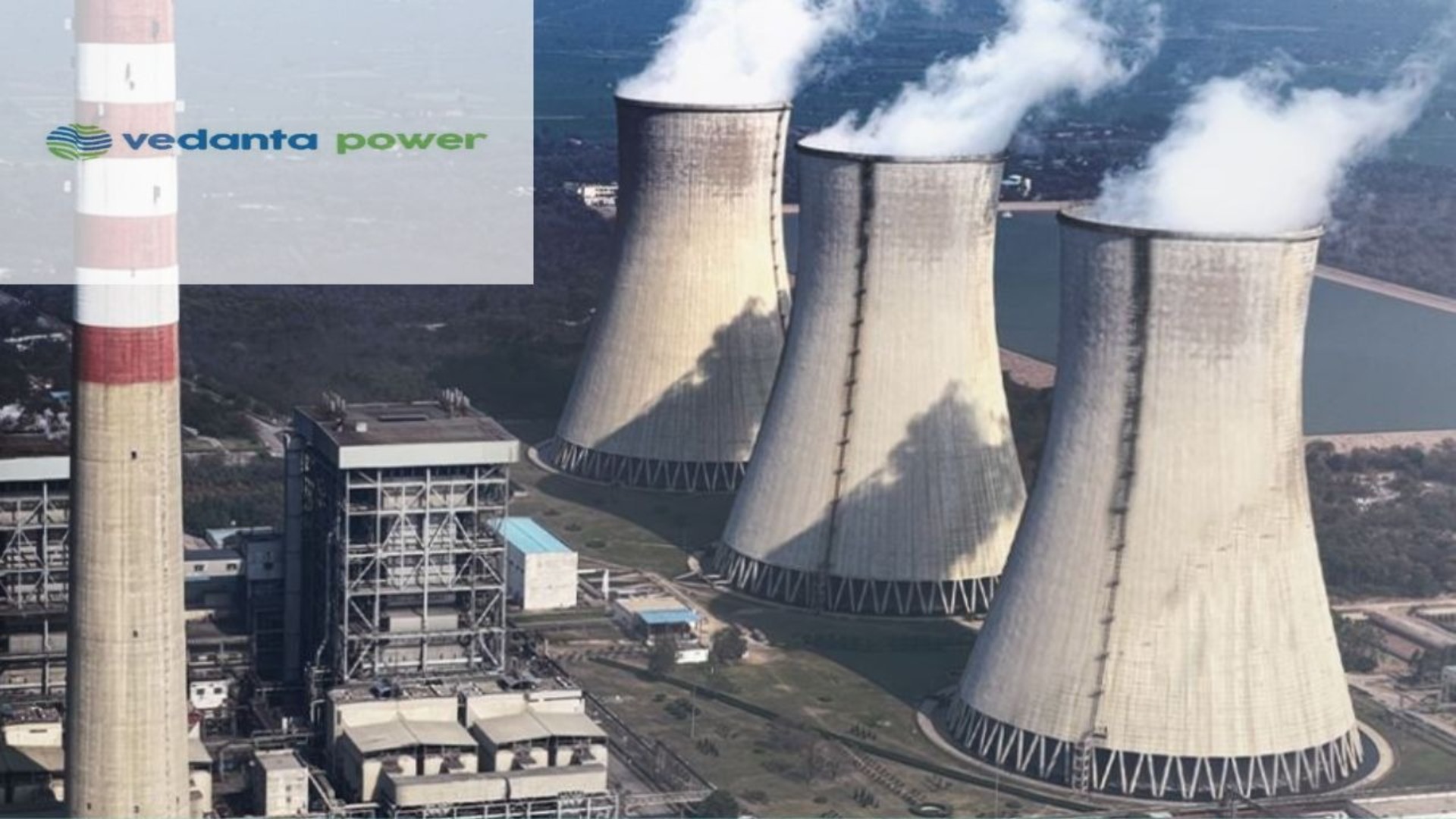
- Vedanta shares listed on Monday, not as a result of an IPO but a demerger from the broader Vedanta Group
- The stock rose to as high as ₹43.89 and hit a 5% upper circuit but also went to lows of ₹39, indicating unsettlement among traders
- There is a strict Trade-to-Trade (T2T) regulation in place, effectively blocking intraday trade and thereby restricting the stock's movement in the near-term
Vedanta Power began trading on the NSE and BSE on June 15, 2026, with opening prices of ₹41.80 and ₹41.30, respectively. This listing follows a major corporate restructuring. However, the early trading action painted a complex picture.
On its first day, the stock reached a high of ₹43.89 and hit a 5% upper circuit before closing at ₹40. Price volatility continued into the second day, with the stock moving between an intraday low of ₹39 and ₹40.50.
Price volatility continued into the second day, with the stock moving between an intraday low of ₹39 and ₹40.50. For retail investors trying to find their footing, this rocky start raises a vital question on what is driving this initial turbulence, and how should you navigate it.
What is Going On With Vedanta Power Stock?
This was not a standard Initial Public Offering (IPO). Instead, the listing is the result of a demerger where existing shareholders received shares in new entities on a 1:1 ratio. The initial price fluctuations are largely driven by a significant volume of shares entering investor accounts simultaneously.
Some institutional and retail investors chose to sell their positions in the power vertical to reallocate capital toward other spun-off divisions, such as the aluminum business. This created a high level of supply during the first forty-eight hours of trading.
To keep markets orderly, stock exchanges placed Vedanta Power into the Trade-to-Trade (T2T) segment. That means intraday trading is not permitted, and all transactions must result in the delivery of shares. Investors who purchase shares on a given trading day can sell them only from the next day onward.
Understanding the Valuation Puzzle
The current market valuation shows a gap between trading prices and earlier analyst estimates. Investec had valued the shares at ₹29, while CLSA set a target of ₹35. The listing price of approximately ₹41 resulted in a market capitalization of ₹16,149.90 crore. This figure landed within institutional analysts’ broader anticipated range, though it was a bit under Nuvama’s initial target of Rs. 17,466 crore.

This valuation difference deserves a closer look. The premium might show real confidence in Vedanta Power’s business fundamentals, or it could just be short-term enthusiasm that hasn’t quite settled with the underlying business realities. The stock traded as low as ₹39 and as high as ₹43.89 in just forty-eight hours, suggesting the market’s still figuring out the right price.
How Should Investors Approach This?
Long-term investors might see current levels as a good entry into a core infrastructure business, assuming it fits their risk tolerance. They should review the company’s financials, including capacity utilization, margins, and expansion plans, once more data becomes available.
Diversifying investments is important since commodity-linked and regulated sectors often go through cycles. Short-term traders could watch for support around recent lows and resistance near highs to make tactical moves.
Overall, the debut reflects healthy price discovery rather than fundamental weakness. While not a runaway success like some peers, it positions Vedanta Power for potential growth amid India’s energy needs.
Value investors should use this price discovery phase to monitor the stock. Let the artificial selling pressure from the demerger wash through the system over the next few weeks. Once the stock stabilizes and leaves the T2T category, its true fundamental value will become clearer, presenting a cleaner entry point.
The listing represents the final phase of a massive corporate demerger strategy by Vedanta Limited to unlock independent business vertical valuations.
Yes. Investors cannot engage in intraday trading and must hold shares overnight minimum, which reduces speculation.
Consider long-term holding based on fundamentals, with diversification and monitoring of operational performance post-demerger.