


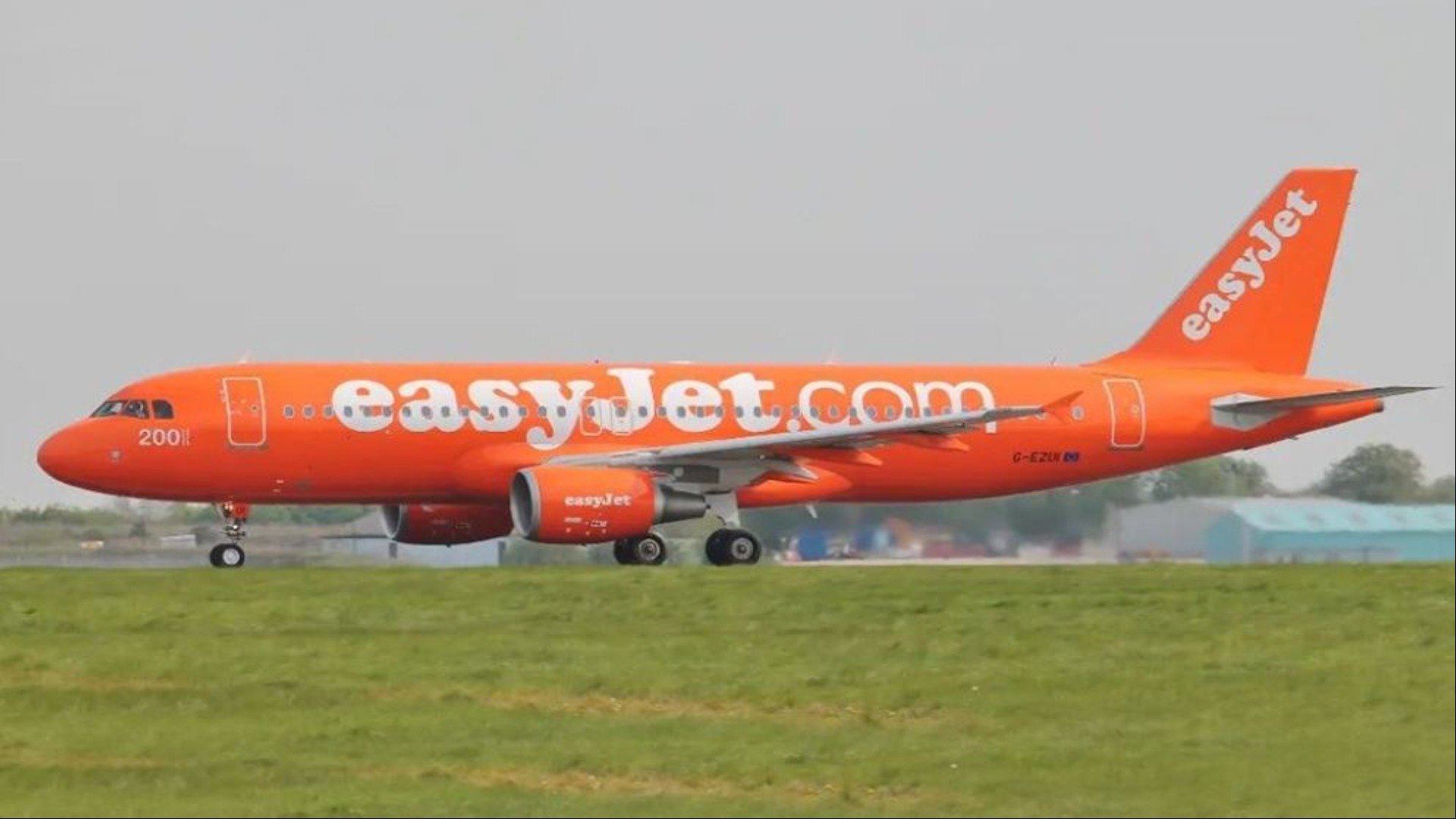
- easyJet stock had been on an uptrend since mid-May, with investors buying into news of an acquisition bid by Castlelake
- The resumption of fighting between Israel and Iran has shaken global oil markets and will squeeze margins for airlines amid summer travel
- Castlelake has until June 26 to place an official bid, and easyJet share price could be disrupted in the leadup to that deadline
After climbing approximately 24% over the past month and reaching 14-week highs last Friday, easyJet stock opened Monday on the back foot, declining roughly 3%. This drop occurred amidst wider market turbulence influenced by geopolitical tensions in the Middle East. To what extent is the development likely to disrupt the recent bullish momentum?
Geopolitics Reverses Acquisition Gains
easyJet stock’s recent rally started in late May and early June 2026. That’s when U.S. investment firm Castlelake announced it was considering a takeover offer. Castlelake already owned about 2.14% of easyJet’s shares. The firm said any bid would value the company at roughly £3.06 billion (about $4.12 billion) at minimum, a modest premium over prices then. This news sent shares up sharply on June 1 and in the following days.
Monday’s slide followed a severe breach of the Israel-Iran ceasefire, which had held since April. Over the weekend, Israel launched renewed strikes in Lebanon and Iran acted by firing a barrage of missiles at Israel. By Monday morning, the situation escalated dramatically.
Airline profitability is directly tied to jet fuel prices, which mirror crude oil costs. The ongoing conflict has severely impacted global energy transit. Should the war escalate further and target additional energy infrastructure, oil prices could return to their previous highs of $126 per barrel. For budget airlines such as easyJet, prolonged high oil prices significantly pressure profit margins.
While easyJet primarily flies European routes rather than directly over the Middle East, the ripple effects are significant. Iran has already closed the airspace around Tehran’s main international airport. As global flight paths reroute to bypass conflict zones, European airspace experiences increased congestion, contributing to delays and higher operational expenses.
Furthermore, when war dominates the news cycle, discretionary leisure travel often takes a psychological hit. This slows down summer bookings.

What Next?
The June 26 takeover deadline is approaching, but the market dynamics have shifted. Any potential bidder must now consider that fuel costs, even if they stabilize, will remain elevated for an extended period. While bookings remain strong, consumer demand will squeeze airline profit margins. Airlines will have to absorb costs or pass them on through higher fares.
Until the Middle East tensions genuinely ease and supply chains normalize, the aviation sector will remain a challenging investment terrain, regardless of ownership structure.
More broadly, The International Air Transport Association, on June 7, nearly halved its 2026 profit forecast for global airlines. They now forecat a combined net profit of $23 billion, a sharp drop from the $41 billion projected earlier. This revised outlook underscores significant structural headwinds that any takeover announcement does not address.
The drop was triggered by a sudden weekend escalation in the Middle East, ending a temporary ceasefire and sparking global market anxiety.
The fighting has pushed crude oil prices higher, directly increasing the cost of jet fuel and disrupting flight routes, which heavily reduces airline profit margins.
Key focus areas include Castlelake’s June 26 bid deadline, conflict updates impacting fuel and travel, and easyJet’s summer booking performance.