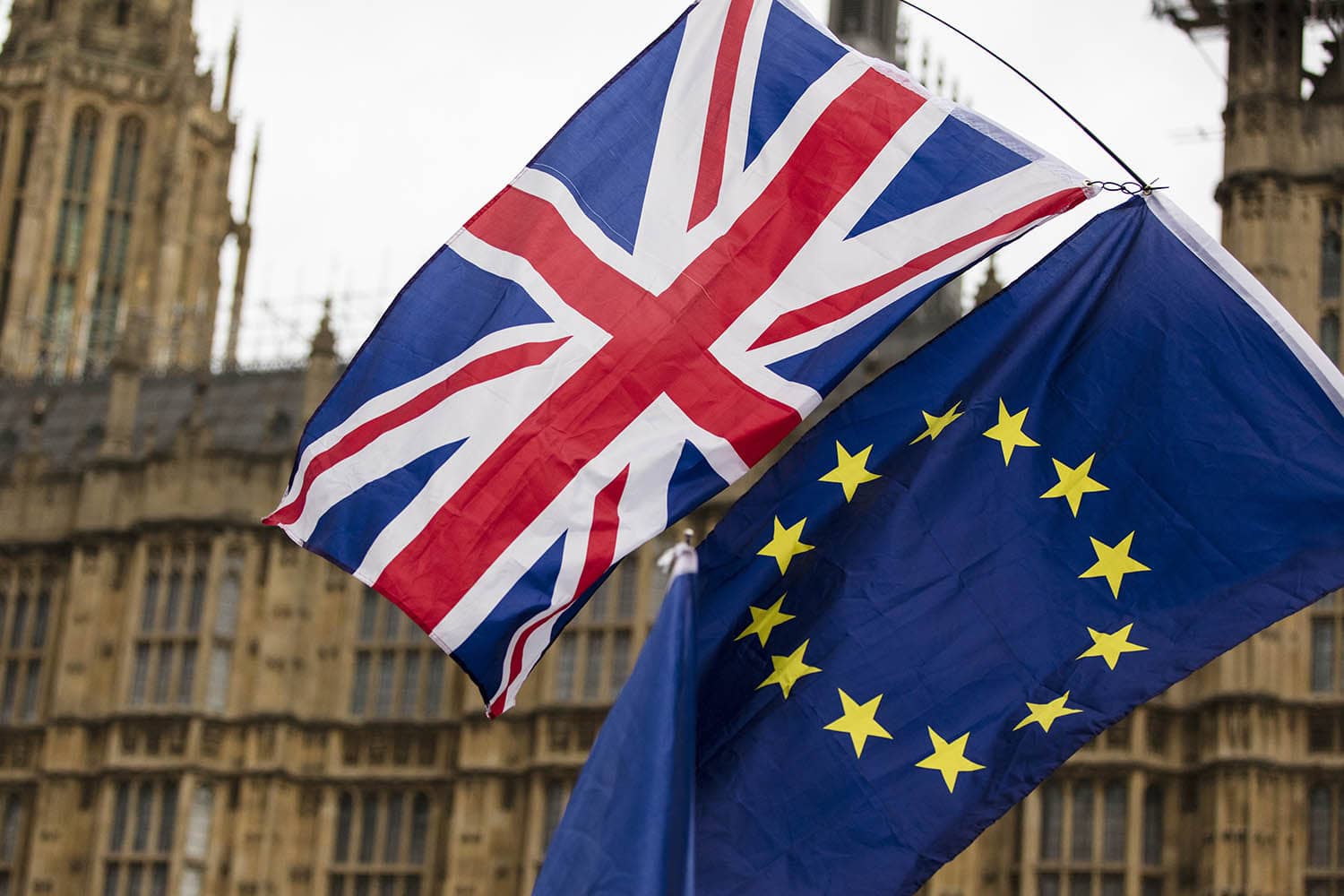
- GBP/EUR has staged a resilient comeback, reclaiming the 1.1500 level after sliding to two-week lows below 1.1450 earlier in the week.
- Sterling’s rebound is largely driven by a cooling of the immediate leadership crisis surrounding PM Keir Starmer, who received crucial cabinet backing.
Sterling Reclaims 1.1500 Handle as Starmer “Avoids Exit”
The British Pound has successfully pivoted from its recent lows, climbing back to 1.1501 during the Wednesday New York session. This marks a notable recovery from the technical floor of 1.1450 hit on Monday. The primary catalyst for this “relief rally” is the stabilization of the UK political landscape. While the resignation of high-profile aides last weekend initially stoked fears of a leadership challenge, the Pound rallied after Starmer received the public support of his cabinet.
The stabilization of the UK government has also led to a sharp pullback in UK bond yields. The 10-year Gilt yield, which had flirted with 2026 highs near 4.54%, has eased, reducing the immediate “political risk premium” that had been weighing on Sterling. However, analysts at MUFG warn that this recovery may be built on shaky foundations, maintaining a long-term year-end target for GBP/EUR as low as 1.11 due to persistent fundamental weaknesses.
BoE Divergence: The March Rate Cut Looming Large
While politics have provided a temporary floor, the Bank of England’s shifting policy remains the biggest hurdle for Sterling bulls. The BoE recently held interest rates at 3.75% in an unexpectedly tight 5–4 vote, which signaled that the door is “wide open” for a cut at the next meeting in March. Four members of the nine-strong committee already voted for an immediate cut, citing increased confidence that inflation will hit the 2% target by spring.
This dovish pivot puts the Pound at a disadvantage against the Euro. The European Central Bank (ECB) has indicated it is in no rush to lower borrowing costs, even with inflation running slightly below their own target. This policy divergence, a BoE preparing to cut while the ECB remains on hold, suggests that GBP/EUR gains may be limited to the 1.1550–1.1600 range in the near term.
GBP/EUR Technical Analysis
The technical picture for GBP/EUR shows a pair struggling to regain its long-term bullish momentum:

- Immediate Resistance (1.1535): This level represents the recent 5-month high. A sustained break above this is needed to target the 1.1600 handle.
- Key Support (1.1430): Identified by ING as the critical “must-hold” level. A breach here would expose the 1.1360 zone if political turmoil returns.
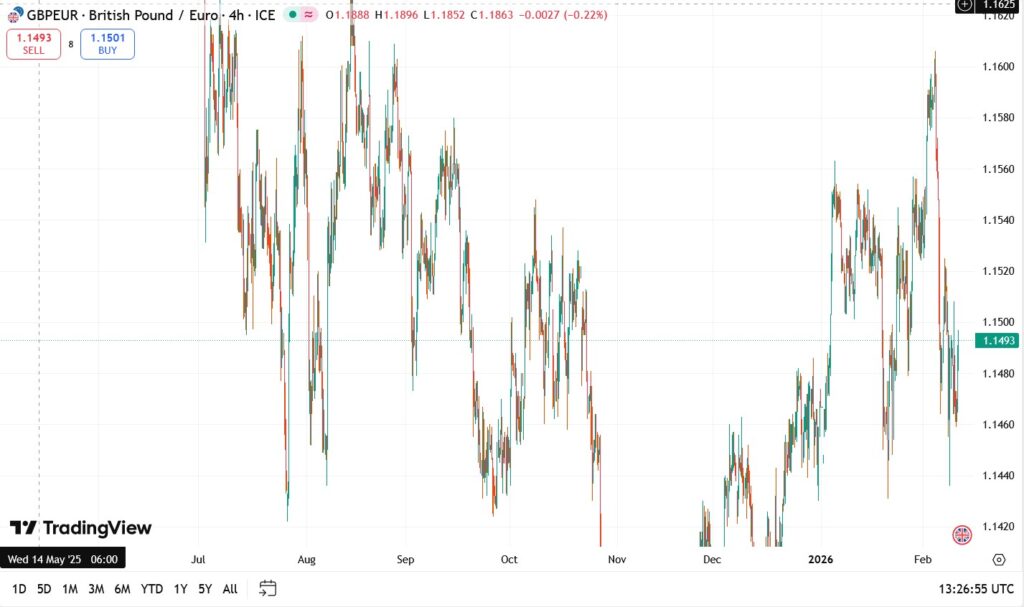
The RSI is currently hovering near 50, indicating a neutral market that is waiting for Thursday’s UK GDP release and Friday’s US CPI data for a new directional cue.
Conclusion: A Fragile Truce in Westminster
Sterling is currently enjoying a “political ceasefire,” but the road ahead remains volatile. With by-elections in late February and local elections in May, the “Starmer risk” has merely been delayed, not deleted. Combined with the growing likelihood of a March rate cut from the BoE, the path of least resistance for GBP/EUR may still be toward the downside once the current relief rally exhausts itself.
The Pound is recovering because immediate fears of a leadership challenge against PM Keir Starmer have subsided, leading to a stabilization in UK Gilt markets.
Market expectations for a March cut have surged following a tight 5–4 vote at the last BoE meeting, with several committee members signaling readiness to ease policy.
The BoE expects inflation to hit its 2% target by spring, which is the primary driver behind the shift toward earlier interest rate cuts.