


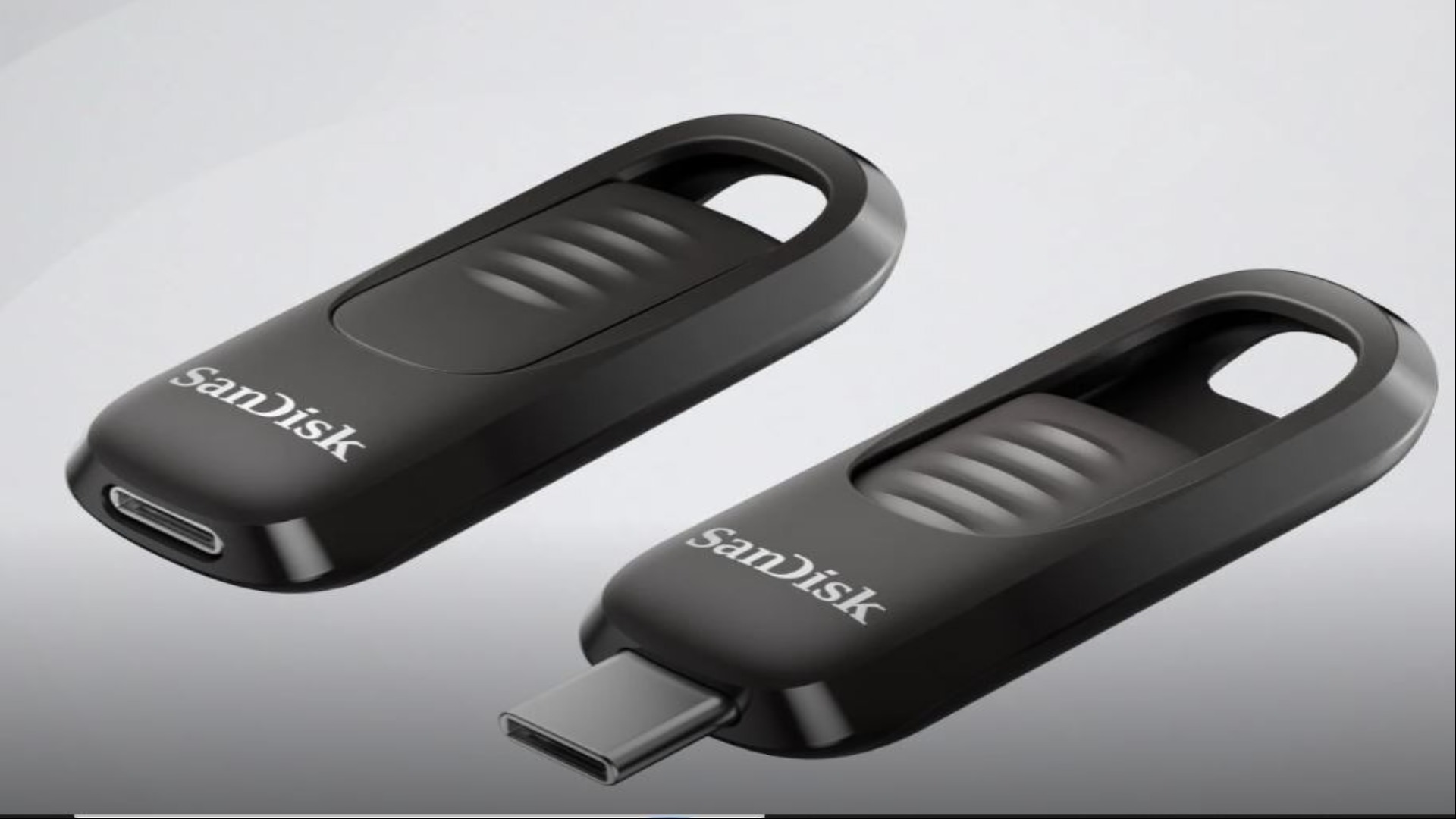
- SanDisk stock surged over 600% YTD but dropped nearly 20% due to a South Korean semiconductor sell-off sparked by Meta supply fears.
- The broader global decline was aggravated by an antitrust pricing lawsuit targeting major memory chip manufacturers in a California court.
- Despite short-term volatility, SanDisk projected strong outlook, backed by an institutional "Strong Buy" consensus.
SanDisk has had an incredible run in 2026, gaining over 600% in the first half. But that’s suddenly changed. In just the past five trading sessions, the stock lost nearly 20% of its value, with SNDK dropping 15.79% in one day as fears of a memory supply glut grew. It’s a sharp reversal for a company that had become one of Wall Street’s top AI plays, and it’s worth understanding why.
Why SanDisk Stock Is Falling
The recent selling pressure appears to be driven by market supply dynamics rather than a failure in SanDisk’s internal operations. Samsung and SK Hynix have announced capacity increases that could lower memory prices as supply meets current demand. Additionally, analysts expect capital expenditure on AI to peak in 2026 before slowing down.
No fundamental deterioration in SanDisk’s business appears to drive the selling. Recent earnings demonstrated strong revenue growth and margin expansion tied to AI tailwinds.
The South Korea Connection
Here’s where it gets interesting. The recent struggles of a major flash memory pioneer in California are best understood by looking at what happened in South Korea. Samsung and SK Hynix are more than just competitors in this space, but they act as indicators for the entire global memory market.
When Samsung shares dropped over 7% and SK Hynix fell more than 9% on July 2, billions in market value vanished. This sharp decline caused the KOSPI to plunge nearly 8%, with foreign investors net-selling more than 5 trillion won that day, as reported by Seoul Economic Daily.
Investor sentiment was further affected by reports that Meta Platforms might lease out its excess AI computing infrastructure. This raised concerns among institutional investors about whether major technology companies have overextended their data center investments. At the same time, a class-action lawsuit in California alleging price coordination among memory manufacturers has added to the cautious outlook for the sector.

Is It Time to Sell?
Whether now is the time to sell depends on who you ask. Some analysts remain quite positive, with Bank of America raised its SanDisk price target to $2,500 from $2,100, and Bernstein recently raising its price targets to $3,000, based on the belief that the current demand for NAND memory will last for several more years.
Others suggest caution, noting that AI-related stocks could see further significant drops before they become attractive buys again, primarily due to concerns over capital expenditures.
On the cautious side, analysts at Morningstar suggested that AI-related stocks might see further declines of 20 to 30% before reaching attractive entry points, citing concerns over future capital expenditure.
For those managing short-term risk after a 600% gain, reducing exposure may be a practical step. However, for investors focused on long-term AI infrastructure growth, SanDisk maintains a strong product pipeline and significant market visibility, which may support the business despite current market volatility.
Reports that Meta might lease excess computing power sparked deep fears regarding potential oversupply and excess capacity in AI infrastructure.
A California class-action antitrust lawsuit filed against major manufacturers alleged illegal coordination to restrict chip supply and inflate market prices.
Yes, fundamentals tied to AI infrastructure are intact, with ongoing innovation and strong earnings supporting long-term growth potential.