



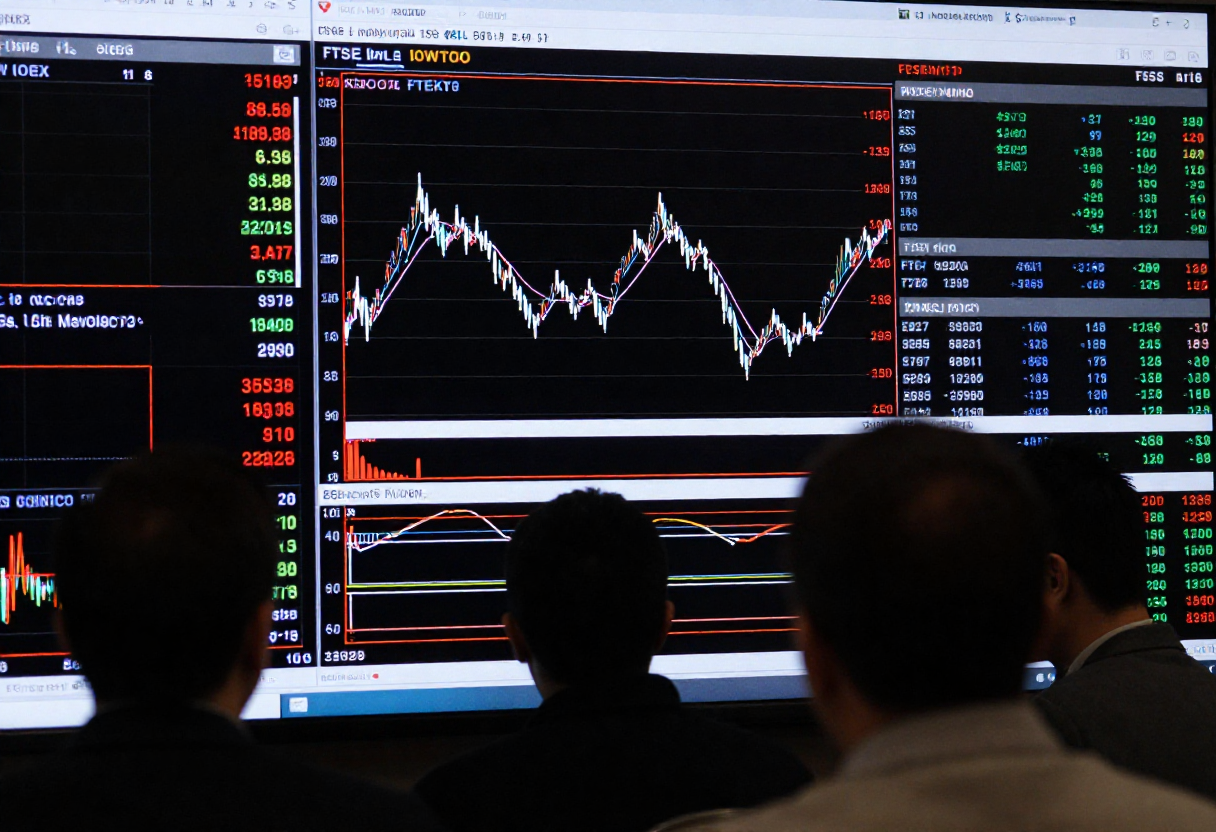
- US financial markets are closed for the Juneteenth holiday today
- Federal Open Market Committee (FOMC) voted unanimously to keep interest rates between 3.5% and 3.75% , but investors are paying closer attention to the dot plot
- Higher-for-longer interest rates combined with uncertainty around US-Iran peace negotiations add a bearish-leaning dynamic to the market
U.S. markets are closed today for Juneteenth, which gives investors a break after a week where the Federal Reserve changed its tone. While the Fed decided to keep interest rates between 3.5% and 3.75% as expected, their new economic projections have caused people to rethink where the market is headed. The committee was unanimous in keeping rates where they are for now, but the details in their report ended up being more important to investors than the decision itself.
The Dot Plot’s Hawkish Turn
The big news came from the dot plot, which shows where Fed officials expect rates to go. Most of the officials now see the interest rate hitting 3.8% by the end of 2026, which is higher than the 3.4% they predicted in March. This suggests they think at least one more rate hike will be necessary this year. This shift was a surprise to many who expected the Fed to be less aggressive.
The immediate market response reflected this shift. The S&P 500 declined by approximately 0.6%, while Treasury yields rose sharply as investors adjusted to the idea of rates staying higher for longer. The 2-year yield increased by more than 16 basis points to reach 4.216%, indicating that the bond market is quickly pricing in these revised expectations.
Understanding Today’s Market Dynamics
While domestic cash trading is offline today, global indicators suggest continued caution. The FTSE 100 has shown mixed performance, with mining and banking sectors experiencing some weakness. This follows the mid-June Federal Reserve meeting, where officials kept rates steady yet hinted at possible tightening later in the year, worried about ongoing inflation.
Geopolitical factors contribute significantly. The trajectory of negotiations between the U.S. and Iran have influenced oil prices, and while there was some brief relief, the uncertainty is keeping energy costs high, which adds to inflation worries.
What Investors Should Consider Doing
For those managing a portfolio, the prospect of high interest rates for a longer period usually favors the financial sector and cash-heavy investments. Meanwhile, growth stocks and long-term bonds might feel more pressure. This calls for several considerations.
In such conditions, investors should avoid reactive decisions driven by short-term fluctuations. A practical approach involves focusing on fundamentals rather than reacting to daily price swings. Companies with strong balance sheets, consistent cash flow, and the ability to maintain margins despite rising costs typically show more resilience during these cycles. Diversification across different sectors and geographies remains a standard method for managing risk.
It is helpful to review your investments regularly, but trying to time the market is difficult. Investing a set amount at regular intervals can be a good way to handle price drops. If you are investing for the long term, current price levels might be a good starting point, provided they fit your personal financial goals.
Regularly reviewing asset allocations is helpful, but attempting to time the market based on policy shifts is often counterproductive. Professional advice tailored to personal circumstances can provide additional clarity.
U.S. markets are closed for Juneteenth, with futures softer amid Fed rate hike signals and lingering Iran-related uncertainties.
Hawkish projections for possible late-2026 rate hikes have raised yields and tempered investor enthusiasm after recent gains.
No. While bonds offer better yields, rising rates pressure existing bond values. Diversification across stocks, bonds and asset classes remains prudent despite policy uncertainty ahead.