


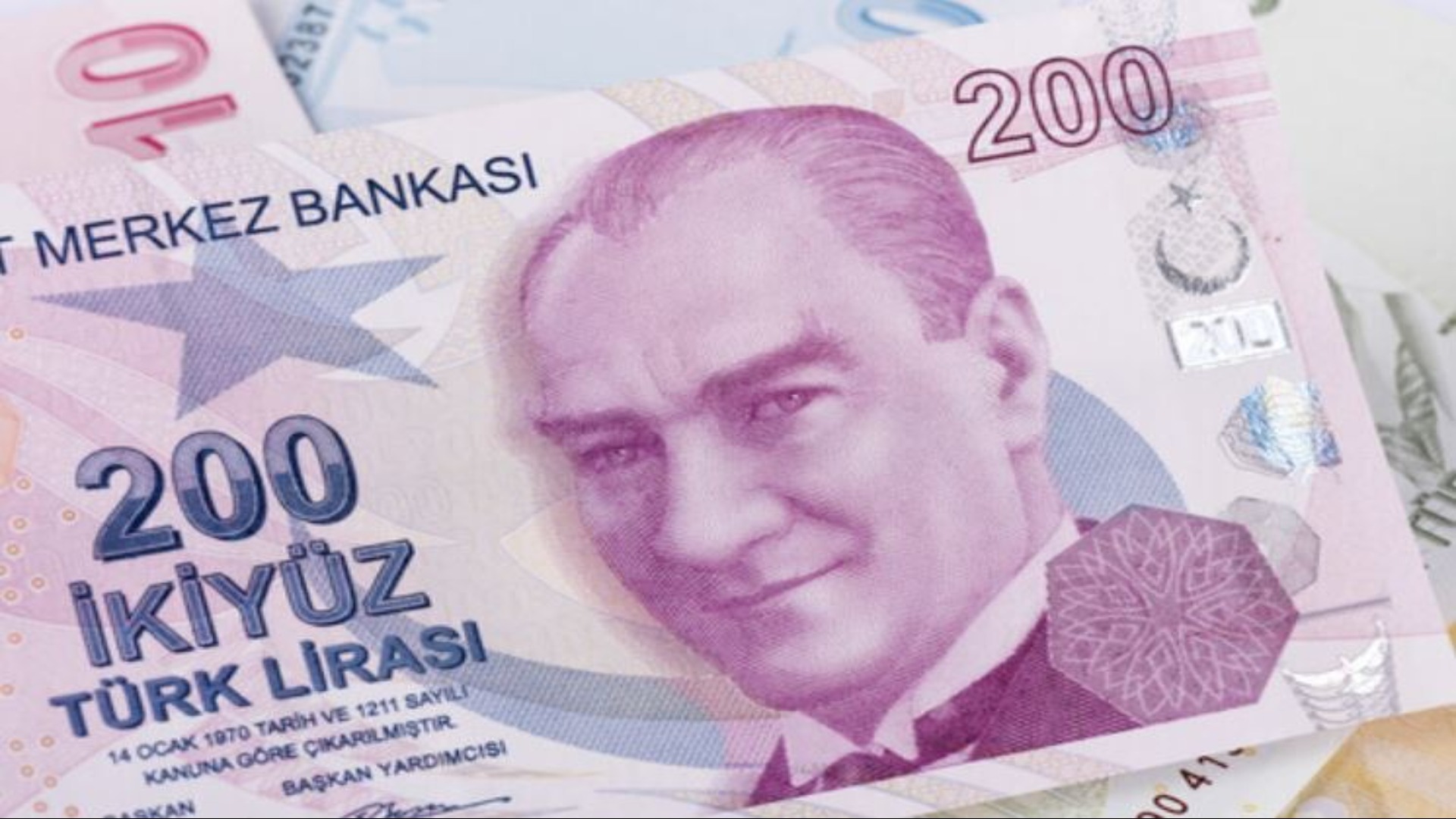
- The Central Bank of the Republic of Türkiye has maintained a loose monetary policy, likely to last through 2026
- There are signs that inflation has come under control and the government is looking at export advantages
- A recent minimum wage hike by the government could make inflation sticky in the next year
The Turkish Lira (TRY) is wrapping up 2025 in a situation that’s become all too familiar. In late December, it hit a new low near 42.90 per US dollar, underlining another year of double-digit losses. While the currency isn’t crashing like it did before, economists say its steady fall is still hurting Turkish families and making it hard to believe in an economic turnaround.
The Lira’s Controlled Performance in 2025
Persistent inflation and economic vulnerabilities have fueled the lira’s slide. Trading Economics reports that the currency’s gradual depreciation stems from political uncertainties and investor sentiment concerns, with inflation projected to end 2025 at 31%.
Unlike the wild crashes of 2021, the Central Bank of the Republic of Türkiye (CBRT) is now carefully managing the Lira’s decline. Trading Economics and ING Think say the CBRT is trying to make the Lira stronger. They’re letting it lose value, about 18–20% in 2025, but making sure it falls slower than inflation, which dropped to around 31% in November.
By doing this, the Lira gets stronger in terms of what it can buy compared to global prices. This helps lower the cost of imported goods without worrying exporters. Bloomberg says the bank is sticking to its 16% inflation goal for the end of 2026, showing it wants stability without big changes. It looks like the CBRT won’t stop its controlled depreciation plan anytime soon.

Lira Outlook for 2026 and Beyond
Looking ahead, the Lira will likely face more challenges. ING Think says the exchange rate will continue to be flexible, and policies will stay tight. It doesn’t seem like the Lira will be able to float freely without a lot of help from outside. The CBRT probably won’t let go and allow the exchange rate to move on its own just yet. This suggests the bank is sure inflation is dropping but doesn’t want to hurt economic growth either.
Until inflation is in the single digits, they’ll keep a close watch on the currency. A big challenge for 2026 is the recent 27% increase in the minimum wage, setting net pay at 28,075 Lira. While this is meant to help workers, it could cause a wage-price spiral. If businesses pass these costs on to consumers, inflation could stay high, forcing the Lira to keep falling.
The drop is mostly planned and managed. Turkey’s inflation (about 31%) is way higher than in the U.S., so the Lira has to drop in value so Turkish exports can stay competitive. The central bank only steps in to make sure this happens slowly, not in sudden, messy crashes.
Probably not. The CBRT is using its $150+ billion in reserves to manage the Lira as part of its plan to lower inflation. Letting the currency float freely now could cause a crazy spike that would start inflation up again and ruin the progress made in 2025.
It might not level out until mid-2026, and forecasts show it will keep dropping to 51.99 USD/TRY by the end of the year. Things could slow down sooner if there are big changes to the system and lower inflation.