


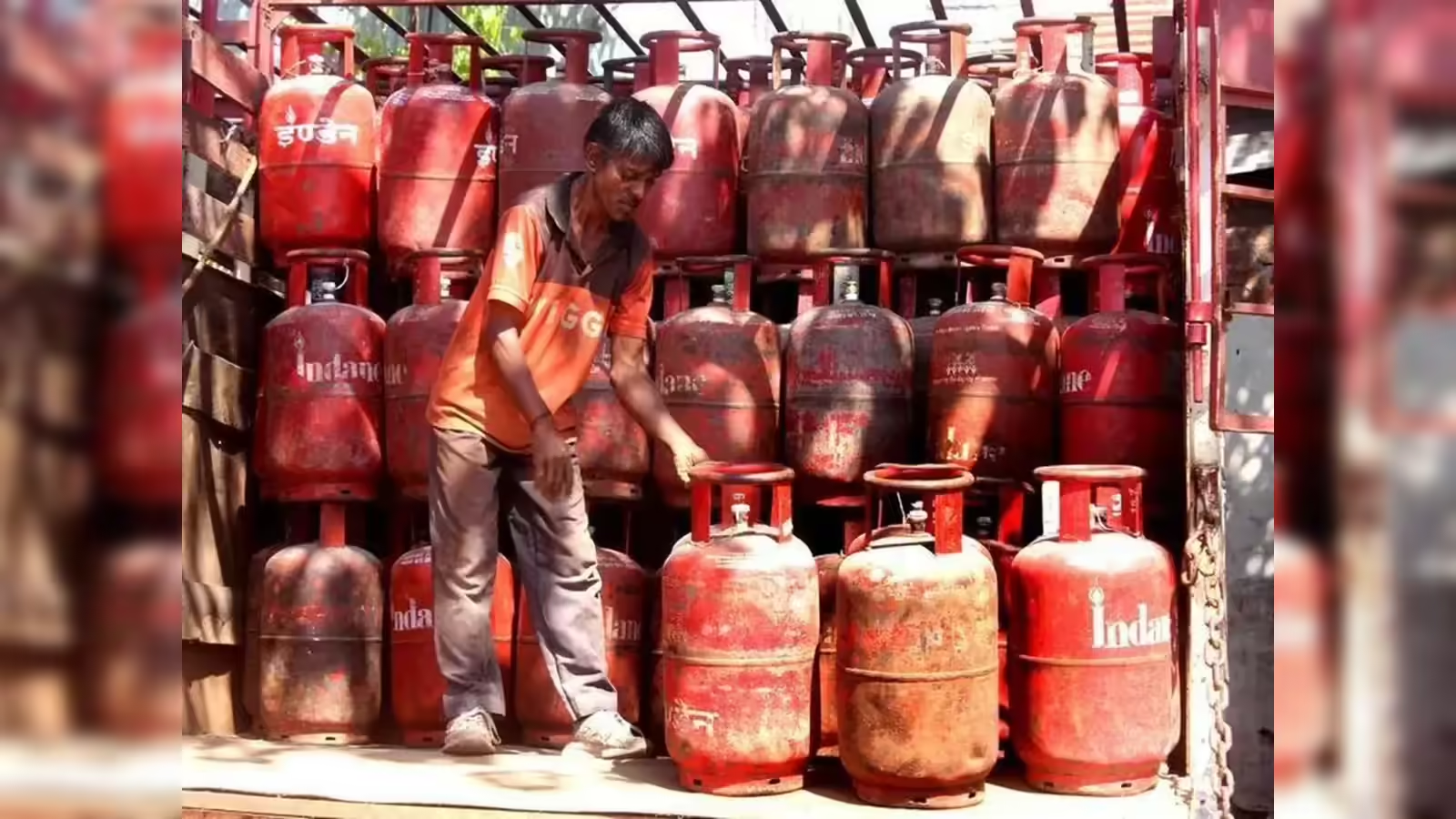
- India is navigating an LPG gas cylinder shortage caused by the Iran-US-Israel conflict, which has severely disrupted energy shipments through the critical Strait of Hormuz.
- Domestic LPG cylinder prices increased by ₹60 on March 7, 2026, while commercial rates surged by ₹144, pushing Bihar’s domestic price past the ₹1,002 mark.
- Indian government has invoked the Essential Commodities Act, prioritizing household LPG supply and implementing a mandatory 25-day inter-booking period to prevent hoarding.
India’s energy landscape is currently facing a “perfect storm.” As of March 11, 2026, millions of households and businesses are grappling with a severe shortage of Liquefied Petroleum Gas (LPG) fueled by a sharp rise in demand and unprecedented supply constraints.
Oil marketing companies have raised the price of the 14.2 kg domestic LPG cylinder by ₹60 and the 19 kg commercial cylinder by ₹144 across the country, with revised rates effective from March 7, 2026.
From these sudden price hikes to the invocation of emergency laws, the “Black Horse” of the Indian kitchen is under immense pressure as the government moves to prioritize household supply while effectively halting commercial distribution.
Why India is facing an LPG gas cylinder supply shortage Amid the Strait of Hormuz Crisis
The current disruption is the result of a geopolitical “black swan” event. Following the escalation of the Iran-US-Israel conflict, the Strait of Hormuz, a chokepoint for 20% of global energy, is effectively blocked, stalling critical shipments from Qatar’s Ras Laffan facility.
- Supply chain break: Qatar provides nearly 40% of India’s LNG and a significant portion of its LPG requirements. Retaliatory strikes have caused a massive bottleneck in these imports.
- Surging demand: Domestic consumption has spiked seasonally, leading to logistical disruptions as distributors struggle to keep pace with “panic bookings.”
- Cost pressure: Asian spot LNG prices have surged from $10.5/mmbtu to over $25/mmbtu, directly inflating the cost of landed gas in India.
Domestic LPG prices (14.2 kg) in major Indian cities
| City | Domestic LPG (14.2 kg) | Change since March 7 | Commercial LPG (19 kg) | Change since March 7 |
| New Delhi | ₹913.00 | + ₹60 | ₹1,884.50 | + ₹144 |
| Mumbai | ₹912.50 | + ₹60 | ₹1,836.00 | + ₹144 |
| Kolkata | ₹939.00 | + ₹60 | ₹1,988.50 | + ₹144 |
| Chennai | ₹928.50 | + ₹60 | ₹2,043.50 | + ₹144 |
| Patna | ₹1,002.50 | + ₹60 | ₹2,133.50 | + ₹144 |
Indian government invokes essential commodities act to manage LPG shortage
To manage the shortage, the Ministry of Petroleum and Natural Gas has invoked the Essential Commodities Act (EC Act). This allows the government to strictly monitor stocks and prevent hoarding during this temporary crunch.
Key emergency measures include:

- Supply Prioritization: Refineries have been directed to maximize LPG production for household consumption. Consequently, supply to restaurants and hotels has been temporarily suspended in many regions.
- The 25-Day Booking Rule: To curb panic buying, a mandatory 25-day gap between refills has been implemented. This ensures that the available stock is distributed equitably rather than being hoarded.
- Refinery Realignment: Essential sectors like fertilizer plants are receiving 70% of their gas requirements, while domestic piped natural gas (PNG) and CNG for transport are being maintained at up to 100% supply.
India gas supply disruption forces restaurants and hotels to scale back operations
The Bangalore Hotels Association and other industry bodies have warned that the halt in commercial supply could lead to the closure of many eateries. Currently, commercial cylinders are only being issued to essential services such as hospitals and educational institutions. The National Restaurants Association of India has noted that inconsistent supply is already disrupting operations in Chennai, Kolkata, and Bengaluru.
Outlook: Is the Indian LPG supply shortage permanent?
Government sources insist the situation is being managed. India has entered this disruption better prepared than in previous years, currently sourcing 70% of its crude oil from non-Strait of Hormuz sources like Russia and Africa.
“Indian refineries are running at full capacity,” a government source confirmed, adding that fresh consignments of LPG and LNG are expected soon to stabilize the domestic market. While the “War Premium” continues to keep global prices volatile, the domestic supply chain is expected to recover as new shipping routes are finalized.
FAQs on LPG shortage in India
Qatar is the primary supplier, accounting for nearly 35-40% of India’s LNG/LPG imports. However, due to the current regional conflict, India has diversified its supply chain to include more shipments from Russia, the United Arab Emirates, and West African exporters to bypass the blocked Strait of Hormuz.
The 2026 LPG crisis refers to the simultaneous price hike and supply crunch affecting millions of Indian households and businesses. Domestic prices rose by ₹60 and commercial prices by ₹144 on March 7, leading to government-mandated rationing, such as the 25-day inter-booking rule, and a temporary halt of supplies to the hospitality sector to prioritize home kitchens.
India imports approximately 60% of its LPG, with a significant portion traditionally sourced from Middle Eastern nations like Qatar. To mitigate current risks, India is increasingly sourcing crude and gas from non-Hormuz routes