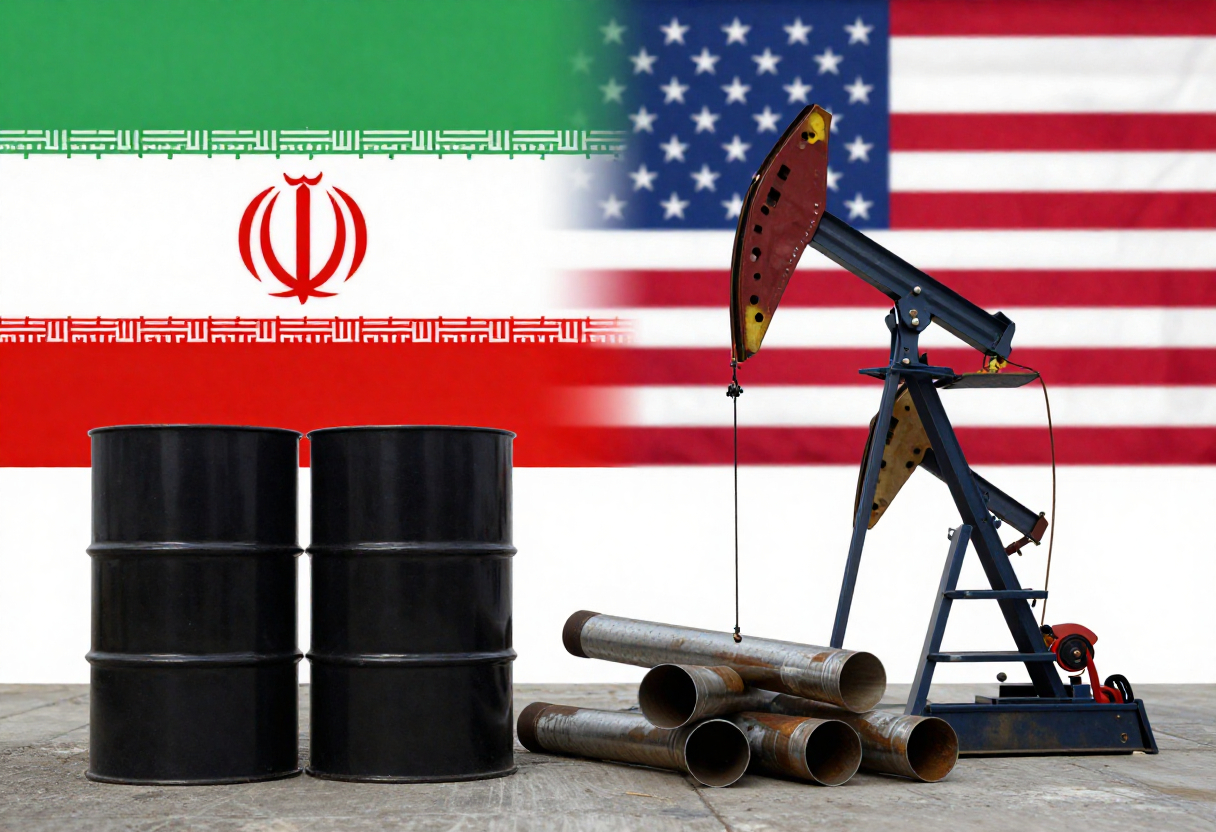
- Oil prices remain supported by strong geopolitical risks, particularly escalating US-Iran tensions that threaten supply disruptions.
- Technically, Brent crude oil stays in an overall uptrend, with key support near $91 and resistance around $102–$119 shaping the next move.
Brent crude oil opened lower by 1.87% as of Monday at 13:58 GMT+2. However, the price climbed and peaked higher by 4.31% on Tuesday, trading around $97.85. This move came in response to strikes carried out by the administration of US President Donald Trump on key Iranian oil export facilities on Kharg Island. Apart from that, traders are closely watching the release of the American Petroleum Institute report later on Tuesday.
US President Donald Trump said on Monday that Washington is discussing with allies the possibility of securing the Strait of Hormuz, one of the world’s most critical oil shipping routes. Trump added that Israel is coordinating with the United States to help ensure safe passage through the waterway.
The comments came after the United States carried out strikes on Iran’s key oil facility on Kharg Island. This raised concerns about potential disruptions to the global crude supply. Growing geopolitical risks have heightened fears of tighter supply, helping push up global crude oil prices.
Brent Crude Oil Price Technical Outlook:
The chart shows that Brent crude oil has a strong bullish trend that began after a long consolidation phase earlier in the year. For several weeks, prices moved sideways between $58 and $64. The price action formed a base before a decisive breakout triggered a sharp rally. This breakout led to a rapid surge, pushing prices to a peak near $119.58. This indicates strong buying momentum driven by supply concerns and geopolitical risks.

After reaching this peak, the market experienced a sharp correction, with prices falling back toward the $91–$92 support area. This level has since acted as a key support zone where buyers stepped back into the market. Currently, the price is consolidating between $91.69 and $102.08, suggesting the market is stabilizing after the previous volatility.
The short-term moving averages remain above the longer-term average, indicating that the overall bullish structure is still intact. As long as the price holds above $91.69, the upward trend may continue, with the next resistance around $102.08, followed by the major resistance at $119.58.
The RSI is hovering near 58, reflecting neutral-to-bullish momentum. This suggests there is still room for further upside before the market becomes overbought. Overall, the chart indicates that Brent crude remains in a broader uptrend but is currently consolidating after a sharp rally, with $91.69 as key support and $102.08 as immediate resistance.

Due to the conflict threatening oil supply in the Middle East, especially near the Strait of Hormuz, a critical shipping route through which about 20% of the world’s oil supply passes. Any disruption or attack in the area can quickly push crude prices higher.
Yes. Escalating military strikes, attacks on energy infrastructure, or prolonged disruption to oil exports, such as those linked to Iran’s key hub on Kharg Island, could tighten global supply and drive prices higher.