
- Milky Mist's IPO was fully subscribed by Day 2, driven by retail demand and a listing premium near 17%
- Focusing on high-margin value-added products boosted the company’s revenue to ₹3,145 crore. However, its ₹140 upper price band reflects an 85x P/E valuation, which is a concern
- Ahead of listing, investors should monitor how fresh capital reduces debt, alongside improvements in capacity utilization and internal audit controls
Milky Mist Dairy Food’s IPO, worth ₹1,553 crore, was fully subscribed on the second day. Bidding exceeded the number of shares offered by August 12. By the afternoon, more bids came in, with retail investors alone oversubscribing their portion by 1.28 times. The grey market premium was also around 17% above the higher end of the price range.
Growth Story and Business Model
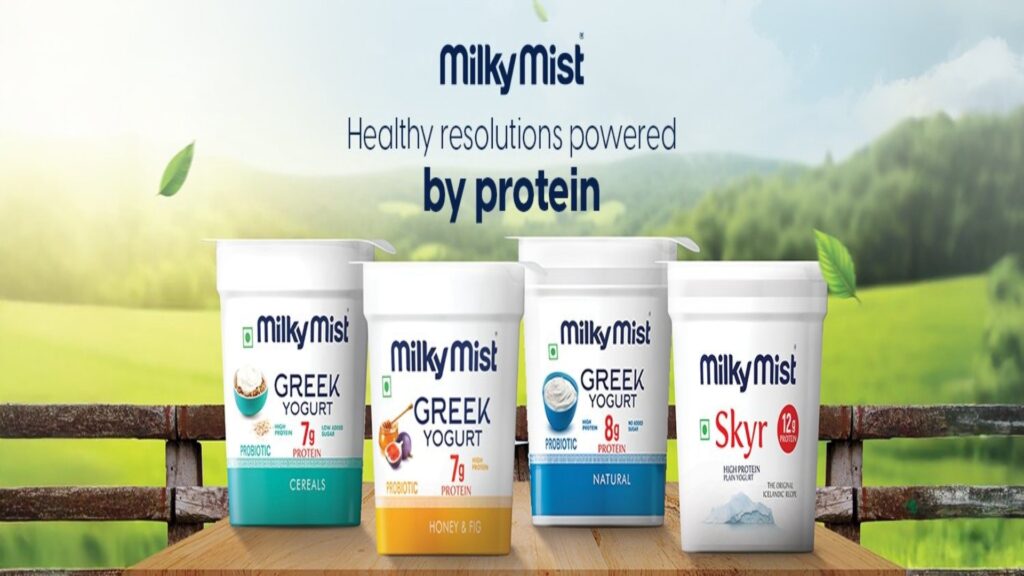
Milky Mist concentrates on high-value dairy items like paneer, cheese, curd, yogurt, ice cream, ghee, and butter, rather than just liquid milk. This strategy allows them to achieve better prices and margins, placing them closer to FMCG companies than traditional dairy businesses.
The company’s revenue rose from ₹1,822 crore in FY24 to ₹2,350 crore in FY25 and ₹3,138 crore in FY26, showing an average annual growth of about 31%. Profit after tax also saw a significant jump, from ₹19 crore to ₹46 crore, and then to ₹127 crore during the same period. EBITDA margins improved to approximately 13.7-13.9%.
Valuation Is An Underlying Concern
Despite strong operational results, the company’s valuation suggests investors are paying a high price. According to Value Research, the top price of ₹140 values Milky Mist at about 85 times its reported FY2026 earnings. If you remove a one-time tax credit from a previous year that increased net profit by 19%, the actual price-to-earnings ratio climbs to nearly 105 times.
Besides the valuation, it’s important to look at concentration risk. Almost 69% of FY26 revenue came from South India, and over 94% of the raw milk used is sourced from Tamil Nadu. There is a facility under construction in Maharashtra that should help to address this issue as it is expected to contribute almost 79% to the fresh issuance. However, the downside to it is that it opens in December 2029 and requires borrowing in the meantime.
What to Watch Ahead of Listing
Grey market premiums performance so far suggest an expectation for a positive listing day, though these figures are unofficial and subject to change. Share allotment is anticipated shortly after bidding closes, with the listing tentatively scheduled for around August 18, 2026.
Grey market premium and subscription numbers make for exciting headlines, but they say more about listing-day sentiment than about the business three years from now.
Investors should monitor subsequent financial reports for confirmation that debt reduction is leading to improved net margins and that new capacity is being utilized effectively.
Key areas to track include milk procurement costs, the regional breakdown of revenue, and any effects of competition or regulatory shifts in the dairy sector. Contingent liabilities and the intensity of working capital requirements also warrant attention.
Robust institutional demand, solid revenue growth of around 31% CAGR, and rising profits in the value-added dairy segment drove the oversubscription.
The post-issue PE of roughly 85 times FY26 earnings is significantly higher than most listed dairy peers, leaving limited margin for error.
Yes, the company has been returning profits and increasingly so. Its Profit After Tax nearly tripled to ₹127 crore in FY26 from ₹46 crore in FY25, with higher-margin, thanks to value-added dairy products like paneer and cheese.