

- Maritime shipping and midstream energy plays are generating record free cash flow, due to ongoing global supply disruptions and elevated oil prices, offering double-digit, inflation-beating yields like DHT and NAT.
- Persistent inflationary pressures have temporarily discounted high-quality retail and healthcare blue chips like Best Buy and Pfizer, creating rare entry windows for investors to lock in highly secure 6%+ dividend yields.
The best dividend stocks in 2026 fall into two major categories. On one side are high-yield dividend stocks benefiting from elevated energy prices and persistent inflationary conditions, which are attracting income-focused investors seeking stronger cash returns.
On the other side are dividend aristocrats and dividend kings, which remain popular among defensive investors seeking stable income streams and capital preservation during periods of heightened market volatility.
Sticky inflation and high bond yields are weighing on equities, but institutional picks from Morningstar and major market desks are heavily favoring sectors with free cash flows, such as energy, consumer defensive, and heavily discounted blue chips.
This article explores some of the best dividend stocks in 2026, including high-yield energy plays and value-focused blue chips.
Top High-Yield Midstream Energy Stocks to Watch in 2026
- DHT Holdings:
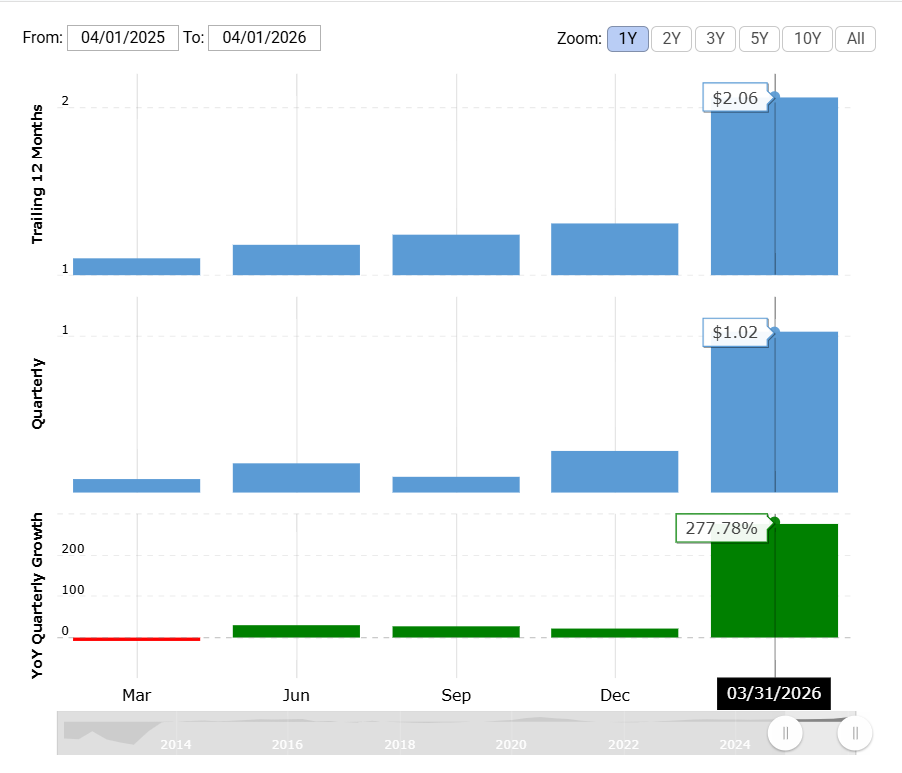
DHT is an independent crude oil tanker company. They have a fleet that trades internationally and consists of crude oil tankers in the very large crude carrier (VLCC) segment.- DHT Holdings reported strong Q1 2026 earnings with EPS of $1.02. This is nearly doubling forecasts, with total revenue reaching $157.2 million. These numbers beat analyst estimates by 13%. The company’s net income hit $164.5 million, and the company set its Q2 EPS guidance at $0.90.
- DHT’s dividend growth has been closely tied to the surge in global shipping and tanker charter rates, supported by the company’s policy of distributing 100% of its ordinary net income to shareholders through dividends.

- Nordic American Tankers NAT:
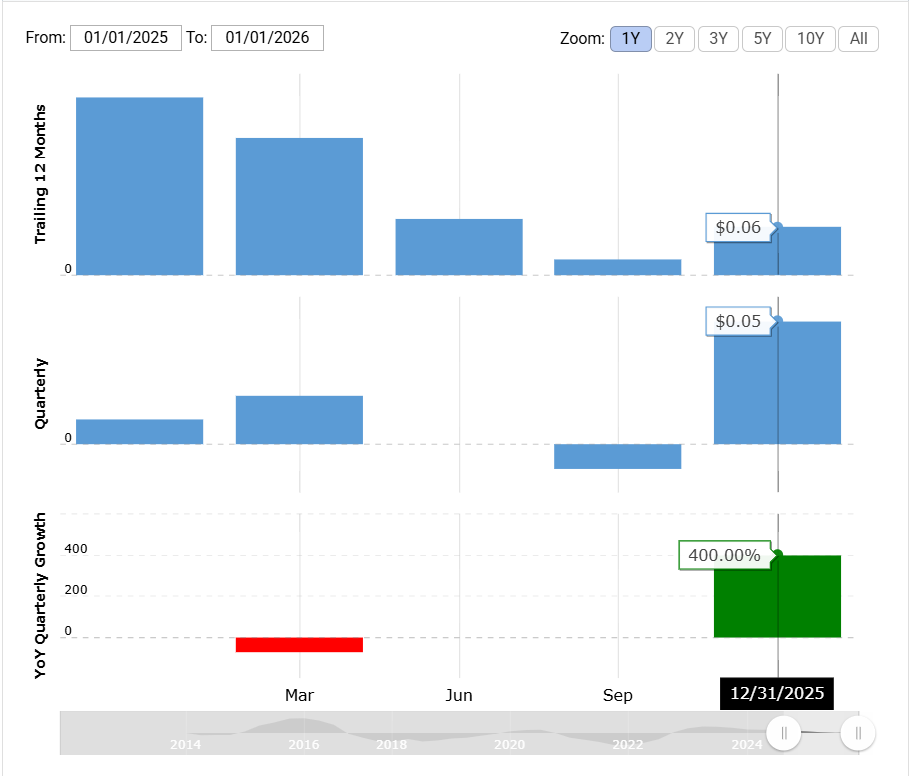
Nordic American Tankers is an international shipping company. NAT specializes in the global transportation of crude oil. It operates especially in the fleet of Suezmax crude oil tankers. The company is famous for its homogeneous fleet strategy and consistent dividend payments to shareholders.- Nat is expected to report its Q1 2026 earnings on May 27-28, 2026. The analysts are projecting an EPS of $0.19 and revenues of $81.86 million. In the last earnings report of Q4 2025, NAT posted an EPS of $0.06 on $58.76 million in revenue.
- Why watch NAT’s earnings closely?
NAT’s earnings are worth watching closely because the company continues to benefit from global trade fragmentation and geopolitical disruptions in shipping routes, factors that have kept tanker demand and charter rates elevated. With operating costs remaining relatively stable at around $9,000 per day while time-charter rates have frequently exceeded $41,000, the company has been able to significantly expand profitability and support stronger shareholder payouts.

Undervalued Blue Chips with High Yield and Strong Moats:
Some major pharmaceutical and retail blue-chip stocks have pulled back to levels below their estimated fair value, resulting in elevated dividend yields that are now screening as highly attractive for income-focused investors.
- Pfizer (PEE):
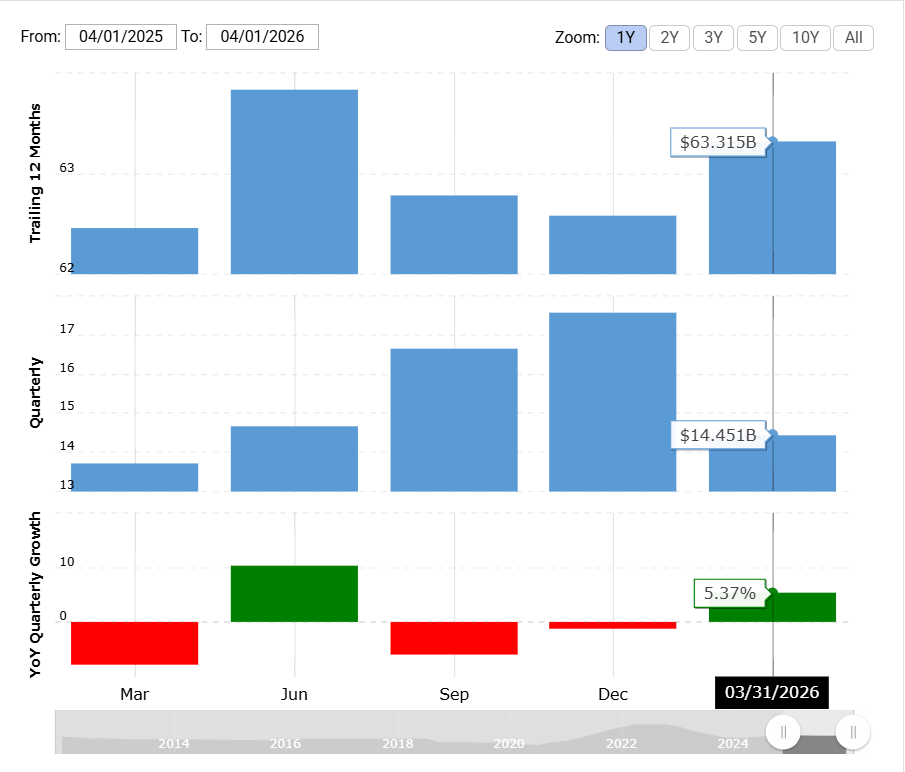
Pfizer’s first quarter 2026 earnings came with $0.75 adjusted EPS on $14.45 billion in revenue. These numbers beat Wall Street estimates. However, COVID-19 product revenues and patent expirations continue to decline. Excluding COVID products, Pfizer’s underlying business grew 7% operationally.- Apart from that, Pfizer trades at a notable 15% discount to its long-term fair value, however. Its midterm top-line growth faces headwinds from patent expirations. Its large and diversified drug portfolio generates consistently strong free cash flows, supporting a sustainably high payout.

- Best Buy Co. (BBY):
On March 3, 2026, BBY reported its fiscal fourth quarter and full-year 2026 earnings. The company reported a 0.39% year-over-year increase of $41.69 billion for full-year revenues and an adjusted full-year EPS of $6.43. The earnings report pointed to stronger profitability despite mixed consumer electronics demand.

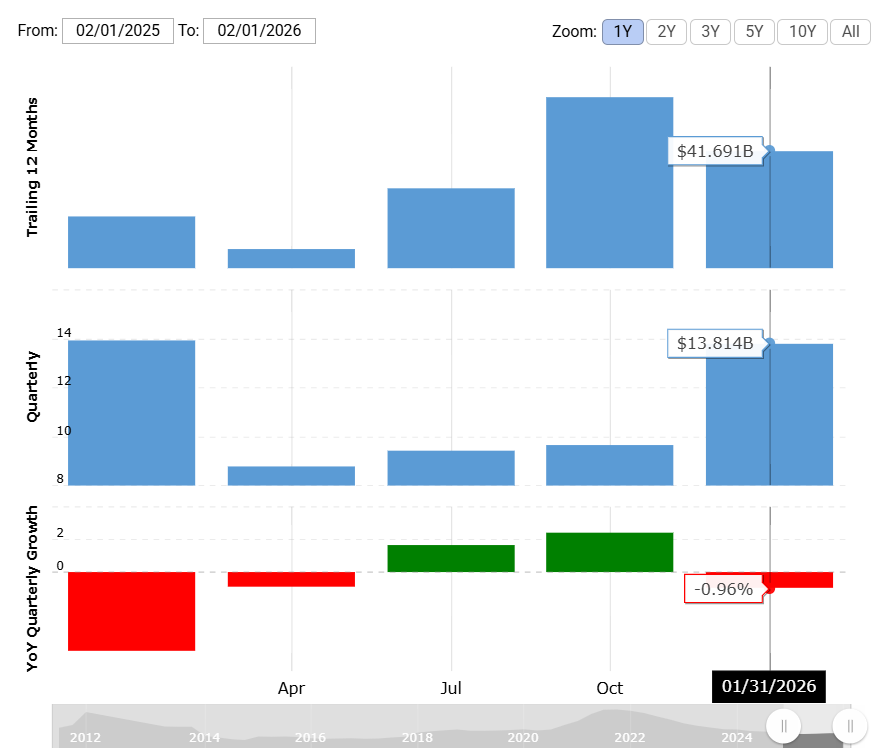
Investors are tracking Best Buy’s upcoming May 28 earnings call as a major health check on consumer discretionary spending. The market is watching if the aggressive operational cost-cutting measures are successfully defending its margins against sticky inflationary pressures, as the stock currently sits on a highly attractive 6.6% dividend yield.
Pfizer is trading at approximately a 15% discount to its Morningstar fair value estimate of $32, burdened by midterm revenue headwinds from upcoming patent expirations and a steep, structural decline in COVID-related product demand. But the steep discount is an opportunity for value investors to buy, given the safety of the company’s steady free cash flows and a hefty 6.6% dividend payout.