
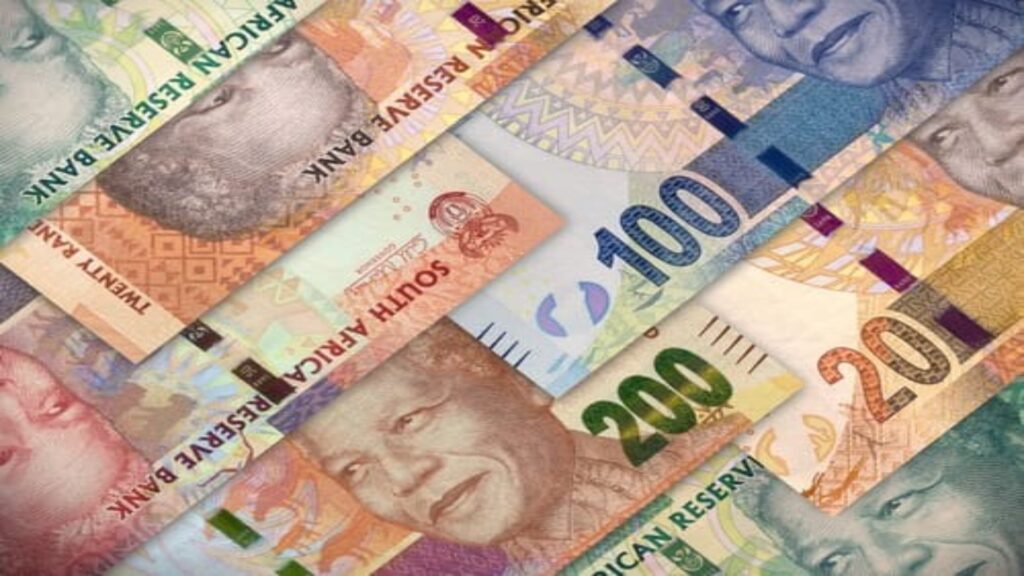
- Rebounding gold prices and rising domestic inflation expectations for SARB rate hikes fueled the rand's rally against the US dollar
- Near-term support for the rand depends on risk sentiment and commodities, while the medium-term outlook remains balanced and Fed-sensitive
- US jobs/inflation data, Fed rate signals, SA inflation prints, and Middle East diplomacy will drive the next major move
While everyone’s been focused on oil and what’s happening in the Middle East, the South African rand has actually been doing pretty well, even if it’s not the most exciting story. The USD/ZAR exchange rate has dropped over 1.1% in the past five trading sessions.
This continues a comeback that started around the end of July, when the rate hit a low of about 16.98, the weakest it had been in over three months. It’s not a big jump, but it’s been consistent. In currency trading, consistency often means several good things are happening at the same time.
Where Is the Rand Getting Its Strength?
The rand’s recent strength is attributed to a combination of favorable commodity prices and evolving domestic interest rate expectations. Increased global prices for key exports like gold and platinum group metals have improved South Africa’s trade balance and boosted demand for its currency.
The rand is also benefiting from the same trend that’s pushed oil prices down. As tensions between the US and Iran have eased and there’s more hope for a diplomatic solution regarding the Strait of Hormuz, falling oil prices have generally improved risk sentiment. Since South Africa is a net oil importer, lower oil prices directly help its import costs and its currency.
Meanwhile, the U.S. Federal Reserve is expected to keep a gradual easing bias into late 2026. This has narrowed the dollar’s interest rate advantage over high-yielding emerging market currencies.
But this isn’t just a borrowed rally. South Africa also posted its third consecutive primary budget surplus, hitting 1.1% of GDP for the year through March. This suggests fiscal discipline is taking hold.
Near-Term and Medium-Term Outlook for USD/ZAR
For the near term, the rand is expected to remain relatively strong, provided market sentiment stays positive and commodity prices remain firm. A consistent move below 16.30 could lead to further rand appreciation if U.S. economic data continues to underperform or if diplomatic progress reduces global uncertainties.
Conversely, any sharp rebound in the dollar on stronger US data or renewed geopolitical tension would quickly reverse recent rand strength.
Longer term, the picture looks more balanced. South Africa’s higher real interest rate differential still offers carry appeal, and ongoing structural reforms, coupled with commodity support, make for a positive environment.
Even so, the rand remains sensitive to Federal Reserve policy, global risk appetite, and domestic inflation developments.
Stronger gold and platinum prices, combined with expectations of upcoming South African Reserve Bank interest rate hikes, pushed USD/ZAR down sharply.
Moderating crude oil prices eased South Africa’s import bill and reduced domestic inflationary pressure, supporting broader sentiment for the local currency.
US economic data and Fed expectations, commodity prices especially precious metals, South African inflation and Reserve Bank signals, plus geopolitical developments.